For a game’s beginner guide, what’s one crucial actionable tip to prevent new player frustration?

Entering a new game world can be an exhilarating experience, but for many new players, it quickly devolves into frustration and abandonment. A common pitfall for beginner guides, despite their best intentions, is overwhelming new players with too much information too soon. The crucial question then becomes: what single, actionable tip can effectively cut through this noise and set new players on a positive path?

The Crucial Actionable Tip: Focus on One Foundational Element
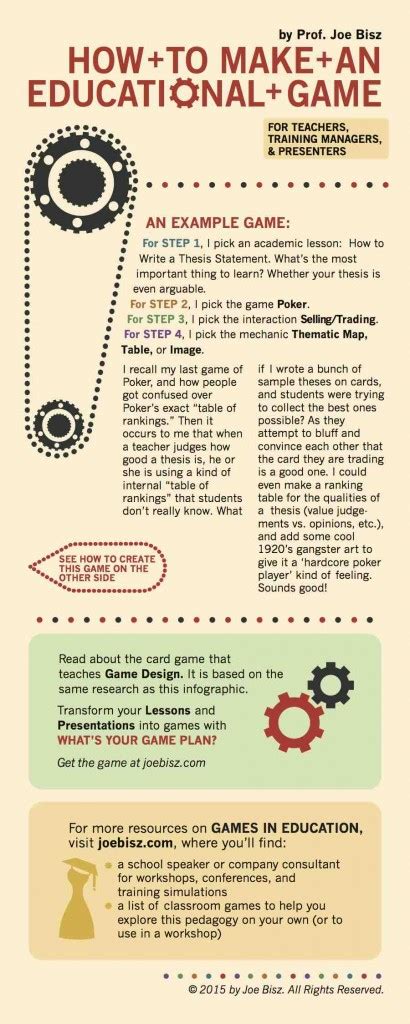
The most crucial actionable tip to prevent new player frustration is to **explicitly guide them through mastering *one* foundational mechanic or immediate objective before exploring anything else.** This means ruthless prioritization. Your guide should identify the absolute bare minimum a player needs to understand or achieve to feel competent and progress, then instruct them to ignore all other distractions until that single goal is met.

Why This Approach Eliminates Frustration
1. Reduces Information Overload
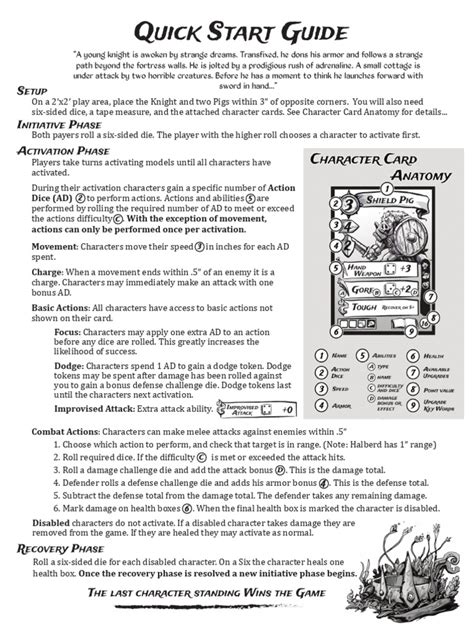
Modern games are complex, often presenting players with intricate UIs, multiple skill trees, crafting systems, lore dumps, and a myriad of objectives from the get-go. This deluge of information can lead to analysis paralysis and feeling completely lost. By focusing on one thing, you provide a clear, narrow path, preventing the cognitive overload that often precedes frustration.
2. Builds Immediate Confidence
Successfully completing even a small, singular task instills a sense of accomplishment. When a new player masters one core mechanic or achieves their very first objective, they gain confidence and a tangible understanding of how the game works on a fundamental level. This initial success acts as a powerful motivator to continue learning and exploring.
3. Establishes the Core Game Loop
Every game has a core loop – the fundamental actions players perform repeatedly. By focusing on one foundational element, you’re often guiding them directly into the heart of this loop. Understanding the primary rhythm of the game early on makes all subsequent systems and mechanics easier to contextualize and learn.
How to Implement This in Your Guide
To make this tip truly actionable, your beginner guide needs to be direct and uncompromising. Use language that leaves no room for ambiguity:
- Be Explicit: State clearly, “Your first and only goal is X.” or “Do not worry about Y until you have completed Z.”
- Define Success: Tell the player exactly what it looks like to achieve this foundational goal. Is it reaching a certain level, crafting a specific item, or defeating a particular enemy?
- Provide Contextual Examples: Illustrate how this applies across different game genres:
- RPG: “Focus solely on completing the main quest until you reach Level 5. Ignore all side quests, crafting, and character build optimization for now.”
- Strategy Game: “Your immediate priority is to establish a stable economy generating 50 wood and 20 food per minute. Do not engage in combat until this is achieved.”
- Action Game: “Spend your first 15 minutes in the training arena mastering the basic attack and dodge mechanics. Advanced combos and special abilities can wait.”
- Survival Game: “Your singular goal is to secure a basic shelter and a consistent water source. Do not venture far from your spawn point.”
Conclusion: A Path to Engagement
By distilling the initial experience down to one crucial, achievable objective, a game’s beginner guide can dramatically reduce new player frustration. This focused approach transforms potential overwhelm into actionable progress, building confidence and fostering a genuine desire to delve deeper into the game. It’s not about hiding complexity, but about unveiling it strategically, one foundational piece at a time.