F2P: What first purchase offers drive conversion?
The Pivotal Role of First Purchases in F2P Monetization
In the fiercely competitive Free-to-Play (F2P) mobile and PC game markets, converting a non-paying player into a paying one is a critical milestone. This initial transaction, often referred to as the “first purchase,” is more than just revenue; it’s a powerful indicator of player engagement and a gateway to long-term monetization. Understanding what motivates players to open their wallets for the first time, and designing offers that effectively leverage these motivations, is paramount for sustainable growth.
Why First Purchases Are So Crucial
The first purchase fundamentally shifts a player’s relationship with the game. It moves them from a consumer of free content to an investor. This psychological commitment often leads to higher retention, increased engagement, and a greater likelihood of future purchases. The challenge lies in lowering the barrier to entry while simultaneously presenting an irresistible value proposition. Successful first purchase offers often target new players who are highly engaged but haven’t yet committed financially, or returning players looking for a boost.
Types of First Purchase Offers That Drive Conversion
Many F2P games experiment with various offer types, but a few consistently stand out for their conversion power:
- Starter Bundles / Welcome Packs: These are typically offered shortly after a player begins their journey, often within the first 24-72 hours. They combine a high perceived value with a significantly low price point (e.g., $0.99 – $4.99). The bundle might include premium currency, exclusive items, temporary boosts, or essential progression materials. The goal is to provide a noticeable advantage and make the player feel smart for making the purchase.
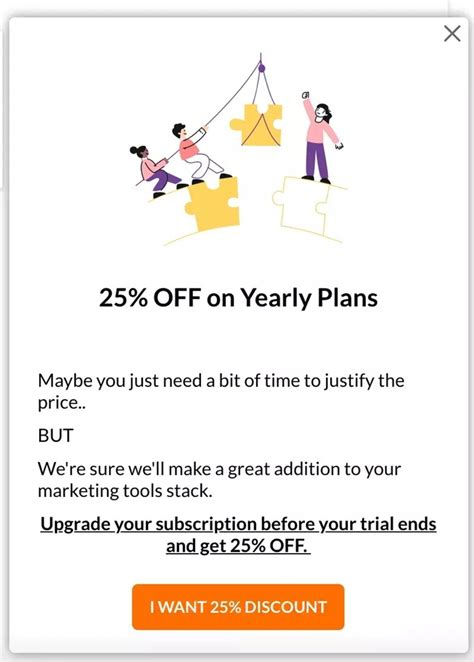
- Limited-Time Offers with High Discounts: Urgency and scarcity are powerful motivators. Offers available for a very short duration (e.g., 1-3 hours) at a substantial discount can compel players to act quickly, fearing they might miss out on a great deal. These are often triggered by specific in-game achievements or player behavior.
- Beginner Battle Passes / Subscription Trials: A heavily discounted or free trial of a battle pass or VIP subscription model can introduce players to the benefits of ongoing monetization. If the trial demonstrates significant value, players are more likely to convert to the full, recurring purchase.
- Small Currency Packs with Bonus: A common strategy is to offer a small amount of premium currency (e.g., 50 gems) with a significant bonus (e.g., +100% bonus gems) for a very low price. This encourages players to “test the waters” of purchasing and often provides enough currency to experience a desirable in-game unlock or action.
- Exclusive Cosmetic Bundles: For games where cosmetics are highly valued, a unique skin or visual item bundle at an attractive price can be a strong first purchase. It offers immediate gratification without directly impacting gameplay balance, appealing to players who value self-expression.

Key Principles for Designing Effective First Purchase Offers
Beyond the type of offer, several design principles are crucial for maximizing conversion:
- Irresistible Value Proposition: The offer must clearly and immediately demonstrate substantial value, making the purchase feel like a no-brainer. The perceived value should far exceed the actual cost.
- Low Barrier to Entry: The price point should be low enough to minimize financial friction. For many F2P games, this means a price ranging from $0.99 to $4.99.
- Immediate Gratification: Players should feel the benefits of their purchase instantly. Whether it’s unlocking a powerful character, getting a unique cosmetic, or fast-forwarding progression, the reward needs to be tangible and immediate.
- Clear Communication: The offer’s benefits, duration, and price must be presented clearly and prominently. Ambiguity can lead to hesitation and missed conversions.
- Targeted Placement: Offers should appear at natural breakpoints or moments of high engagement (e.g., after achieving a significant milestone, encountering a challenging level, or when currency runs low).
Measuring and Iterating
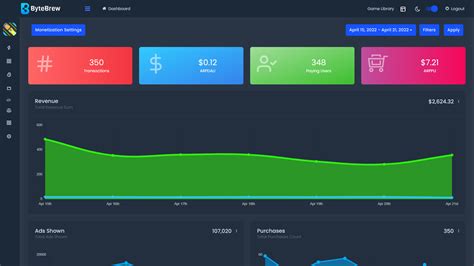
Successful first purchase strategies are rarely static. A/B testing different offer types, price points, bundles, and presentation methods is essential. Developers should closely monitor conversion rates, average revenue per user (ARPU), and retention rates post-purchase. Data analytics provides insights into what resonates with their specific player base, allowing for continuous optimization and refinement of offers.
Conclusion
The first purchase is a make-or-break moment for many F2P games. By strategically designing offers that provide undeniable value at a low price point, leveraging psychological triggers like urgency and exclusivity, and continuously iterating based on player data, developers can significantly improve their player conversion rates. This initial commitment not only boosts immediate revenue but also lays the groundwork for a more engaged and monetizable player base over the long term.