F2P Gacha: How to identify fair monetization & enjoy games without predatory spending?

Navigating the World of F2P Gacha Games Responsibly
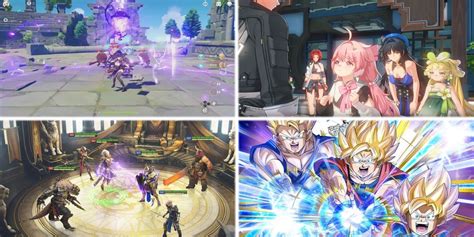
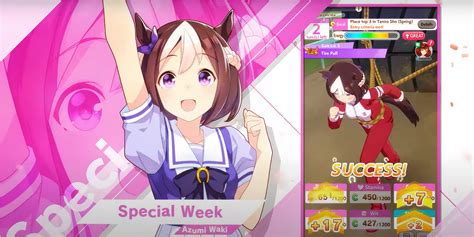
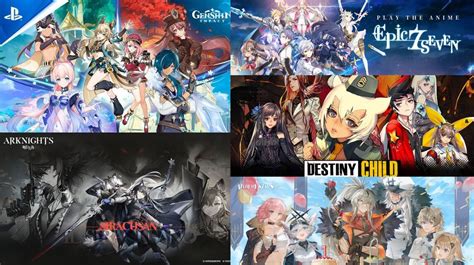
Free-to-Play (F2P) gacha games have become a dominant force in the mobile gaming landscape, offering engaging experiences without an upfront cost. However, their monetization model, often centered around ‘gacha’ or loot box mechanics, can sometimes veer into predatory territory, encouraging excessive spending. For players looking to enjoy these games without breaking the bank or feeling exploited, understanding the difference between fair and unfair monetization is crucial.
At its core, a gacha system involves randomized rewards, much like vending machines in Japan dispensing capsule toys – hence the name. Players spend in-game currency, often premium currency bought with real money, for a chance to acquire rare characters, items, or equipment. While this can be exciting, the allure of elusive rewards can lead to compulsive spending if not managed carefully.

Identifying Fair Monetization Practices
A healthy F2P gacha game prioritizes player enjoyment and retention over immediate, aggressive revenue generation. Here are some key indicators of a fair monetization model:
- Generous Premium Currency Drip-Feed: Fair games provide ample opportunities to earn premium currency through gameplay, events, daily logins, and achievements. This allows free-to-play players to participate in gacha pulls regularly.
- Reasonable Pity Systems: A ‘pity timer’ guarantees a rare item after a certain number of failed pulls. A fair game will have a visible and achievable pity system, ensuring players eventually get what they want without infinite spending.
- Cosmetics as Primary Paid Items: When the main purchases are purely cosmetic (skins, emotes, profile icons), it indicates that the core gameplay is accessible and competitive without spending.
- Minimal or No Pay-to-Win (P2W) Elements: True P2W games lock essential power or progression behind paywalls. Fair games might offer convenience or slight advantages for spenders, but the core gameplay loop and competitive balance remain accessible to F2P players.
- Clear Drop Rates and Transparency: Reputable games clearly display the odds of pulling specific items or characters. Obfuscation of these rates is a major red flag.
- Events Accessible to F2P Players: Events should be designed so that F2P players can reasonably complete objectives and earn valuable rewards without having to spend heavily.
Recognizing Predatory Spending Tactics
Conversely, some games employ tactics designed to pressure players into spending more than they intend. Be wary of these red flags:
- Aggressive Pop-ups and Flash Sales: Constant, intrusive pop-ups promoting limited-time offers with countdown timers create a sense of urgency and fear of missing out (FOMO).
- Excessive Power Creep: Continuously releasing new, significantly more powerful characters or items that quickly render previous investments obsolete pressures players to keep spending to stay competitive.
- Essential Characters/Items Locked Deep in Gacha: If core game progression or essential team compositions are almost impossible without pulling specific, extremely rare gacha units, it’s a sign of a P2W model.
- Unclear or Manipulative Language: Vague descriptions of gacha mechanics, ‘surprise mechanics,’ or offers that sound too good to be true often hide unfavorable odds.
- Multiple Layers of Monetization: While battle passes or subscriptions aren’t inherently bad, stacking them on top of gacha systems, direct purchases, and energy systems can overwhelm players and push spending.
Strategies for Enjoying F2P Gacha Games Without Overspending
Even in games with fair monetization, personal discipline is key. Here’s how to maximize your enjoyment without predatory spending:
- Set a Strict Budget (or No Budget): Decide upfront how much, if anything, you are willing to spend each month, and stick to it. Many successful F2P players spend nothing at all.
- Prioritize Needs Over Wants: Research upcoming banners and save your premium currency for units that genuinely improve your team or fill a crucial role, rather than pulling on every new release.
- Research Before Investing Time/Money: Check reviews, community forums, and content creators to understand a game’s monetization structure and long-term viability before diving deep.
- Focus on Enjoyment, Not Optimization: Don’t feel pressured to have the ‘meta’ team. Many games can be cleared and enjoyed with less optimal, but still strong, F2P-friendly units.
- Engage with F2P Communities: Join online communities where players share F2P strategies, budget builds, and advice on resource management.
- Take Breaks: If you feel compelled to spend or are no longer enjoying the game, take a break. Stepping away can help reset your perspective.
Conclusion
F2P gacha games offer incredible entertainment value, but it’s up to the player to discern ethical practices from exploitative ones. By understanding how fair games operate, recognizing predatory tactics, and adopting disciplined playing habits, you can fully enjoy these titles without falling victim to uncontrolled spending. Play smart, play responsibly, and let the fun be the primary reward.