F2P: Best early-game monetization to lift LTV?
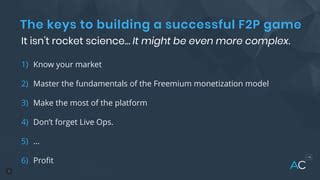
In the highly competitive free-to-play (F2P) gaming market, a game’s long-term success hinges not just on initial downloads but crucially on its Lifetime Value (LTV). While engagement and retention are foundational, strategic early-game monetization is the lever that can significantly lift LTV by converting new players into paying customers and establishing healthy spending habits. But what are the most effective strategies to encourage early purchases without alienating the player base?
Understanding the Early Game Monetization Opportunity
The early game—typically the first 24-72 hours, or even the first few sessions—is a critical window. Players are exploring, learning mechanics, and deciding if the game is worth their time. This is also when their perception of value for in-game purchases is most malleable. Successful early monetization doesn’t feel like a barrier; it feels like an enhancement or an unmissable deal.

Key Principles for Effective Early Monetization
- High Perceived Value: Offers must feel like an exceptional deal, providing significant utility or cosmetic appeal for a relatively low price.
- Low Barrier to Entry: The price point should be accessible, often targeting impulse buys.
- Enhances Core Gameplay: Purchases should genuinely improve the player experience, whether by speeding up progress, unlocking new content, or providing a quality-of-life improvement.
- Non-Coercive: Avoid paywalls or aggressive pop-ups that interrupt the core loop and frustrate players. Monetization should feel optional and additive.
- Timeliness: Offers should appear when they are most relevant – e.g., a “first win” pack or a “level up” bundle.
Top Early-Game Monetization Strategies
1. First-Time User Experience (FTUE) Offers / Starter Bundles
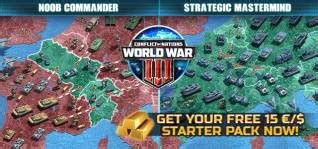
These are arguably the most effective. Typically offered within the first few minutes or hours, FTUEs present an incredible value proposition for a low price (e.g., $0.99 – $4.99). They often contain a mix of premium currency, essential resources, and maybe an exclusive cosmetic or powerful early-game item. The goal is to break the “free-to-play” barrier, turning a non-payer into a payer, which significantly increases their likelihood of future purchases.
2. Progressive First Purchase Bonuses
Rather than a single static bonus for the first purchase, some games offer escalating rewards based on the cumulative amount spent. The first small purchase might unlock a bonus item, while reaching a slightly higher cumulative spend tier unlocks an even better one. This encourages repeat small purchases in the early game.
3. Early Introduction to Battle Passes / Season Passes
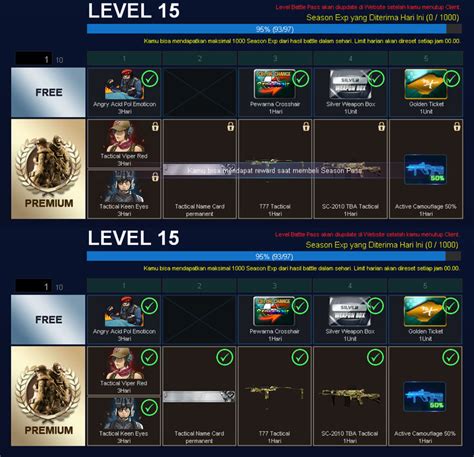
While often a mid-to-late game monetization pillar, introducing the concept of a Battle Pass early can be powerful. Offer a free track that progresses alongside a premium track. Players see the value they are missing out on and can be incentivized to upgrade to the premium pass for a highly discounted price during the early stages, especially if they are already progressing through the free track.
4. Time-Limited Offers with Countdown Timers
Urgency creates action. Presenting specific, high-value bundles with a visible countdown timer for 24-72 hours can effectively drive early conversions. These offers should be tailored to common early-game pain points or desires.
5. Small Subscription Trials
For games with subscription models, a heavily discounted or short-term free trial can introduce players to premium benefits. Once they experience the quality-of-life improvements or boosted rewards, they are more likely to subscribe fully, boosting recurring LTV.
The Balance: User Experience vs. Monetization
The cardinal rule is to never sacrifice the core gameplay experience for monetization. An aggressive, pushy monetization strategy in the early game will lead to high churn and a damaged reputation. Players are savvy; they can tell when a game is designed to extract money rather than provide entertainment. Focus on offering genuine value that enhances their fun, rather than trying to fix perceived “problems” with paid solutions.
Measuring Success and Iterating
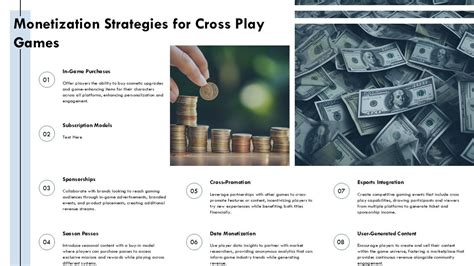
Effective early-game monetization isn’t a set-it-and-forget-it strategy. Developers must rigorously A/B test different offers, price points, and presentation methods. Key metrics to track include:
- First Purchase Conversion Rate: Percentage of new players who make a purchase within a specific early timeframe.
- Early ARPU (Average Revenue Per User): Revenue generated per user in the initial days/weeks.
- LTV by Cohort: Compare the LTV of cohorts exposed to different early monetization strategies.
- Churn Rate: Ensure monetization isn’t driving players away.
Use this data to refine your offers continually, ensuring they resonate with your player base and contribute positively to long-term LTV.

Conclusion
Strategic early-game monetization is a powerful tool for lifting LTV in F2P games. By focusing on high-value, low-barrier, and experience-enhancing offers like FTUE bundles, progressive rewards, and well-timed Battle Pass introductions, developers can effectively convert new players into loyal, paying customers. The key lies in a delicate balance: providing genuine value without compromising the player experience, all while continuously analyzing data to optimize for sustainable growth.