Essential elements for a game’s “first 5 mins” beginner guide?

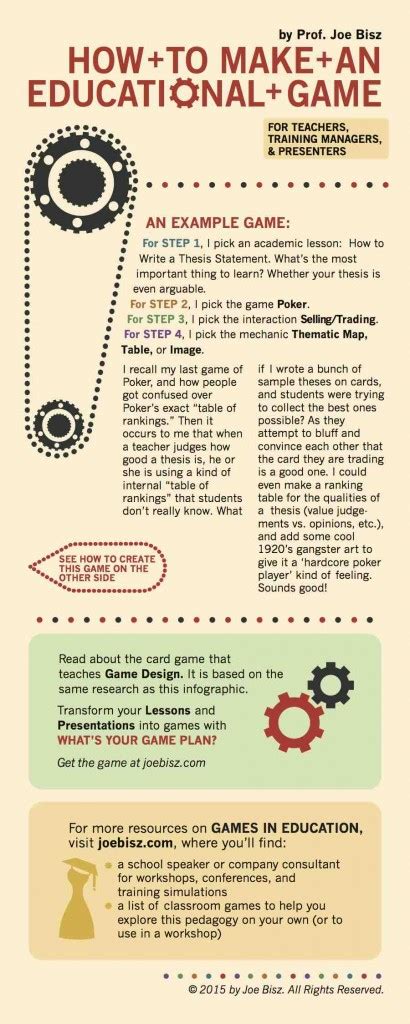
The first five minutes a player spends in your game are arguably the most crucial. This brief window is where first impressions are formed, core mechanics are introduced, and the decision to continue playing or abandon the experience is often made. A well-designed opening can hook players, setting them on a journey of discovery, while a poorly executed one can lead to immediate frustration and uninstallation. Crafting an effective “first 5 mins” beginner guide isn’t just about teaching controls; it’s about building an emotional connection and demonstrating the intrinsic fun of your game.

Immediate Immersion and Engagement
Players need a compelling reason to stay from the very beginning. This doesn’t necessarily mean an explosive cutscene (though it can), but rather a clear sense of purpose or a captivating mystery. Hook players quickly by presenting a visually interesting scene, an immediate dilemma, or a straightforward objective that encourages interaction. Avoid lengthy exposition or character creation screens that delay engagement; get players into the action, even if it’s a simplified version.
Crystal Clear Controls and UI
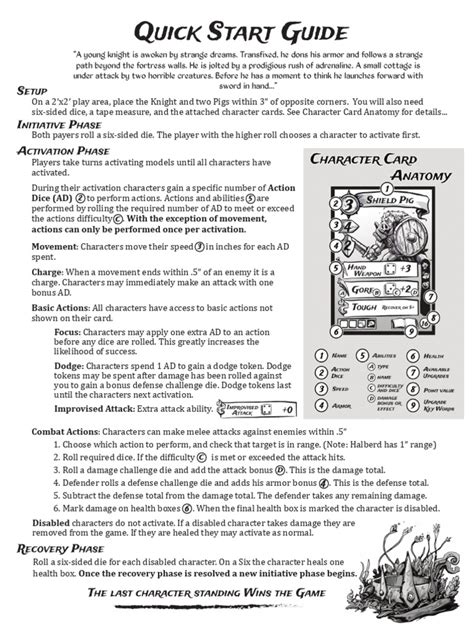
Nothing sours a new player’s experience faster than confusion over basic interactions. The “first 5 mins” must focus on gradually introducing fundamental controls (movement, primary action) through interactive prompts rather than walls of text. The User Interface (UI) should be minimal, clean, and intuitive, highlighting only the information absolutely necessary at that moment. Consider context-sensitive tooltips or visual cues instead of a static tutorial menu. The goal is to make players feel competent and in control, not overwhelmed by buttons and options.

Showcase Core Mechanics
What makes your game unique and fun? The first five minutes should give a taste of your game’s core loop and unique selling points. If it’s a puzzle game, present a very simple puzzle. If it’s an RPG, let them perform a basic attack or ability. If it’s a platformer, demonstrate jumping and basic traversal. This isn’t the time to introduce advanced systems, but rather to distill the essence of the gameplay into an easily digestible and enjoyable experience. Let players do the fun thing, not just hear about it.

Early Sense of Accomplishment
Humans are motivated by progress and reward. Design the initial minutes to provide frequent, small victories. This could be completing a simple task, defeating a very weak enemy, collecting a visible item, or successfully navigating a short obstacle course. Each small win reinforces positive behavior and gives players a sense of competence and satisfaction, encouraging them to continue exploring and engaging with the game world. Immediate positive feedback is crucial for building player confidence.
Context and World Building (Briefly)
While avoiding information overload, subtly weave in elements of your game’s world, lore, or narrative. A brief cinematic, an environmental detail, or a short character interaction can hint at the grander story without requiring a deep understanding. This provides a ‘why’ for their actions and sparks curiosity, giving players a reason to invest further in the game’s universe beyond just mastering its mechanics.

Managing Information Overload
The biggest pitfall in beginner guides is trying to teach everything at once. Resist the urge. Prioritize essential information and introduce new concepts incrementally. Use a “learn by doing” philosophy, providing challenges that naturally teach mechanics rather than explicit instructions. If a player needs to know about their inventory, let them pick up an item that forces them to open it. Keep text prompts concise and easily dismissible.
Conclusion
The “first 5 mins” of any game are a delicate dance between teaching, engaging, and enticing. By focusing on immediate immersion, intuitive controls, showcasing core mechanics, providing early accomplishment, and managing information flow, developers can craft an unforgettable opening that not only retains players but transforms them into long-term fans. A great beginning sets the stage for everything that follows, making it an investment well worth the effort.