Digital vs. physical Switch games: Best way to build your game collection?
The Great Debate: Digital vs. Physical Gaming
For Nintendo Switch owners, one of the most persistent questions isn’t about which game to play next, but how to acquire it. The choice between digital downloads from the eShop and tangible game cartridges can significantly impact how you build, manage, and enjoy your game collection. Both methods offer distinct advantages and drawbacks, making the “best” way highly subjective and dependent on individual preferences.

The Case for Digital: Convenience and Accessibility
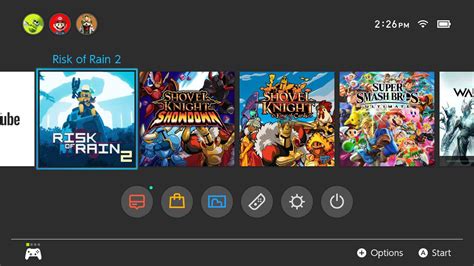
Digital games, purchased directly from the Nintendo eShop, offer unparalleled convenience. Once downloaded, they reside on your console’s internal memory or an inserted microSD card, ready to play at a moment’s notice. This eliminates the need to carry multiple game cartridges, a boon for portable gaming enthusiasts who travel frequently or simply want to switch games without fumbling for small plastic cards.
Instant access is another major draw. New releases can be pre-loaded and played immediately upon launch, and sales on the eShop often provide opportunities to expand your library at a discounted price. Furthermore, some indie titles are exclusively available digitally, ensuring you don’t miss out on hidden gems.
Embracing the Tangible: Physical Games’ Enduring Appeal
Despite the digital revolution, physical game cartridges continue to hold a strong appeal for many. The most significant advantage is true ownership. When you buy a physical game, you own a tangible asset that can be lent to friends, traded in, or resold, potentially recouping some of your initial investment. This resale value is a key differentiator, as digital purchases are typically tied to your Nintendo account and cannot be transferred or resold.
Collectibility is another powerful motivator. Many gamers enjoy the satisfaction of displaying their physical game library, admiring the box art, and holding a piece of gaming history. Limited edition physical releases, often bundled with exclusive goodies, further enhance this collector’s appeal. Moreover, physical games can sometimes alleviate storage concerns on your console, as the core game data is read directly from the cartridge, using less internal memory for downloads and patches.
Key Factors to Consider for Your Collection
Storage Space
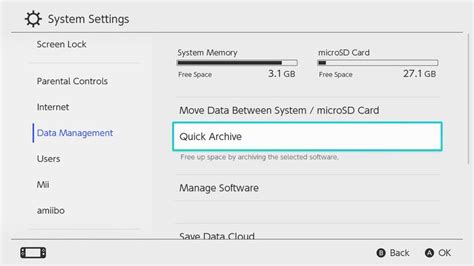
Digital games are memory hogs. While the Switch has 32GB (or 64GB for OLED) of internal storage, many modern games easily exceed this. A high-capacity microSD card becomes essential for a substantial digital library. Physical games, while still requiring updates and DLC to be stored digitally, significantly reduce the base game’s footprint on your internal storage.

Cost and Value
The price war between digital and physical is ever-shifting. While digital sales can be excellent, physical games often see quicker price drops from retailers, and the used game market offers a consistently cheaper alternative. The ability to resell physical games also adds to their long-term value proposition.
Connectivity
Downloading large digital games requires a stable internet connection. If your connection is unreliable or capped, physical games offer a plug-and-play solution without massive downloads (beyond initial patches).

Finding Your Balance: A Hybrid Approach
For many, the “best” way isn’t an either/or scenario, but a hybrid approach. Consider buying evergreen titles, multiplayer favorites, or games you know you’ll replay frequently in digital format for convenience. On the other hand, story-driven single-player games, limited editions, or titles you might want to resell later could be ideal candidates for physical cartridges.
Ultimately, your decision will hinge on personal priorities: Is convenience paramount? Do you value true ownership and the ability to resell? Are you a collector at heart? Understanding these trade-offs will guide you in building a Switch game collection that perfectly suits your gaming lifestyle.