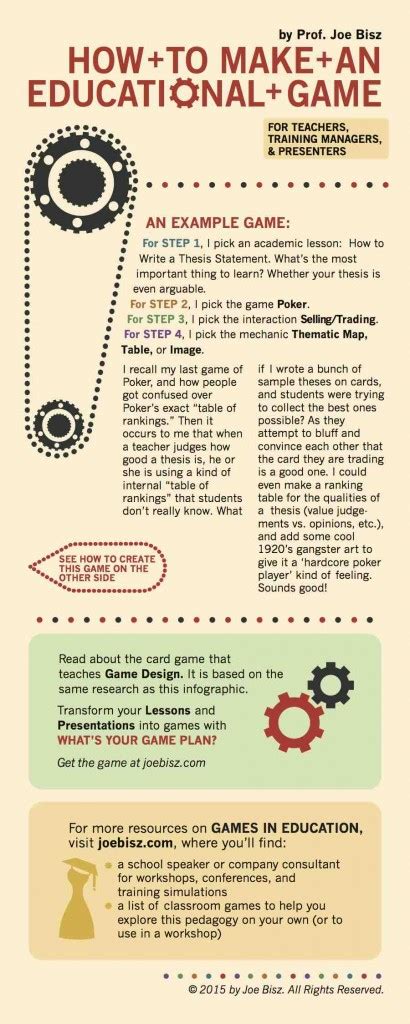
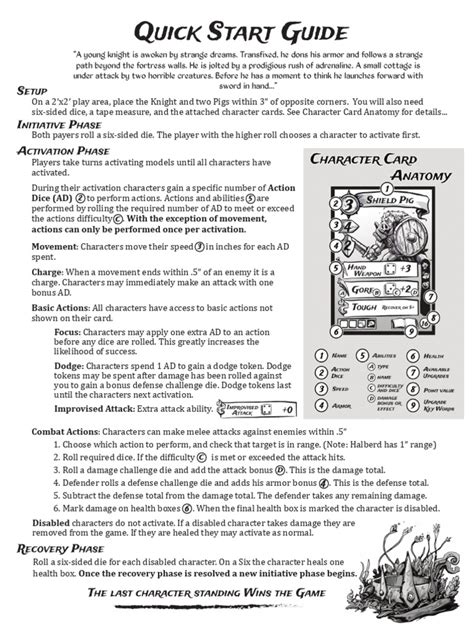
Crucial elements for a concise, actionable “first steps” game guide for beginners?
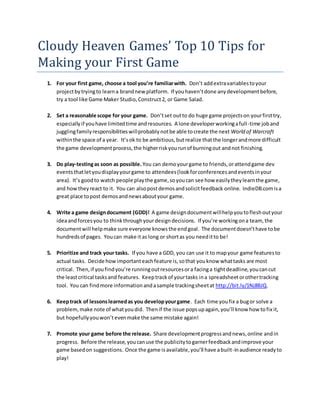
The Importance of a Great First Steps Guide
For any new game, the initial hours can make or break a player’s experience. A well-crafted “first steps” guide isn’t just helpful; it’s crucial for player retention and enjoyment. It acts as a friendly hand, gently leading newcomers through the initial complexities without overwhelming them. But what makes such a guide truly effective? It boils down to being concise, actionable, and laser-focused on the absolute essentials.
Keep it Ultra-Concise and Focused
Beginners don’t need a lore dump or an exhaustive list of every game mechanic; they need just enough information to get started and feel competent. Avoid jargon where possible, and when unavoidable, explain it simply. The goal is to provide immediate utility, not a comprehensive encyclopedia. Stick to the “need to know right now” information, filtering out anything that can wait until later.
Information overload is the enemy of any beginner. Each sentence and paragraph should serve a clear purpose: guiding the player through an immediate hurdle. If a piece of information isn’t directly relevant to their first 15-30 minutes of gameplay, save it for a more advanced section or a later guide.

Actionable Steps, Not Just Information
A good guide doesn’t just describe; it instructs. Instead of saying “The main menu has options,” say “From the main menu, click ‘New Game’ to begin your adventure.” Every tip should be phrased as a clear command or a distinct step the player can immediately perform. Break down complex actions into smaller, digestible tasks.
Players learn by doing. An actionable guide empowers them to actively participate in the learning process, reinforcing concepts through direct interaction. Provide specific instructions for movement, interacting with objects, or performing the very first mission. This builds confidence and momentum.
Prioritize Core Mechanics First
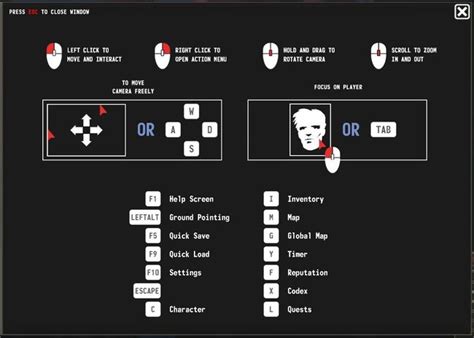
What are the absolute minimum controls and systems a player needs to understand to play the game? Movement, basic interaction (e.g., picking up items, talking to NPCs), and perhaps a primary attack or ability. These core mechanics should be introduced first and foremost. Everything else, like crafting, advanced combat maneuvers, or complex skill trees, can be introduced progressively.
Use Visuals and Simple Language
Show, don’t just tell. Screenshots, short video clips, or even simple diagrams can vastly improve understanding. Label critical UI elements clearly. Pair these visuals with straightforward language, avoiding overly technical terms or game-specific jargon that hasn’t been explained yet. Clarity in communication is paramount for a beginner’s success.
A picture is worth a thousand words, especially when dealing with visual interfaces or specific in-game locations. Ensure that any accompanying text directly describes what the player sees in the image, reinforcing the visual cues. This minimizes confusion and speeds up comprehension.

Set Achievable Early Goals
Guide players toward their very first small victories. “Find your first weapon,” “Complete the tutorial mission,” or “Reach the first town.” These early successes provide positive reinforcement and a sense of accomplishment, encouraging them to continue playing. Define what “completing” the first steps means.
By breaking down the initial learning curve into manageable, goal-oriented chunks, players are less likely to feel overwhelmed. Each completed goal serves as a stepping stone, building their confidence and familiarity with the game world and mechanics.

Clearly Define Next Steps
Once the “first steps” are complete, what’s next? A good guide doesn’t leave players hanging. It should gently point them towards where they can find more information, what the next logical progression is, or how to explore new facets of the game. This could be a link to a more advanced guide, a suggestion to try a specific game mode, or simply encouragement to explore on their own.
Providing a clear path forward prevents players from feeling lost after mastering the initial basics. It transitions them from guided learning to self-directed exploration, ensuring a continuous and enjoyable gaming experience.

Conclusion
Creating an effective “first steps” game guide for beginners is an art form that balances brevity with clarity and information with action. By focusing on conciseness, actionable advice, prioritizing core mechanics, utilizing strong visuals, setting achievable goals, and clearly outlining next steps, you can craft a guide that not only helps new players survive their initial hours but thrives in their new gaming world.