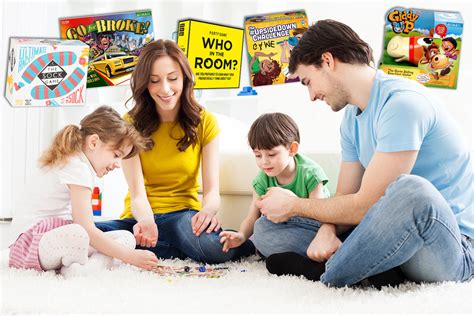
Cozy game tips: Keep diverse family ages engaged without conflict?

Navigating the Joys and Challenges of Multi-Generational Gaming
Bringing the family together for a cozy game night sounds idyllic: laughter, shared moments, and a sense of togetherness. However, the reality can often involve a delicate balance, especially when different age groups are involved. From the energetic toddler to the strategic grandparent, each family member brings their unique perspective and play style to the table. The key to harmonious family gaming isn’t just about picking the right game, but also about setting the stage, managing expectations, and fostering an environment where everyone feels valued and engaged.
Understanding Diverse Play Styles
The first step in preventing conflict is recognizing that different ages have different motivations and capacities for play. Younger children often prioritize immediate fun, bright colors, and simple mechanics, with a shorter attention span. Teenagers might seek challenge, social interaction, or a sense of accomplishment, while adults often appreciate strategy, storytelling, or simply the opportunity to connect. A game that’s too complex for a child can lead to frustration, just as a game that’s too simplistic can bore an adult or teen. Understanding these varied needs is crucial for making informed choices and adjustments.

Strategic Game Selection for All Ages
Choosing the right game is perhaps the most critical component. Look for titles that offer scalability, cooperative elements, or multiple layers of engagement. Cooperative games, where everyone works together towards a common goal, are excellent for minimizing competition and fostering teamwork. Games like Pandemic (with simplifications for younger players), Forbidden Island/Desert, or Mice and Mystics can be fantastic. Alternatively, games with variable difficulty or roles, where younger players can take on simpler tasks while older ones handle more complex decisions, work well. Party games like Codenames: Duet (team-based) or simpler dexterity games like Jenga or Rhino Hero also tend to bridge age gaps effectively. Don’t overlook digital cozy games on consoles or tablets that offer drop-in/drop-out multiplayer or ‘assist mode’ features.
Setting the Stage for Success
Before the game even begins, a little preparation can go a long way. Have an open discussion about what everyone hopes to get out of the game night. Establish simple, clear rules for fair play, turn-taking, and good sportsmanship. Emphasize that the goal is fun and togetherness, not necessarily winning. For younger players, a pre-game tutorial or a quick run-through of basic mechanics can prevent mid-game meltdowns. For games with many components, having an older child or adult be the ‘game master’ to help manage pieces and explain rules can streamline the process. Snacks and a comfortable playing environment also contribute to a positive atmosphere.

Facilitating During Gameplay and Embracing Flexibility
Once the game starts, your role shifts to a facilitator. Be prepared to offer gentle guidance, help interpret rules, and mediate any budding disagreements. Encourage older children to help younger siblings without ‘taking over’ their turns. Celebrate small victories and effort, not just the final win. Don’t be afraid to house-rule adjustments on the fly if it means keeping everyone engaged – perhaps letting a younger child have an extra turn, or teaming up players. If someone is losing interest, have a backup activity ready or suggest a short break. Sometimes, a game that’s just not gelling can be gracefully retired for another time, or replaced with something simpler. The flexibility to adapt ensures that the cozy game experience remains positive for everyone.

Ultimately, the goal of a cozy family game night is to create lasting positive memories and strengthen bonds. By understanding the varied needs of different age groups, making thoughtful game selections, and actively facilitating a supportive play environment, you can transform potential conflict into shared joy and turn a simple game into a cherished family tradition. It’s not about flawless gameplay, but about the unique magic of playing together.