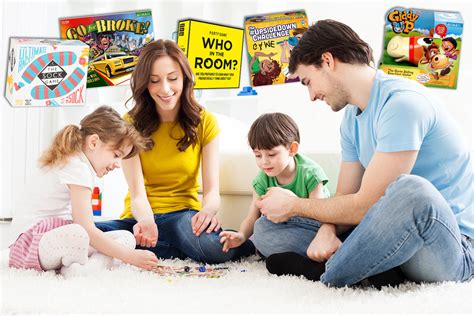
Cozy family games: how to pick for all ages to avoid competitive meltdowns?

Creating Harmony at Family Game Night
Family game night should be a haven of laughter, connection, and shared joy, not a battleground for competitive meltdowns. The key to unlocking this harmonious experience lies in selecting the right games – those that are inclusive, engaging for all ages, and designed to minimize conflict. While a little friendly rivalry can be fun, excessive competition, especially among younger players or those with differing skill levels, can quickly turn a fun evening into a stressful one. So, how do you curate a collection of games that brings everyone together without the tears?

Embracing the ‘Cozy’ Game Philosophy
The term ‘cozy games’ refers to titles that prioritize atmosphere, shared experience, and enjoyment over intense competition. These games often feature:
- Cooperative Play: Everyone works together towards a common goal against the game itself.
- Simple, Accessible Rules: Easy to learn, allowing players of all ages to jump in quickly.
- Luck-Based Elements: Reduces the advantage of highly strategic players and gives everyone a chance.
- High Interaction (Non-Competitive): Encourages conversation, storytelling, and mutual aid rather than direct attacks.
- Engaging Themes: Stories or settings that draw players into a shared imaginative world.
By focusing on these elements, you can shift the game night dynamic from ‘who will win?’ to ‘how can we all have fun together?’
Choosing Games for Mixed Age Groups
One of the biggest hurdles in family gaming is the age gap. A game that captivates a teenager might bore a six-year-old, and vice versa. Here’s how to navigate this challenge:
- Seek Adaptable Games: Some games offer simplified rules for younger players or advanced strategies for adults, allowing everyone to play simultaneously at their own level.
- Prioritize Cooperative Games: These are the ultimate equalizer. When everyone is on the same team, age and skill differences become less about winning and more about collective problem-solving. Popular examples include ‘Forbidden Island,’ ‘Pandemic’ (family version), or ‘Outfoxed!’.
- Focus on Dexterity or Creativity: Games that involve physical skill (like ‘Jenga’ or ‘Don’t Break the Ice’) or creative expression (like ‘Dixit’ or ‘Telestrations’) often transcend age barriers, as raw talent or imagination can trump strategic prowess.
- Story-Driven Games: Games that emphasize narrative and imagination allow players of all ages to contribute ideas and enjoy a shared story, making the outcome less critical.

Strategies to Minimize Competitive Meltdowns
Even with the right game, sometimes competitive spirits flare. Here are proactive strategies to keep the peace:
- Set Expectations: Before starting, remind everyone that the goal is to have fun together, not just to win. Emphasize sportsmanship.
- Implement House Rules: Don’t be afraid to tweak rules. For instance, in a competitive game, allow younger players extra turns or a handicap. You could even implement a rule that everyone celebrates good plays, regardless of who made them.
- Rotate Winners/Teams: For highly competitive games, ensure different people win or different teams are formed over multiple sessions to avoid one person always dominating.
- Focus on the Journey, Not the Destination: Encourage conversation around funny moments, clever moves, or interesting game developments, rather than constantly tracking who’s ahead.
- Take Breaks: If tension rises, call a quick break. Get snacks, stretch, or chat about something else to reset the mood.
- Model Good Sportsmanship: Adults set the tone. React to wins and losses gracefully, celebrating effort and participation over just the final score.

Top Picks for Cozy Family Fun
While specific titles vary, look for games in these categories:
- Cooperative Board Games: Examples like ‘Hoot Owl Hoot!’, ‘Stone Soup,’ or ‘Flash Point: Fire Rescue’ focus on teamwork.
- Storytelling Games: ‘Rory’s Story Cubes’ or ‘Once Upon a Time’ foster creativity and shared narrative.
- Dexterity Games: ‘Catch the Moon,’ ‘Animal Upon Animal,’ or ‘Rhino Hero’ rely on steady hands and provide immediate, lighthearted fun.
- Simple Strategy with Luck: Classics like ‘Ticket to Ride: First Journey’ or ‘Candy Land’ offer easy entry points.
- Party Games: Many party games, such as ‘Pictionary’ or ‘Codenames: Duet’ (cooperative version), emphasize communication and laughter over intense head-to-head competition.

The Ultimate Goal: Connection, Not Victory
Ultimately, the purpose of family game night isn’t to crown a champion, but to forge stronger bonds, create lasting memories, and share moments of pure, unadulterated fun. By carefully selecting games that champion cooperation, accessibility, and joy, and by cultivating an atmosphere of encouragement and good sportsmanship, you can transform competitive meltdowns into shared laughter. Embrace the cozy game philosophy, and your family game nights will become cherished traditions that everyone looks forward to.