Beyond rules, what practical ‘first steps’ should game how-tos prioritize for newbies?

Many game how-tos, while well-intentioned, often overwhelm new players by front-loading dense rulebooks, extensive lore, or complex mechanics before a player has even grasped the fundamental ‘feel’ of the game. The true challenge for a beginner isn’t just understanding what to do, but understanding why and how it impacts their experience. To foster engagement and long-term retention, game guides must prioritize practical, hands-on first steps that build confidence and context.
1. Communicate the Core Objective and “Feeling” Immediately
Before diving into specific controls or detailed lore, a truly effective how-to guide should immediately convey the game’s primary objective and the intended player experience. What is the fundamental ‘why’ of playing this game? Is it about survival, exploration, strategic conquest, or creative building? What emotions should the player expect to feel – tension, wonder, challenge, or relaxation? Providing this overarching context gives all subsequent instructions a sense of purpose.
For instance, instead of starting with “Press W to move,” a guide for a horror game might begin with, “Your goal is simply to escape the house alive. Every creak, every shadow, is a threat. Trust your instincts.” This frames the experience before detailing the mechanics.
2. Hands-On Basic Controls & UI Navigation
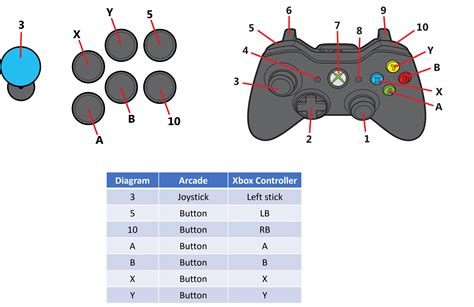
Once the ‘why’ is established, immediate hands-on interaction with basic controls is paramount. This isn’t about listing every hotkey or menu option, but guiding the player through the absolute minimum necessary to perform the core objective. This includes essential movement, interacting with primary objects, and navigating the most critical UI elements (e.g., inventory, map, health bar). Use active learning – prompt the player to press a button and immediately observe its effect, rather than just reading about it.
Many games fail here by presenting a control mapping screen before the player has even moved their character. A better approach is contextual: “Press ‘W’ to move forward. See your character advance? Now, try looking around with your mouse. Feel how you control your view?”
3. Guide Through the “First Loop” Experience
A “first loop” is the shortest, most complete cycle of core gameplay that demonstrates the game’s fundamental rhythm and reward structure. For an RPG, this might be: accept a simple quest, complete one small task (e.g., kill 3 rats), and turn in the quest for a reward. For a crafting game, it’s gathering basic resources and crafting one fundamental, useful item. This complete, albeit miniature, experience gives the player a tangible sense of accomplishment and solidifies their understanding of how all individual actions connect to create a meaningful outcome.
This approach builds confidence and understanding far more effectively than fragmented instructions, illustrating the primary feedback loop of the game.
4. Introduce Terminology and Concepts Contextually
Avoid front-loading a comprehensive glossary. Instead, introduce game-specific terminology and concepts *as they become relevant* during the first loop. When the player encounters their first ‘HP’ bar, explain what it means in that moment. When they pick up ‘crafting materials,’ explain their purpose then, perhaps as part of crafting their first item. This contextual learning is far more effective than abstract definitions, as the player immediately sees the practical application of the term.
For example, in a strategy game, instead of defining “resource nodes” upfront, guide them to their first node and then explain, “This is a ‘resource node’ – you collect materials here to build things for your settlement.”
5. Set Immediate, Achievable Early Game Goals
New players can quickly feel overwhelmed by the vast possibilities of a game. A good how-to guide provides clear, immediate, and achievable goals that build naturally on the first loop and gradually expand the player’s understanding. These could be: “Explore the next two rooms,” “Gather enough resources for your first upgrade,” “Meet the next quest-giver,” or “Try out your first special ability against a training dummy.”
These early goals provide direction, a sense of progression, and prevent the player from feeling lost or unsure of what to do next. They act as stepping stones, gradually expanding the player’s comfort zone and encouraging further exploration and mastery.

By shifting the focus from rigid rule exposition to practical, guided experience, game how-tos can dramatically improve the onboarding process for new players. Prioritizing core objectives, hands-on controls, the first complete gameplay loop, contextual learning, and clear early goals ensures that novices are not just informed, but empowered to enjoy and master their new gaming adventure from the very first moments.