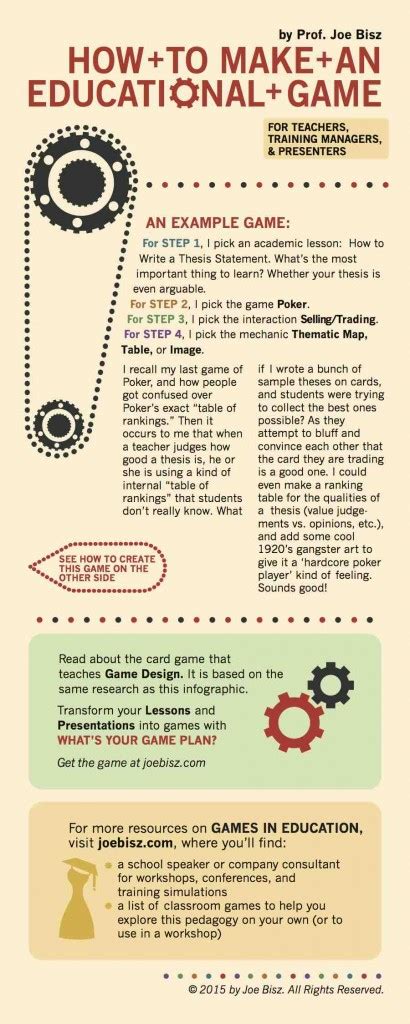
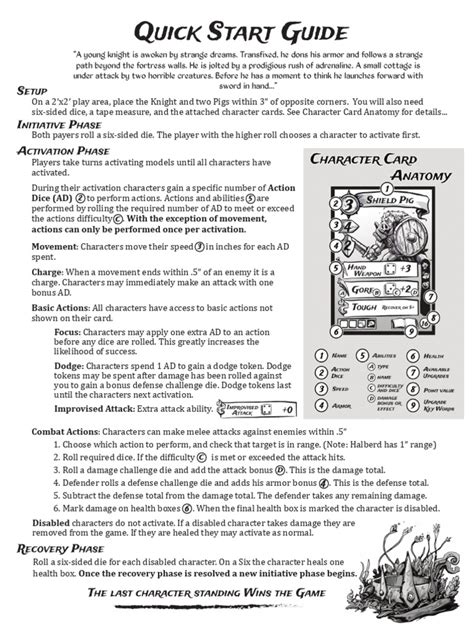
Best way to teach complex game basics to new players without jargon?

Breaking Down the Complexity Barrier for New Gamers
Introducing new players to games with intricate mechanics can be a daunting task, especially when trying to avoid the dense, often exclusionary language that veteran players take for granted. The goal isn’t just to explain the rules, but to foster understanding and enjoyment, encouraging them to dive deeper rather than retreat in confusion. By adopting a jargon-free approach, we can make complex games accessible and fun for everyone.
![(PPT) Simulations [& games] help students understand complex ideas ...](/images/aHR0cHM6Ly90czMubW0uYmluZy5uZXQvdGg/aWQ9T0lQLkVXSFptcWU1ZXdsWWlJOExCSWFhVFFIYUZqJnBpZD0xNS4x.webp)
Start with Real-World Analogies
The human brain loves to make connections. When teaching a complex game concept, don’t just state the rule; relate it to something familiar from everyday life. For instance, explaining a “cooldown” ability as needing time to recharge “like a phone battery” or a “resource management” system as “balancing your budget for groceries and bills” immediately provides a relatable framework. These analogies bridge the gap between abstract game mechanics and concrete understanding, sidestepping the need for specialized terminology.
Focus on the function and purpose rather than the technical name. Instead of saying “aggro management,” you might explain it as “making sure the monster attacks the tank and not the healer,” using simple roles that are easier to grasp in context. This helps new players build an intuitive sense of how things work before they ever hear the official term.
![Analogy Activities [Video] | Analogies activities, Word work activities ...](/images/aHR0cHM6Ly90czMubW0uYmluZy5uZXQvdGg/aWQ9T0lQLjZTZkQyem5TOUE3T1ZXdlAtaXFTeUFIYUxIJnBpZD0xNS4x.webp)
Show, Don’t Just Tell: Visuals and Demonstrations
Reading a rulebook is one thing; seeing it in action is another entirely. Visual demonstrations are incredibly powerful. Fire up the game and actively show them what you’re talking about. “This is where you’ll find your inventory,” “watch how this spell affects the enemy,” or “notice how moving here gives you cover.” Point directly at elements on the screen, execute actions, and explain the immediate outcome.
If the game allows, use simplified scenarios or a tutorial mode to illustrate concepts. Avoid overwhelming them with a full-blown combat encounter when you’re just trying to explain movement or basic attack patterns. Visual cues and practical examples reinforce verbal explanations far more effectively than words alone, especially when bypassing complex jargon.
Guided Play: The Hands-On Experience
After explaining and demonstrating, the next crucial step is getting them to do it themselves – with your guidance. Start with very simple tasks. “Try moving your character to that spot,” or “click this button to use your basic attack.” Provide immediate, constructive feedback. “Good, now try aiming for the target’s weak point.”
Break down initial objectives into manageable micro-tasks. Don’t throw them into a boss fight; let them practice walking, interacting with objects, or performing a basic sequence of actions. This hands-on experience, supported by your patient instructions, builds muscle memory and confidence. It allows them to internalize mechanics at their own pace, making small victories along the way feel significant.

Focus on the “Why” Before the “How”
Instead of merely dictating actions (“press X to jump”), explain the strategic purpose. “Jumping allows you to clear this gap and reach the next platform, which is crucial for progression.” Understanding the ‘why’ behind a mechanic makes it more meaningful and helps players make informed decisions later on. This also naturally introduces strategic thinking without needing terms like “optimal pathing” or “crowd control.”
Patience and Positive Reinforcement Are Key
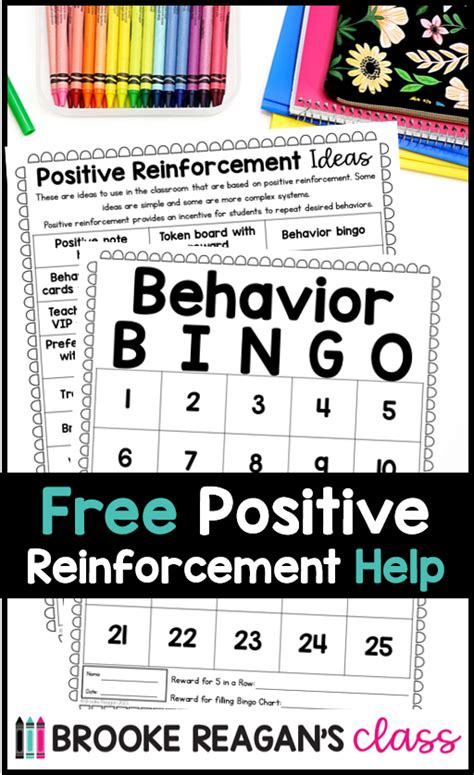
Learning a complex game takes time, and mistakes are inevitable. Maintain a positive and encouraging tone throughout the teaching process. Celebrate small successes and offer gentle corrections when things go awry. Reassure them that it’s okay to not get everything immediately. The goal is to make the learning experience enjoyable and low-pressure, fostering a sense of accomplishment rather than frustration.
Conclusion
Teaching complex game basics to new players without jargon is an art that prioritizes clarity, empathy, and practical application. By leveraging real-world analogies, visual demonstrations, guided hands-on play, and focusing on the underlying purpose of mechanics, you can transform a potentially intimidating experience into an engaging and rewarding journey. Remember, the best teachers don’t just impart knowledge; they ignite a passion for discovery.