Best way to structure a beginner game guide to quickly teach core mechanics to new players?
The Imperative of Effective Onboarding for New Players
For any video game, the initial hours are critical. A well-structured beginner guide doesn’t just teach controls; it fosters confidence, excitement, and long-term player retention. New players need to quickly understand the “how” and “why” of your game without feeling overwhelmed or bored. This article outlines a methodical approach to guide design, prioritizing hands-on learning and incremental knowledge acquisition.
The goal is to move new players from clueless to competent in the most engaging way possible, turning potential frustration into early triumphs. Forget lengthy text dumps; modern game guides should be dynamic, interactive, and deeply integrated into the first moments of gameplay.
Core Principles for a Swift Learning Curve
Before diving into specific phases, let’s establish foundational principles for an effective beginner guide:
- Show, Don’t Just Tell: Players learn by doing. Integrate explanations directly into gameplay, using interactive prompts rather than static text boxes.
- One Concept at a Time: Avoid information overload. Introduce a single mechanic, allow the player to practice it, and then introduce the next.
- Contextual Relevance: Explain features when they become necessary. Don’t teach about the inventory system until the player has something to put in it.
- Immediate Practice: Every new piece of information should be followed by an opportunity to apply it immediately in a low-stakes environment.
- Positive Reinforcement: Acknowledge successful actions. This builds confidence and encourages exploration.
Phase 1: The “Instant Play” Introduction (0-5 Minutes)
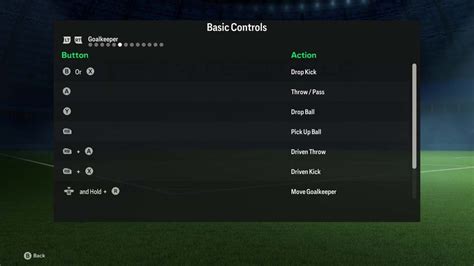
The very first moments should prioritize getting the player into the game and moving. Focus on the absolute essentials:
- Basic Movement: How to move the character (WASD, left stick, etc.).
- Camera Control: How to look around (mouse, right stick).
- Primary Interaction: The most common button or key for action (e.g., attack, pick up, interact).
This phase should be mostly visual and interactive. Use on-screen prompts (e.g., “Press W to move forward”) that fade once the action is performed. Create a simple, contained environment where these basic actions are the only ones available, allowing the player to freely experiment without complex distractions.
Phase 2: Iterative Core Mechanic Unveiling (5-15 Minutes)
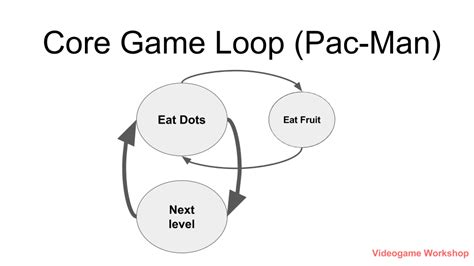
Once basic controls are established, gradually introduce the game’s core loop, one mechanic at a time. Each introduction should be followed by an immediate, simple task that requires its use.
- Example (Action RPG):
- Introduce basic attack. Player defeats one weak enemy.
- Introduce defensive ability (block/dodge). Player uses it to avoid an incoming, telegraphed attack.
- Introduce looting. Player collects items from the defeated enemy.
- Introduce basic inventory access. Player sees the item they just picked up.
This phase should occur in a safe, guided area, perhaps an “arena” or a linear path with controlled encounters. The environment acts as a teacher, providing natural opportunities for each mechanic’s explanation and practice.
Phase 3: Contextual System & UI Explanation (15-30 Minutes)
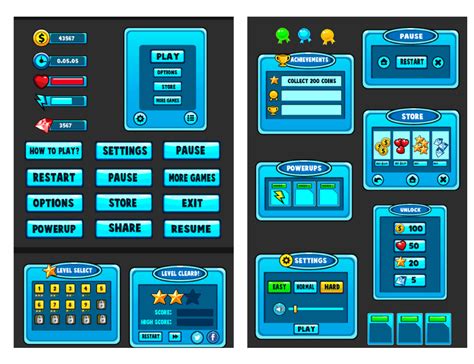
As the core mechanics become familiar, players will naturally encounter the need for deeper systems and UI elements. Explain these “just-in-time.”
- Health Bar: Explain when the player takes damage for the first time.
- Map: Introduce when the player needs to navigate a slightly larger area.
- Quest Log: Explain when the player receives their first formal objective.
- Currency: Introduce when the player finds their first gold or needs to make a purchase.
Use short, non-intrusive tooltips or pop-up explanations that appear near the relevant UI element and can be dismissed. Avoid a single, overwhelming “UI Tour.”
Phase 4: Guided Practice & First Challenges (30+ Minutes)
With a foundational understanding, empower players to apply their knowledge in a slightly more complex, but still forgiving, environment. This might be their first “real” quest or a mini-dungeon that incorporates all learned mechanics.
- Provide a clear objective.
- Offer hints if the player struggles but allow room for experimentation.
- Ensure success is achievable and rewarded.
- This phase transitions the player from a tutorial environment into the main game world, feeling prepared rather than abandoned.
Conclusion: Building Confident New Players
A well-structured beginner guide isn’t just about teaching controls; it’s about building a positive emotional connection with the game. By prioritizing interactive learning, incremental complexity, and contextual information delivery, you empower new players to quickly grasp core mechanics and feel competent. This approach reduces frustration, enhances engagement, and significantly increases the likelihood that they’ll stick around to explore everything your game has to offer. Invest in a smart onboarding experience, and you invest in your game’s long-term success.