Best way to simplify complex game mechanics in beginner guides?

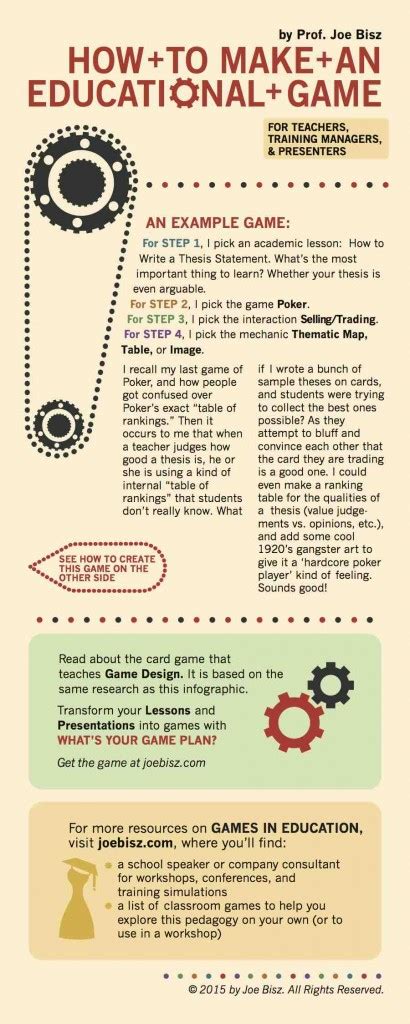
Creating beginner guides for video games often means tackling mechanics that, to a veteran player, seem second nature but can be utterly bewildering to a newcomer. The challenge lies in distilling complex systems into understandable, actionable information without oversimplifying to the point of inaccuracy. This article explores the most effective strategies for breaking down intricate game mechanics, ensuring your guides are accessible, engaging, and truly helpful for new players.
Start with the Core Concept and “Why”
Before diving into the intricate details of a game mechanic, always begin by explaining its fundamental purpose and why it matters. What does this mechanic achieve? How does it impact gameplay? Understanding the “why” provides context and motivation for learning the “how.” For instance, when explaining a crafting system, start with “Crafting allows you to create powerful items and gear using resources you find” before listing recipes or material types.
Employ Analogies and Real-World Comparisons
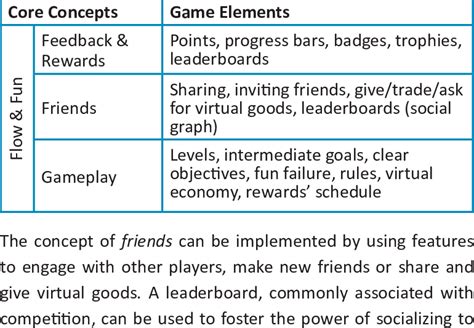
One of the most powerful tools for simplification is the use of analogies. Relate complex in-game systems to concepts or processes that readers are already familiar with in the real world. A “threat” or “aggro” mechanic in an MMORPG might be compared to a child demanding attention from a parent. A complex inventory management system could be likened to organizing a cluttered backpack for a hike. These comparisons build bridges between the known and the unknown, making abstract ideas concrete.
Break Down Mechanics into Smaller, Digestible Chunks
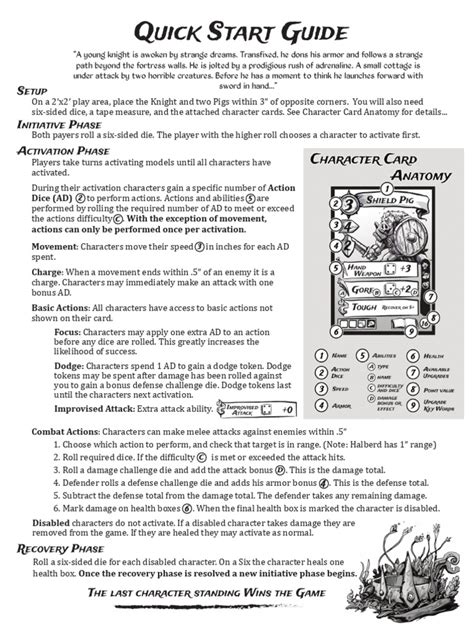
Information overload is the enemy of a beginner. Instead of presenting an entire complex system at once, break it down into its constituent parts. Explain each sub-component individually, perhaps in separate sections or paragraphs, before showing how they connect. For example, a guide on character builds might first explain attributes, then skills, then gear, and finally how they synergize, rather than detailing an entire optimal build from the outset.

Utilize Visual Aids and Concrete Examples
Text alone can struggle to convey certain mechanics. Visuals such as screenshots, flowcharts, or simple diagrams can dramatically enhance understanding. Show, don’t just tell. When explaining a combat rotation, illustrate it with a sequence of ability icons. For a resource gathering path, a simple map overlay can be invaluable. Always follow theoretical explanations with concrete, in-game examples that players can easily replicate or recognize.
Prioritize and Gradually Introduce Depth
Not all aspects of a complex mechanic are equally important for a beginner. Identify the absolutely essential information needed to get started and prioritize that. More advanced details, edge cases, or highly optimized strategies can be introduced later in the guide, in separate “advanced tips” sections, or even in entirely different articles. Think of it as layers of an onion – peeling back one layer at a time rather than presenting the whole onion at once.
Speak Plainly and Avoid Jargon (or Explain It)
Many games have their own unique terminology. While some jargon is unavoidable, always strive for clear, concise language. If a specific in-game term must be used, define it clearly the first time it appears. For instance, instead of assuming everyone knows what “DPS” means, you might write, “DPS (Damage Per Second) is a measure of how much damage your character deals over time.” This prevents new players from getting lost in a sea of unfamiliar words.

Encourage Hands-On Practice and Experimentation
Learning by doing is highly effective. Design your guides to encourage readers to immediately apply what they’ve learned. Suggest simple practice scenarios or specific in-game challenges they can undertake. “Try opening your inventory and moving items between your backpack and bank” is more engaging than just describing the inventory system. This active engagement reinforces understanding and builds confidence.
Test Your Guide with Actual Beginners
The best way to ensure your simplification methods are working is to test them. Have someone who knows nothing about the game (or the specific mechanic) read your guide and try to follow it. Pay attention to where they get confused, what questions they ask, and where they struggle. This feedback is invaluable for identifying areas that still need simplification or clarification. What seems obvious to you might be a stumbling block for a true novice.

Conclusion
Simplifying complex game mechanics for beginner guides is an art form that blends clear communication with empathy for the new player experience. By focusing on core concepts, using relatable analogies, chunking information, employing visuals, and prioritizing gradual learning, you can transform daunting systems into approachable challenges. A well-crafted beginner guide doesn’t just explain a mechanic; it empowers new players to confidently engage with and enjoy the game.