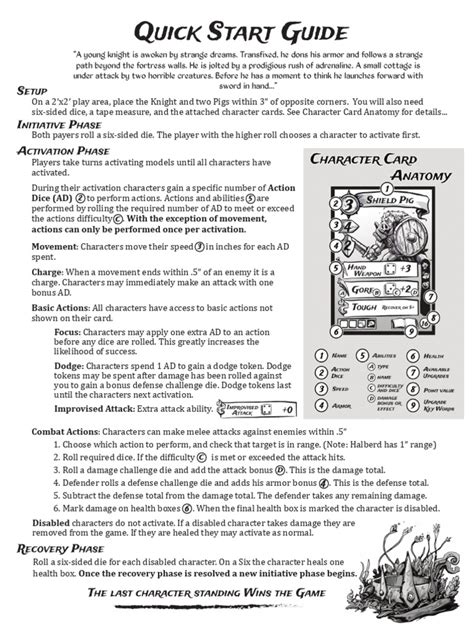
Best way for beginner game guides to explain core mechanics to new players?

The Importance of Effective Core Mechanic Explanations
For many new players, a game’s initial hours can be a make-or-break experience. Confusing tutorials or overly complex explanations of core mechanics can quickly lead to frustration and abandonment. A well-crafted beginner guide doesn’t just list controls; it illuminates the fundamental principles that govern gameplay, making the learning curve feel less like a wall and more like a gentle slope.
The goal is to empower new players, giving them the confidence to understand why they’re doing what they’re doing, not just how. This understanding builds a solid foundation, allowing them to truly enjoy and master the game.
![[G] Nixia Bubblegum (New Eclipse Icons) by King-Lulu-Deer on DeviantArt](/images/aHR0cHM6Ly90czQubW0uYmluZy5uZXQvdGg/aWQ9T0lQLm1GcHpXejA2QWViMktWUTZad0JfOWdBQUFBJnBpZD0xNS4x.webp)
Start Simple, Build Progressively
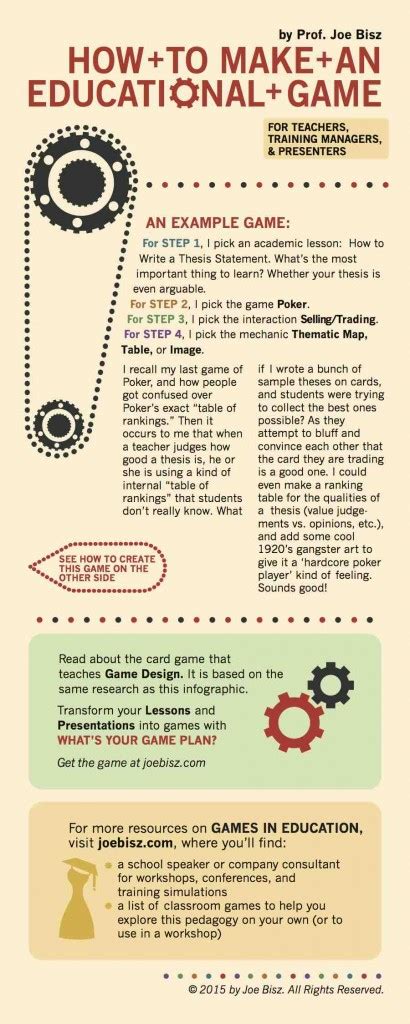
One of the most common mistakes in beginner guides is front-loading too much information. New players are often overwhelmed by a deluge of stats, systems, and intricate relationships. Instead, guides should adopt a ‘start simple, build progressively’ philosophy:
- Identify the absolute essentials: What are the 2-3 core actions or concepts a player needs to understand to complete the first basic task? Focus solely on these initially.
- Introduce concepts contextually: Explain a mechanic right before or as the player is about to encounter it in the game. Theoretical explanations without immediate practical application are easily forgotten.
- Layer information: Once a basic mechanic is understood and practiced, then introduce its nuances, advanced applications, or how it interacts with other systems. Think of it like adding layers to an onion, one by one.
Use Clear Language and Analogies
Jargon is a killer for new players. Avoid game-specific terminology where simpler, more universal language can be used, especially in initial explanations. If game-specific terms are unavoidable, define them clearly and consistently the first time they appear. Analogies can be incredibly powerful for bridging the gap between an unfamiliar game mechanic and a player’s existing knowledge. Comparing a complex system to something familiar from real life or another game genre can instantly make it more comprehensible.
For example, explaining a ‘crafting queue’ by comparing it to a ‘production line’ or a ‘cooldown timer’ to ‘waiting for your ability to recharge’ can be highly effective.
Visual Aids and Practical Examples are Key
Humans are highly visual learners. Text-only explanations of complex mechanics can be dry and hard to follow. Incorporate visuals wherever possible:
- Screenshots/Diagrams: Show, don’t just tell. A screenshot highlighting a specific UI element, a diagram illustrating a combat flow, or a map showing key locations can clarify concepts instantly.
- GIFs/Short Videos: For mechanics involving timing or motion (e.g., parrying, combo execution, movement abilities), short animated clips are far more effective than written descriptions.
- Step-by-Step Examples: Walk the player through a complete scenario. Don’t just explain how to cast a spell; provide an example of when and why to cast it, perhaps against a specific enemy type.
Encourage Experimentation and Provide Feedback
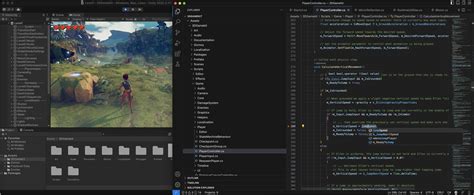
A good guide doesn’t just dictate; it invites interaction. After explaining a core mechanic, encourage the player to try it out. Suggest simple challenges or exercises they can perform within the game world to solidify their understanding. Crucially, the guide should also help players interpret the feedback the game provides. Explain what different UI elements mean, how damage numbers are calculated, or what sound cues signify. This empowers players to learn from their own actions and mistakes, fostering a deeper, more intrinsic understanding.

Common Pitfalls to Avoid
While striving for clarity, be mindful of common traps:
- Over-explaining: Sometimes less is more. Don’t detail every single edge case or advanced tactic when introducing a basic concept.
- Inconsistent Terminology: Stick to the same names for mechanics, items, and characters throughout the guide.
- Ignoring Player Agency: Focus on empowering the player to make choices, not just follow instructions. Explain the ‘why’ behind actions.
- Assuming Prior Knowledge: Never assume a new player understands any game conventions, even those common in similar genres.

Conclusion
Crafting an effective beginner guide for game mechanics is an art. It requires empathy for the new player’s perspective, a clear understanding of the game’s core loops, and a commitment to progressive, contextual learning. By starting simple, using clear language and visuals, and encouraging active participation, guides can transform the daunting initial hours into an exciting journey of discovery, laying the groundwork for players to truly connect with and enjoy the game for the long haul.