Best tips for beginner game guides to simplify complex mechanics quickly?

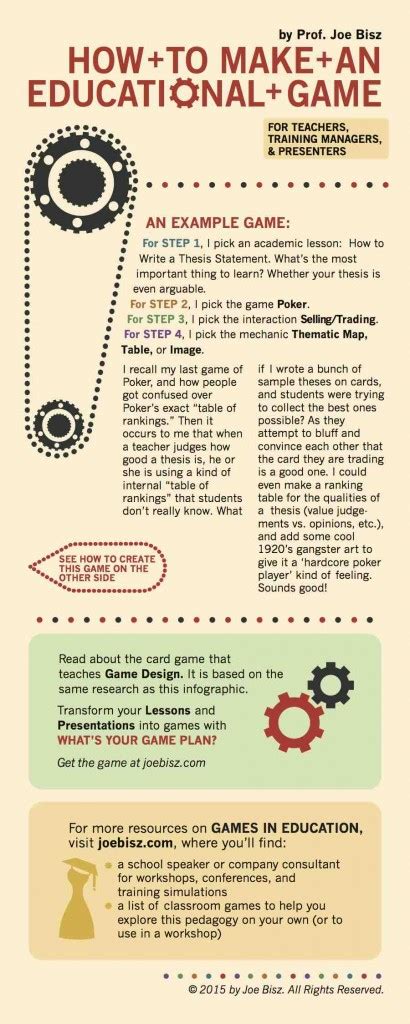
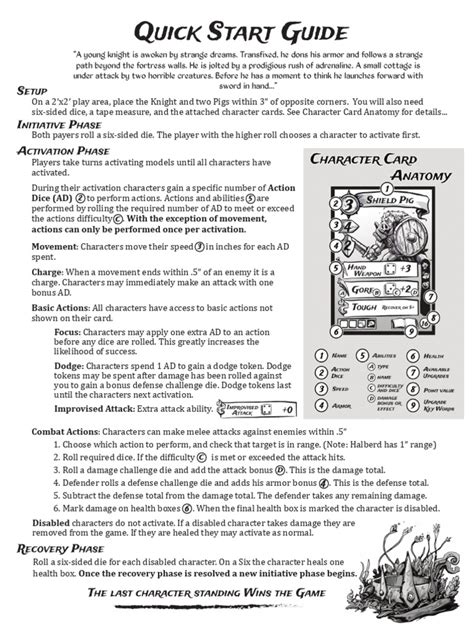
Creating a beginner-friendly game guide is an art form, especially when the game features intricate systems and mechanics that can overwhelm new players. The goal is to demystify complexity, not just explain it. This article will equip you with the best tips to craft guides that simplify complex game mechanics quickly and effectively, ensuring your audience grasps core concepts without getting lost in the details.
Understand Your Audience’s Starting Point
Before you even begin writing, put yourself in the shoes of a complete novice. What assumptions are they making? What jargon might confuse them? A beginner guide should assume zero prior knowledge of the game, or even the genre. Avoid insider terminology or acronyms without first clearly defining them. Tailor your language to be accessible, patient, and encouraging, focusing on building a foundational understanding.
Break Down Complexity into Bite-Sized Chunks
The most crucial strategy for simplifying complex mechanics is to dissect them into their smallest, most manageable components. Instead of explaining an entire skill tree at once, focus on one branch, one skill, or even one interaction at a time. Introduce concepts incrementally, building on previously understood information. This prevents information overload and allows players to absorb each piece before moving to the next.
Utilize Analogies and Real-World Comparisons
One of the most powerful tools for simplifying the unfamiliar is relating it to the familiar. Use analogies or metaphors that draw parallels between complex game mechanics and everyday concepts. For example, explaining a game’s resource management system by comparing it to managing a household budget, or a combat combo system to learning dance steps, can make abstract ideas immediately relatable and easier to grasp.
Show, Don’t Just Tell: Visual Aids are Essential
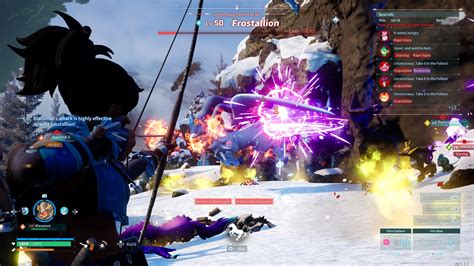
Text alone often isn’t enough when dealing with visual or spatial mechanics. Incorporate plenty of screenshots, diagrams, flowcharts, or even short animated GIFs or video clips. Visual aids can illustrate button presses, combat sequences, inventory management, or intricate map layouts far more effectively than paragraphs of text. Annotate images with highlights and arrows to draw attention to key elements.

Provide Practical, Step-by-Step Examples
After explaining a mechanic, immediately follow up with practical, step-by-step examples of how it’s applied in the game. Don’t just explain what ‘crafting’ is; walk the reader through crafting their very first item, from gathering resources to clicking the final button. These walkthroughs solidify understanding by demonstrating the mechanic in action, giving players a blueprint to follow.
Focus on the ‘Why’ Before the ‘How’
Players are more likely to engage with and remember a mechanic if they understand its purpose and benefit. Before diving into the intricate ‘how-to’s, briefly explain *why* this mechanic is important in the game. Does it provide a significant advantage? Is it crucial for progression? Knowing the ‘why’ provides context and motivation to learn the ‘how’.
Encourage Hands-On Practice and Experimentation
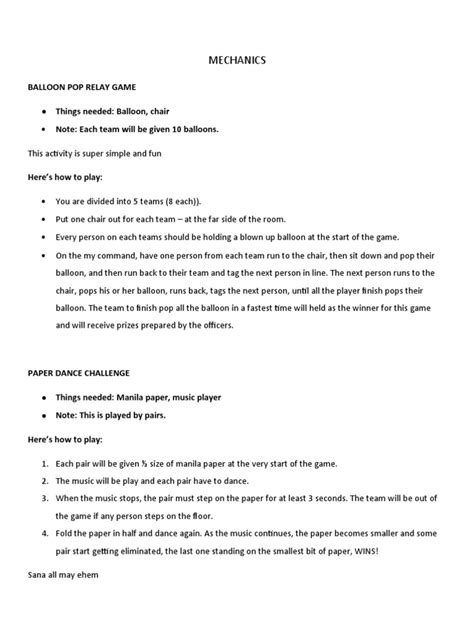
A guide is a starting point, not the end. Encourage your readers to immediately try out the mechanics they’ve just learned. Suggest simple practice scenarios or challenges within the game. For instance, after explaining basic combat, suggest they go fight a specific, low-level enemy to practice their new skills. Learning by doing is incredibly effective for retention.
Iterate and Gather Feedback
Your first draft might not be perfect. Share your guide with actual beginners and observe where they struggle. Ask specific questions: “Was this section clear?” “Did you understand this diagram?” Use their feedback to refine your explanations, add more visuals, or rephrase confusing sentences. Continuous iteration will significantly improve the clarity and effectiveness of your guide.
Conclusion
Simplifying complex game mechanics for beginner guides requires empathy, clear communication, and strategic presentation. By breaking down concepts, using relatable analogies, leveraging strong visual aids, and encouraging hands-on practice, you can transform daunting game systems into enjoyable learning experiences. Your goal isn’t just to inform, but to empower new players to confidently engage with and master their chosen game.