Best tactic to start deal negotiation without lowballing?
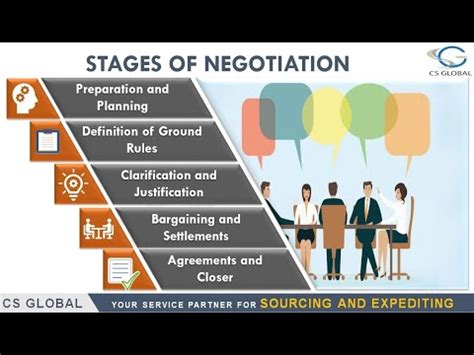
Starting a negotiation can feel like walking a tightrope. You want to secure the best possible terms, but you also want to maintain a positive relationship and avoid the cardinal sin of lowballing. A lowball offer can insult the other party, shut down communication, and damage trust before the conversation even truly begins. So, how do you open a negotiation effectively without immediately undervaluing what’s on the table?
The Power of Preparation and Research
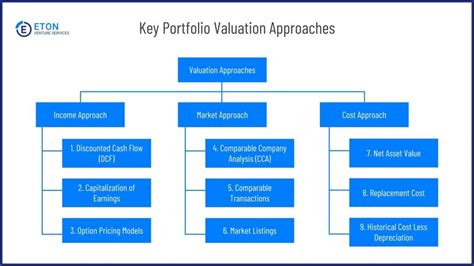
The most effective way to kick off a negotiation fairly is to be thoroughly prepared. Before you even think about an opening offer, invest time in understanding the true market value of the item, service, or asset in question. This involves comprehensive research into comparable deals, industry standards, and any unique factors that might influence its worth. What have similar items sold for recently? What are the common price ranges for this type of service? Gathering this data provides you with a solid foundation for a credible opening.
Don’t Just Estimate, Justify Your Valuation
Once you have a clear understanding of the market, you can formulate your own internal valuation. This isn’t just a number you pull out of thin air; it’s a value you can confidently justify. Consider factors like condition, age, features, scarcity, and potential for future growth or depreciation. If you’re negotiating for a service, think about the expertise, time commitment, and unique benefits provided. Your opening offer, while it shouldn’t be a lowball, also shouldn’t be your absolute maximum. It should be a well-reasoned initial proposal that leaves room for movement.
Anchoring High (But Realistically)
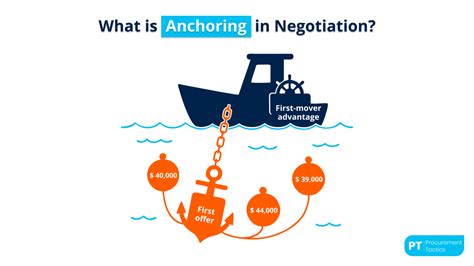
In negotiation, the first offer often acts as an “anchor” that influences the rest of the discussion. While you want to avoid lowballing, you also don’t want to anchor too low. A strategic approach is to make an opening offer that is ambitious but still within a justifiable range based on your research. This demonstrates your seriousness and knowledge, allowing you to set the tone for a constructive discussion. Present your offer with confidence, referencing your research or the value you’ve identified.
Focus on Value, Not Just Price
When presenting your opening, shift the focus from merely stating a price to explaining the value you perceive or the benefits you are seeking. Frame your offer in terms of what it means for both parties. For instance, if you’re buying, highlight how your purchase offers a quick, hassle-free transaction for the seller. If you’re selling, emphasize the unique features or long-term advantages your product/service provides. This broader perspective helps to elevate the conversation beyond a simple monetary exchange.

The Art of the Open-Ended Question
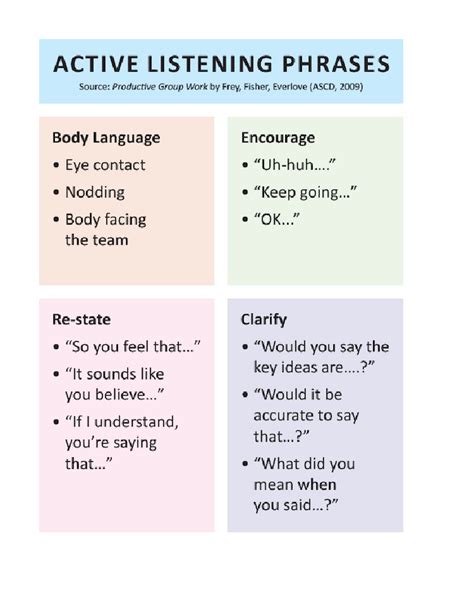
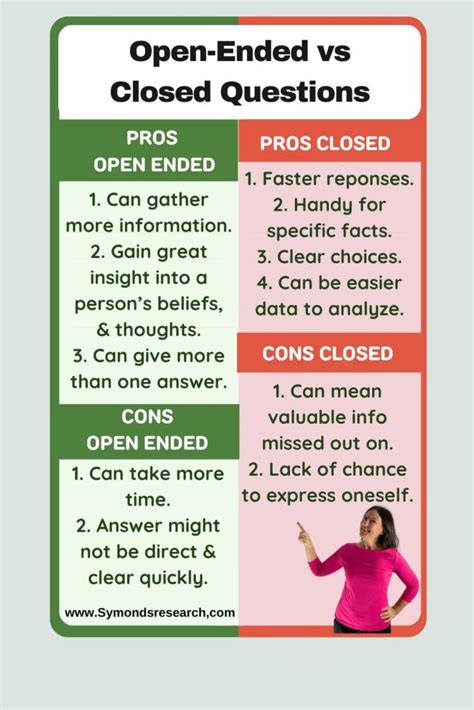
Sometimes, the best way to start isn’t with an offer at all, but with an intelligent question. Instead of throwing out a number, you might ask, “Based on [X, Y, Z factors], what do you believe is a fair starting point for discussion?” or “Could you share your perspective on the value this brings, given [market conditions/our needs]?” This approach invites the other party to state their position first, giving you valuable insights and allowing you to adjust your subsequent offer accordingly, always aiming for fairness.
Be Ready for the Counter-Offer
A successful negotiation is rarely a one-and-done process. Your opening is just the first move in a strategic dance. Be prepared for a counter-offer, and view it as a positive sign that the other party is engaged. Listen carefully to their justification, and use it to refine your own understanding and subsequent responses. The goal is to find common ground and reach a mutually beneficial agreement, not to “win” at all costs by devaluing the other side.

Conclusion
Starting a deal negotiation without lowballing is about respect, preparation, and strategic communication. By thoroughly researching market value, anchoring your initial offer realistically, focusing on mutual value, and approaching the dialogue with an open mind, you set the stage for a productive negotiation. This not only increases your chances of securing a favorable deal but also helps to build a foundation of trust and respect that can benefit future interactions.