Best Switch SD card for optimal game storage & speed?
Why Your Nintendo Switch Needs a MicroSD Card
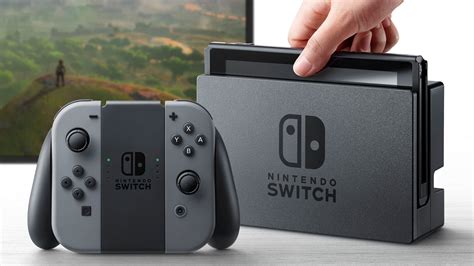
The Nintendo Switch, with its modest 32GB (or 64GB for OLED) internal storage, quickly fills up with digital game downloads, updates, and screenshots. While physical game cartridges are great, many popular titles are digital-only or require significant update files. An external microSD card is not just an upgrade; it’s a necessity for any serious Switch gamer looking to expand their library without constant game deletions and re-downloads.

Key Factors When Choosing a Switch SD Card
Not all microSD cards are created equal, especially when it comes to gaming. Here’s what to look for to ensure optimal performance and storage for your Switch:
1. Capacity: How Much Storage Do You Need?
This is arguably the most crucial decision. Consider your gaming habits. Do you mostly buy physical games, or are you a digital-first gamer?
- 128GB: A good starting point for casual gamers or those who mostly buy physical. It offers a significant boost from internal storage.
- 256GB: The sweet spot for most gamers. It provides ample space for a sizable digital library without breaking the bank.
- 512GB: Ideal for avid digital collectors or those who want to future-proof their console for years to come.
- 1TB or more: For the ultimate digital library. While expensive, these cards offer unparalleled freedom from storage concerns.
2. Speed: UHS-I, U1/U3, and A1/A2 Ratings
The speed of your microSD card directly impacts game loading times, update installations, and overall system responsiveness. For the Nintendo Switch, you need a UHS-I (Ultra High Speed Phase I) compatible card.
Within UHS-I, look for these ratings:
- Speed Class (C10): Indicates a minimum write speed of 10 MB/s. Essential for smooth game performance.
- UHS Speed Class (U1 or U3): U1 guarantees a minimum write speed of 10 MB/s, while U3 guarantees 30 MB/s. While U3 is faster, the Switch itself often can’t fully utilize speeds beyond U1 for games.
- Application Performance Class (A1 or A2): A1 cards are optimized for running apps, offering better random read/write performance. A2 cards offer even better performance but might be overkill for the Switch, as the console may not fully leverage their advanced capabilities. An A1-rated card is usually sufficient and offers a great balance of performance and price for the Switch.
3. Brand Reliability
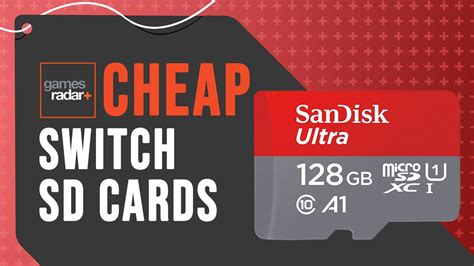
Stick to reputable brands to ensure reliability, durability, and warranty support. Popular and trusted brands include SanDisk, Samsung, Lexar, and PNY.
Top Recommendations for Your Nintendo Switch
Based on performance, reliability, and value, these microSD cards consistently rank as top choices for Nintendo Switch owners:
SanDisk Ultra/Extreme microSDXC (A1/A2)
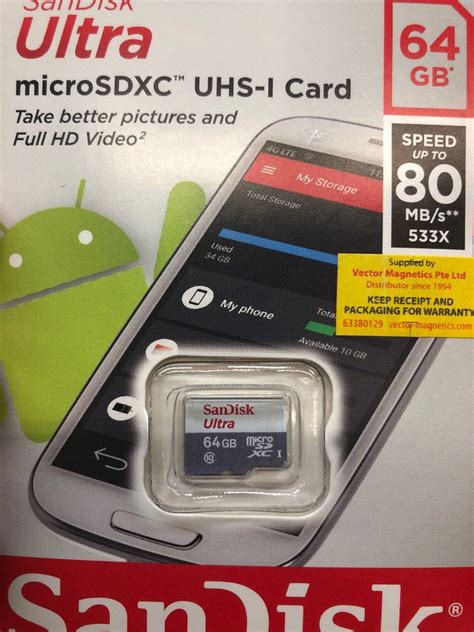
SanDisk is an official partner with Nintendo, offering branded Switch SD cards. However, their standard SanDisk Ultra or Extreme microSDXC cards (especially A1 or A2 rated) provide excellent performance and value. They are known for their reliability and consistently good read speeds, which are crucial for quick game loading.
- Pros: Excellent read speeds, highly reliable, widely available, good value.
- Cons: Write speeds can sometimes be lower than premium options, but still sufficient for Switch.
Samsung EVO Select/Plus microSDXC (A2)
Samsung’s EVO Select and EVO Plus lines are fantastic alternatives, often competing directly with SanDisk in terms of performance and price. The EVO Select (often Amazon exclusive) provides strong read and write speeds, while the EVO Plus offers even more robust performance, especially with A2 ratings.
- Pros: Strong read/write speeds, excellent reliability, good warranty.
- Cons: Can sometimes be slightly pricier than comparable SanDisk options.
Lexar PLAY microSDXC (A2)
The Lexar PLAY series is specifically designed for gaming and offers impressive read speeds and A2 performance. It’s a strong contender for those looking for dedicated gaming-optimized storage.
- Pros: Optimized for gaming, high read speeds, A2 rating.
- Cons: May be less widely available than SanDisk or Samsung.

Installation and Formatting Your New SD Card
Installing a microSD card in your Switch is straightforward:
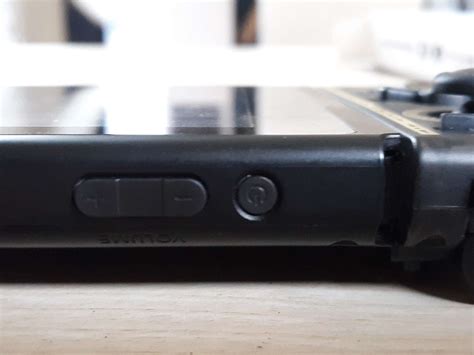
- Power Down: Completely turn off your Nintendo Switch. Do not just put it to sleep.
- Insert Card: Open the kickstand on the back of the console to reveal the microSD card slot. Insert the card with the label facing away from the console until it clicks into place.
- Power On: Turn your Switch back on.
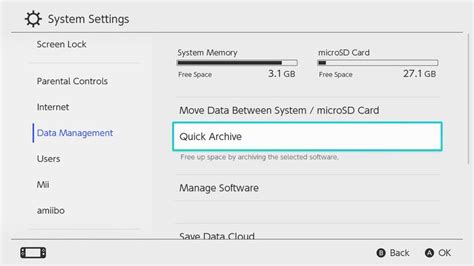
- Format (If Needed): Your Switch will automatically detect the new card. If it’s a brand new card, the system may prompt you to format it, or you can do so manually via System Settings -> Data Management -> Format microSD Card. This erases all data on the card and optimizes it for your Switch.
Conclusion: Choose Wisely for Enhanced Gaming
Upgrading your Nintendo Switch’s storage with a high-quality microSD card is one of the best investments you can make to enhance your gaming experience. By prioritizing reputable brands and looking for at least a 256GB card with a UHS-I U1/A1 rating, you’ll ensure fast loading times and plenty of space for all your adventures. Whether you choose a SanDisk, Samsung, or Lexar, a well-chosen SD card means more gaming and less worrying about storage limits.