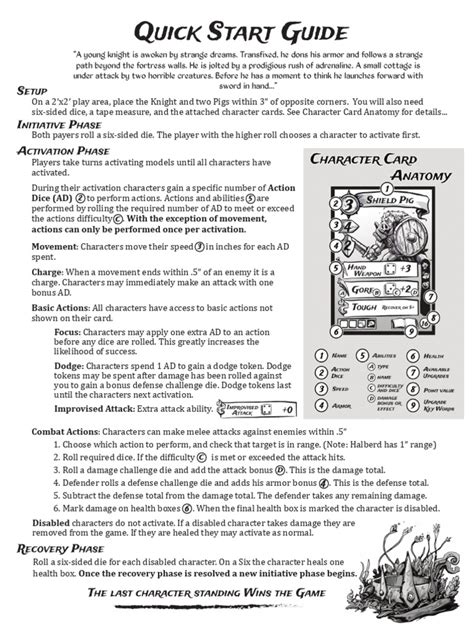
Best structure for a game’s ‘first play’ guide to prevent new player overwhelm?

The first few minutes a new player spends in your game are critical. It’s when they decide if they’ll invest hours into your creation or abandon it altogether. A poorly designed ‘first play’ guide, packed with too much information too soon, can lead to overwhelming confusion and frustration, driving potential loyal fans away. The goal isn’t just to teach them how to play, but to make them want to play.
Understanding New Player Overwhelm
New player overwhelm typically stems from information overload, a lack of clear objectives, or unintuitive controls. Players are often dropped into complex systems without adequate context, expected to absorb dozens of mechanics simultaneously. An effective first-play guide counters this by carefully curating and sequencing information, focusing on immediate relevance and gradual skill acquisition.
Core Principles for an Effective First Play Guide
- Minimalism: Only teach what’s absolutely necessary to get started and feel progress.
- Contextualization: Introduce mechanics exactly when and where they become relevant, not in a dry manual.
- Gradual Pacing: Unveil complexity incrementally. Think of it as peeling an onion, layer by layer.
- Immediate Application: Players learn by doing. Give them opportunities to practice new skills immediately after learning them.
- Positive Reinforcement: Celebrate small victories and progress to encourage continued engagement.
The Optimal First Play Guide Structure
Phase 1: The Absolute Essentials (The Hook)
Start with the bare minimum. What are the core controls? What is the immediate objective? This phase should be interactive and brief, getting players into the action almost instantly. Focus on movement, basic interaction, and the very first goal. This is about establishing a foundational understanding and demonstrating the game’s immediate appeal.

Phase 2: Gradual Mechanic Introduction
Once players grasp the absolute basics, introduce one new core mechanic at a time. This could be combat, crafting, resource gathering, or special abilities. Each introduction should be followed by a small, guided scenario where the player can immediately apply and practice the new skill in a safe, controlled environment. Avoid explaining all nuances at once; focus on the primary function.

Phase 3: Contextualized Learning and Guided Exploration
As players accumulate a few basic mechanics, transition from explicit instructions to guided exploration. Present them with a slightly more open-ended challenge that requires combining previously learned skills. Offer gentle hints or visual cues rather than direct commands. This phase builds confidence and shows players how mechanics interact within the game world.

Phase 4: Empowering the Player and Resource Signposting
Finally, set the player free. Provide a clear objective for their next steps, but allow them agency in how they approach it. Crucially, signpost where they can find more information (e.g., in-game codex, help menu, online resources) for advanced mechanics or forgotten instructions. The goal here is to shift from teaching to enabling, trusting the player to seek information when they need it.

Conclusion: Pacing is Paramount
A well-structured ‘first play’ guide isn’t about dumping information; it’s about artful pacing and progressive revelation. By breaking down complexity into manageable chunks, providing immediate opportunities for practice, and empowering players to explore at their own pace, you can transform potential frustration into lasting engagement. Remember, the best guide is often the one that feels least like a guide, subtly nudging players toward mastery rather than dictating it.