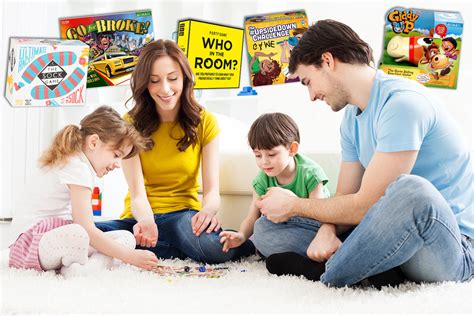
Best strategies for choosing cozy family games that truly engage *all* ages & skill levels?

Finding that perfect family game can often feel like a quest – one that promises shared laughter and cherished memories but sometimes delivers only mismatched expectations and short attention spans. The secret to truly engaging *all* ages and skill levels lies not just in the game itself, but in a thoughtful approach to selection. Let’s explore the best strategies to ensure your next family game night is a resounding success, bringing everyone to the table with enthusiasm.
Understand Your Family’s Unique Landscape
Every family is a unique ecosystem of personalities, preferences, and developmental stages. Before diving into game reviews, take a moment to assess what makes your family tick. Consider the youngest player’s attention span, the oldest’s desire for strategic depth, and everyone’s general interests.
Diverse Interests and Attention Spans
Do you have a mix of quiet thinkers and boisterous extroverts? Some games cater better to one type than the other. Look for games that offer different roles or paths to victory, allowing various personalities to shine. For younger children or those with shorter attention spans, quick turns and clear objectives are crucial. For older players, the opportunity for deeper planning can be highly satisfying.

Key Game Characteristics for Universal Appeal
Once you have a sense of your family’s profile, you can start looking for games that possess certain attributes known to foster broad engagement.
Simple Rules, Deep Strategy (or “Easy to Learn, Hard to Master”)
This is the holy grail of family gaming. Games like Ticket to Ride, Catan, or even many modern card games boast rules that can be taught in minutes but offer layers of strategic depth that keep adults interested. This balance ensures newcomers aren’t overwhelmed while seasoned players find plenty to chew on.
Cooperative vs. Competitive Play
Consider the dynamic you want to create. Cooperative games, where everyone works together against the game itself (e.g., Pandemic, Forbidden Island), are excellent for reducing sibling rivalry and fostering teamwork. They ensure no one feels singled out for losing. Competitive games can be fun too, but ensure they have catch-up mechanics or aren’t too punishing for less experienced players.

Engaging Themes and Art
A captivating theme can draw everyone in, regardless of the mechanics. Whether it’s building a fantastical kingdom, exploring ancient ruins, or collecting cute animals, a theme that resonates with your family’s imagination makes the game experience far more immersive. Likewise, appealing artwork can make a game more inviting and easier to understand, especially for visual learners and younger players.
A good theme can often bridge the gap between different age groups, providing a common narrative thread that everyone can enjoy and discuss, even outside of active gameplay. Look for themes that spark imagination and curiosity, rather than relying on complex lore.

Variable Difficulty or Modular Play
Some games come with built-in mechanisms to adjust difficulty. This might include different starting setups, optional advanced rules, or expansion modules that can be added or removed. These features allow you to tailor the experience to your specific group on any given night, ensuring the game remains challenging enough for adults without frustrating younger players.
Another aspect of flexibility is games that allow for different playtimes. Sometimes you want a quick 20-minute filler, other times a sprawling 90-minute epic. Having options that can adapt to the family’s schedule and energy levels is invaluable.

Test, Adapt, and Embrace the Journey
Even with the best strategies, sometimes a game just doesn’t click. Don’t be afraid to experiment.
Watch Reviews and Playthroughs
Before buying, watch video reviews or “how to play” videos. This gives you a much better sense of the game’s flow and complexity than just reading the box. Look for reviews that specifically mention family play or how it scales with different age groups.
Don’t Be Afraid to House Rule
Remember, games are meant to be fun! If a particular rule isn’t working for your family, or if one player is struggling, don’t hesitate to implement “house rules.” This could mean simplifying certain mechanics for younger players, allowing extra “undo” moves, or even playing team-based if the competitive aspect is too intense. The goal is engagement, not strict adherence to the rulebook.
Sometimes, simply rotating who helps teach new games can make a big difference, allowing everyone to feel included in the learning process and reducing pressure on any single individual.

Conclusion
Choosing the right cozy family game is an art, not a science. By understanding your family’s unique needs, prioritizing games with accessible rules and engaging features, and being flexible with how you play, you’re well on your way to countless memorable game nights. The true win isn’t just finishing a game, but the shared laughter, conversation, and connection it fosters among loved ones. So gather your family, pick a game, and let the good times roll!