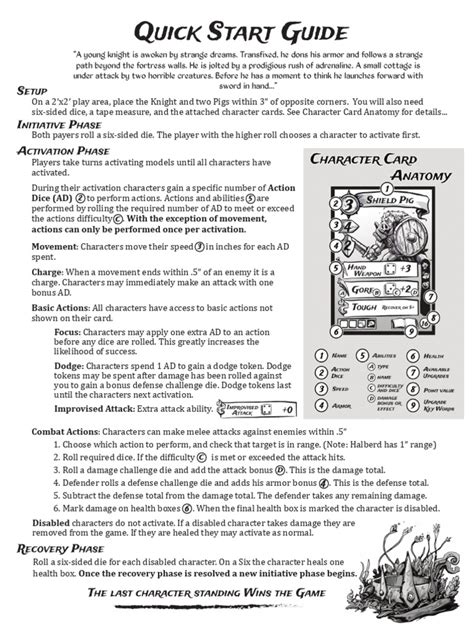
Best ‘first 5 mins’ guide structure for complex games?
For many gamers, the initial moments with a new title determine whether they’ll dive deep or quickly bounce. This phenomenon is amplified in complex games – RPGs, grand strategy, intricate simulators – where an overwhelming deluge of information can quickly deter even the most eager player. The ‘first 5 minutes’ aren’t just an introduction; they’re a critical onboarding experience, a carefully choreographed dance designed to hook, teach, and retain. But what’s the optimal structure for these crucial first steps?
The Core Challenge: Overwhelm vs. Engagement
Complex games inherently boast layers of mechanics, intricate systems, and deep lore. The temptation for developers is often to explain everything upfront, leading to lengthy tutorials, dense UI explanations, or unskippable lore dumps. This approach, however, often backfires. New players crave agency and a sense of progress, not a textbook. The challenge lies in distilling the essential, immediate actions from the vast ocean of potential, guiding them without suffocating them.
Pillars of an Effective ‘First 5 Mins’ Guide
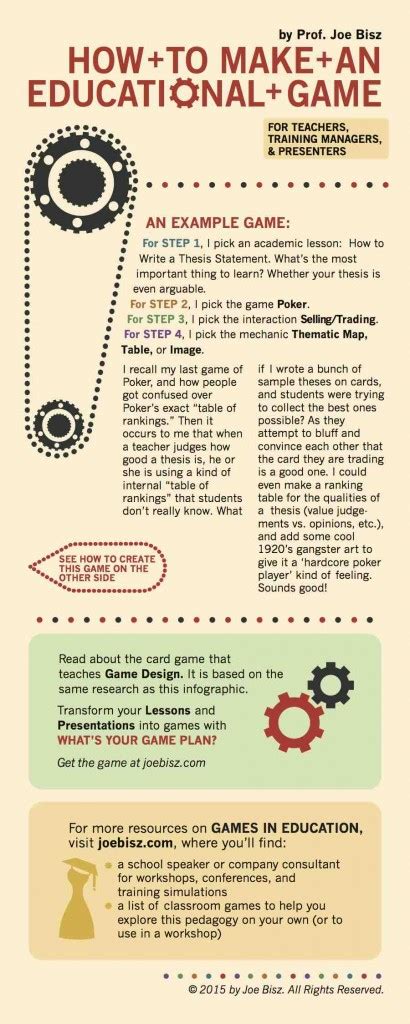
A successful first-five-minutes guide prioritizes ‘doing’ over ‘reading’, focusing on immediate gratification and a clear path forward.
1. Immediate Agency & Core Loop
Get the player controlling something, anything, as quickly as possible. The goal is to introduce the most fundamental, repeatable action-reward loop of the game. This might be moving and interacting with an object, performing a basic attack, or simply understanding navigation. Avoid introducing menus, stats, or advanced systems here. Let them feel the game’s primary interaction model.

2. Clear, Actionable First Objective
Present a single, unambiguous goal that can be achieved within moments. This objective should serve as a practical demonstration of the core loop. Examples include: ‘Walk to the glowing objective marker’, ‘Pick up the sword’, or ‘Defeat this lone, weak enemy’. Success in this micro-goal builds confidence and provides a sense of accomplishment, encouraging them to proceed.

3. Contextual Information Delivery
Introduce mechanics and interface elements only as they become relevant to the current action. Instead of a pre-game tutorial explaining the entire UI, use subtle on-screen prompts or tooltips that appear when the player needs to use a specific button or understand an icon. This ‘just-in-time’ learning prevents cognitive overload and ensures information is immediately applicable.

4. The “Why” Not Just The “How”
While brevity is key, briefly communicating the purpose or benefit of an action can be highly motivating. Instead of just saying ‘Press E to attack’, a prompt like ‘Press E to attack and protect the villagers’ provides context and emotional weight. This connects early actions to the larger narrative or strategic goals, even in a miniature form.

5. Empowering Exploration & Next Steps
As the initial 5 minutes conclude, transition from strict hand-holding to guided exploration. Provide a slightly broader, yet still manageable, objective. This could be ‘Explore the immediate area for resources’ or ‘Find the next quest giver in the town square’. The aim is to give them a sense of direction while slowly ceding control, allowing them to experiment within a relatively safe zone.

Common Pitfalls to Avoid
- Information Dumps: Avoid large blocks of text, unskippable dialogue, or excessively long cinematics at the start.
- Lack of Control: Players want to *play*, not just watch or read. Ensure they have agency from the first second.
- Ambiguous Goals: ‘Figure out what to do’ is not a valid first objective for a complex game.
- Over-Explaining: Don’t explain every single stat or sub-menu in the first 5 minutes. Save advanced concepts for later.
Conclusion
The ‘first 5 minutes’ of a complex game are a delicate balancing act. By focusing on immediate agency, clear objectives, contextual learning, and a subtle hint of the ‘why’, developers can transform potential overwhelm into an engaging and empowering introduction. A well-structured guide doesn’t just teach mechanics; it builds confidence, fosters curiosity, and lays a solid foundation for a long-term player relationship, ensuring that players stick around to unravel the deeper complexities the game has to offer.