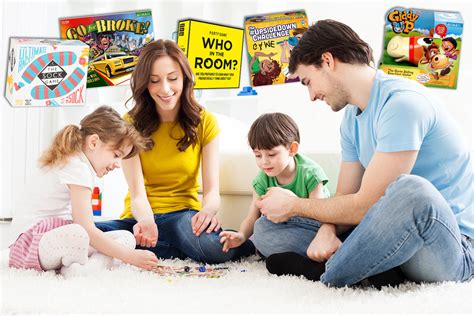
Best cozy family games for mixed ages under 10 for engaging screen-free fun?

In an increasingly digital world, carving out time for genuine, screen-free family fun is more important than ever. For families with children spanning various ages, especially those under 10, finding games that captivate everyone can be a delightful challenge. The goal is to discover “cozy” games – those that encourage connection, gentle competition, or cooperation, and create lasting memories without the glow of a screen.
Why Screen-Free Cozy Games Matter for Families
Stepping away from tablets and televisions opens up a world of benefits. These games enhance critical thinking, problem-solving skills, and social interaction. For younger children, they develop fine motor skills and number recognition. For older kids, they offer opportunities for strategic thinking and leadership. Most importantly, they build a shared experience, strengthening family bonds in a warm, low-pressure environment.
Cozy games are often about collaboration, simple rules, and creating an inviting atmosphere. They’re not just about winning or losing; they’re about the laughter, the shared effort, and the stories created around the table.

Top Picks for Mixed-Age Fun (Under 10)
1. Cooperative Adventures: Working Together
Cooperative games are fantastic for mixed ages as they eliminate individual competition, fostering teamwork and shared success. Everyone wins or loses together, making them perfect for building camaraderie.
- Hoot Owl Hoot! (Ages 4+): Players work together to help owls fly back to their nest before the sun rises. It’s simple, colorful, and teaches basic strategy and cooperation.
- Outfoxed! (Ages 5+): A whodunit game where players collaborate to find clues and identify the fox who stole Mrs. Plumpert’s pie before the fox escapes. It’s engaging and encourages deductive reasoning.
- Race to the Treasure! (Ages 5+): Another great cooperative game where players build a path to the treasure before the Ogre gets there. It’s a wonderful introduction to strategy and shared decision-making.

2. Simple Strategy & Classic Board Games
These games introduce basic strategic thinking in an accessible way, often with a good dose of luck to keep everyone in the running.
- Ticket to Ride: First Journey (Ages 6+): A simplified version of the popular train game, perfect for introducing route-building and gentle strategy without overwhelming young players. The goal is to connect cities with train cars.
- My First Stone Age (Ages 5+): A beautifully illustrated game where players gather resources to build huts, teaching resource management and planning in a fun, prehistoric setting.
- Animal Upon Animal (Ages 4+): A delightful stacking game that tests dexterity and patience. Simple rules make it accessible for the youngest players, while the challenge keeps older kids and adults engaged.

3. Engaging Card Games & Creative Play
Card games are portable and often quick to play, making them excellent for spontaneous fun. Creative games spark imagination and open-ended play.
- Uno (Ages 7+): A classic for a reason! Easy to learn, fast-paced, and always exciting. Even younger kids can join in with a little help matching colors and numbers.
- Sleeping Queens (Ages 8+): A unique and charming card game involving strategy, memory, and a touch of fantasy. It’s surprisingly engaging for its target age range and often enjoyed by adults too.
- Rory’s Story Cubes (Ages 6+): Not a competitive game, but a fantastic tool for sparking imagination. Players roll nine dice with images and create a story using the pictures. Great for language development and creative thinking.

Tips for Maximizing Screen-Free Fun
To ensure your family game nights are a hit, consider these tips:
- Set the Mood: Dim the lights, put on some gentle background music, and have snacks ready. Create a truly “cozy” atmosphere.
- Teach with Patience: Especially with mixed ages, be prepared to explain rules multiple times and offer gentle guidance without taking over.
- Focus on the Fun: Emphasize participation and enjoyment over winning. Celebrate effort and good sportsmanship.
- Rotate Game Masters: Let different family members take turns leading a game, even the younger ones with simpler roles.
- Start Simple: Introduce new games gradually, starting with simpler ones to build confidence before moving to more complex options.

Conclusion
Bringing families together around a table for a game is a timeless tradition that fosters connection, learning, and immense joy. With a thoughtful selection of cozy, screen-free games, you can create countless memorable moments for your mixed-age family, proving that the best entertainment often comes without a screen.