Best budget SD card for Nintendo Switch game storage?

The Nintendo Switch, while an incredible portable console, comes with a notoriously limited amount of internal storage. With only 32GB (or 64GB for the OLED model), which is quickly eaten up by system files and a few large game downloads, an additional microSD card is practically essential for any serious Switch owner. But with so many options on the market, how do you choose a reliable yet affordable card that won’t break the bank?

Understanding Nintendo Switch SD Card Requirements
Before diving into recommendations, it’s crucial to understand what kind of SD card your Switch needs and what specifications matter most. The Nintendo Switch uses microSD cards (specifically microSDHC or microSDXC). While the console supports cards up to 2TB, anything beyond 512GB or 1TB starts to move out of the ‘budget’ category for many users.
Speed is another critical factor. The Switch supports UHS-I microSD cards, with a maximum data transfer speed of 100 MB/s. While some cards boast faster UHS-II speeds, the Switch cannot fully utilize them, so there’s no need to pay extra for UHS-II cards. Look for cards with a ‘U1’ or ‘U3’ speed class (indicating minimum write speeds of 10MB/s and 30MB/s respectively) and a ‘V10’ or ‘V30’ video speed class. An ‘A1’ or ‘A2’ app performance class is also a good indicator of overall responsiveness.

Key Factors for Budget-Friendly SD Cards
When you’re aiming for the sweet spot between affordability and performance, keep these points in mind:
- Capacity vs. Price: Decide how much storage you realistically need. 128GB, 256GB, and 512GB are popular budget options that offer significant upgrades over the internal storage. Larger capacities like 1TB are becoming more affordable but are still a higher upfront cost. Look for the best price per gigabyte.
- Reputable Brands: Stick with well-known brands like SanDisk, Samsung, and Lexar. They generally offer better reliability, performance, and warranty support, even on their budget-oriented lines.
- Read Speeds: While write speeds affect how quickly games install or transfer, read speeds are more important for loading games and levels. Aim for at least 80-100 MB/s read speeds for optimal performance.
Top Budget SD Card Recommendations for Switch
SanDisk Ultra microSDXC Card
The SanDisk Ultra line is often the gold standard for budget-conscious consumers. These cards offer a great balance of speed (up to 100-120MB/s read speeds, U1/A1 rating) and affordability. They are widely available, frequently on sale, and come in capacities from 128GB up to 1TB. For most users, a 256GB or 512GB SanDisk Ultra will provide ample space and smooth performance without costing an arm and a leg.
Samsung EVO Select/Plus microSDXC Card
Samsung’s EVO Select and EVO Plus series are direct competitors to SanDisk Ultra. They also provide excellent performance (up to 130MB/s read, U1/A1 rating) and reliability at a competitive price point. Samsung cards are known for their durability and are another fantastic choice for your Switch, offering similar capacity options and often matching SanDisk’s sale prices.
Lexar Play microSDXC Card
Lexar Play cards are specifically designed with gamers in mind. They offer strong read speeds (up to 150MB/s read, U1/A1) and are often priced very competitively, especially in the 256GB to 512GB range. If you find a Lexar Play card at a good price, it’s a solid option that delivers the performance needed for your Switch games.

What to Avoid When Buying a Budget SD Card
While chasing a deal, be wary of certain pitfalls. Avoid unbranded microSD cards or those from unknown manufacturers, especially if the price seems too good to be true for a high capacity. These cards often have inflated capacity claims, slow speeds, or are prone to early failure. Also, be cautious of counterfeit cards sold through unofficial channels; always purchase from reputable retailers.
Installing and Managing Your Switch SD Card
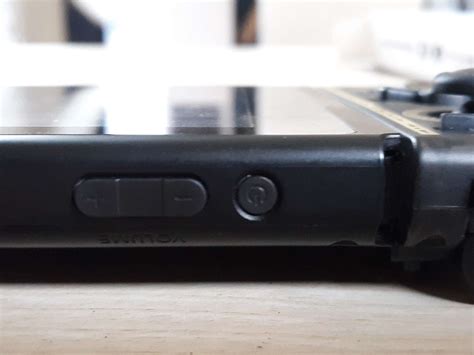
Installing your new microSD card is incredibly simple: power off your Switch, open the kickstand, and slide the card into the slot. The Switch will automatically format it. If you’re upgrading from an old card, you can typically transfer your data by copying the contents of the old card to your computer, then to the new card (though redownloading games is often simpler for large libraries).
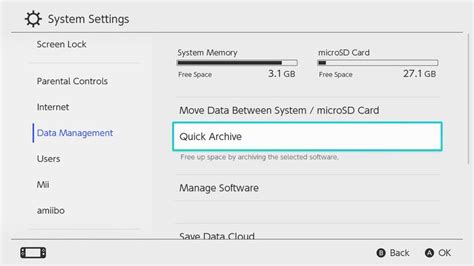
To manage your storage, go to System Settings > Data Management. Here you can see how much space is used and archive software to free up space, or move games between internal storage and the microSD card.

Conclusion
Expanding your Nintendo Switch storage doesn’t have to be expensive. By focusing on reputable brands like SanDisk, Samsung, or Lexar, and choosing a U1/A1 rated microSDXC card in the 256GB or 512GB range, you can significantly boost your game library capacity without compromising on performance. Keep an eye out for sales, and you’ll easily find a reliable and budget-friendly solution for all your Switch gaming needs.