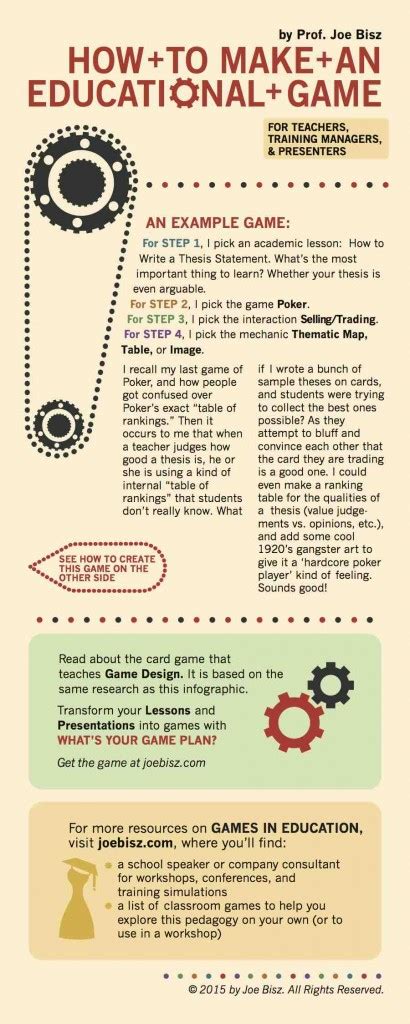
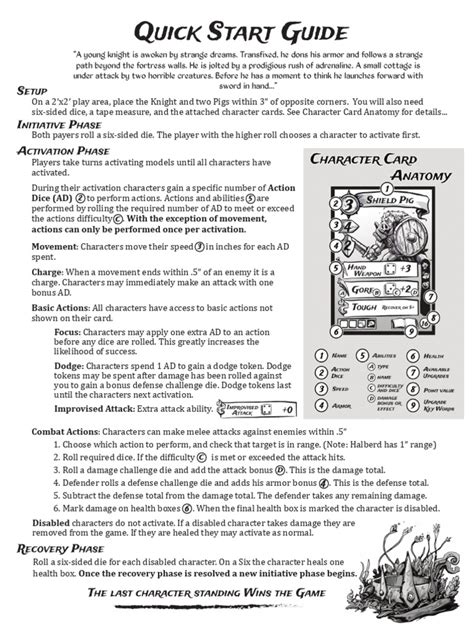
Beginner guides: How to simplify complex game mechanics for new players without jargon?

The Importance of Jargon-Free Explanation
Many video games feature intricate systems, deep strategic layers, and unique terminology that can feel like a foreign language to newcomers. For a new player, encountering a wall of complex mechanics explained with industry-specific jargon can be incredibly daunting, leading to frustration and, ultimately, them abandoning the game. Learning how to effectively simplify these complex mechanics without relying on insider terms is crucial for broader accessibility and player retention.
Understand Your Audience: They Are Not You
The first step in simplification is empathy. You, as an experienced player or developer, inherently understand the game’s systems. New players, however, have no such context. Avoid assuming they grasp basic concepts or common gaming tropes. Their perspective is a blank slate, and every piece of information needs to be presented clearly and from the ground up. Think about what you wished you knew when you first started.
Break It Down into Bite-Sized Pieces
Instead of overwhelming players with an entire system at once, introduce concepts incrementally. Start with the absolute core action or principle, ensure they understand that, and then gradually add layers of complexity.
Start with the Core Concept
Identify the single most fundamental idea behind a mechanic. For example, instead of explaining a full talent tree, explain how a single ‘ability’ works: “When you press this button, your character jumps. This helps you get over obstacles.”
Gradually Introduce Layers
Once the core is understood, introduce modifications or interactions. “Now, if you hold the jump button longer, you jump higher! This lets you reach even taller platforms.” Then, later: “Some items can make you jump even higher, like these special boots.” This builds knowledge organically.
Use Analogies and Real-World Examples
Connecting unfamiliar game mechanics to familiar real-world concepts is a powerful simplification tool. If a game has a ‘mana’ system, you might explain it as “your character’s energy for special moves, like how a car needs gas to drive.” A cooldown period could be “a waiting time before you can use an ability again, like waiting for a microwave to finish cooking.” These analogies create instant understanding without needing specialized terms.

Visual Aids and Interactive Tutorials
A picture is worth a thousand words, and an interactive experience is worth a thousand pictures. Instead of lengthy text descriptions, use visual cues: highlighted UI elements, animated demonstrations, or short in-game videos. Better yet, create guided tutorials where players physically perform the action being explained. Let them experience the mechanic firsthand in a low-stakes environment.
Emphasize “What It Does” Over “What It’s Called”
When introducing a new mechanic, prioritize its function and impact over its official name. For instance, instead of saying, “This is the ‘Crit Chance’ stat,” explain: “This number shows how often your attacks do extra damage.” The name can come later once the player understands its purpose. Focus on the ‘why’ and ‘how it affects you’ rather than the ‘what it is called’.
Hands-On Experience and Guided Practice
Theoretical knowledge only goes so far. New players learn best by doing. Provide opportunities for them to experiment with new mechanics in a safe, controlled environment. Design scenarios where they must apply a newly learned concept to progress, with gentle nudges and positive reinforcement. This active learning solidifies understanding far more effectively than passive reading.
Provide Clear, Concise Feedback
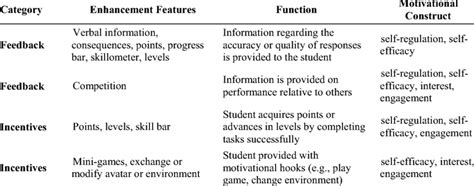
When a player performs an action, provide immediate and understandable feedback. If they succeed, explain why. If they fail, clearly show the consequence and hint at what they could do differently. Avoid vague messages; instead, aim for instructive explanations that reinforce the mechanic being taught.
Conclusion
Simplifying complex game mechanics for new players without jargon is an art form that prioritizes clarity, empathy, and progressive learning. By breaking down concepts, using relatable analogies, leveraging visuals, and focusing on function over names, you can transform what might be a daunting initial experience into an accessible and enjoyable journey for every newcomer. This approach not only helps individual players but also broadens a game’s appeal and fosters a more inclusive gaming community.