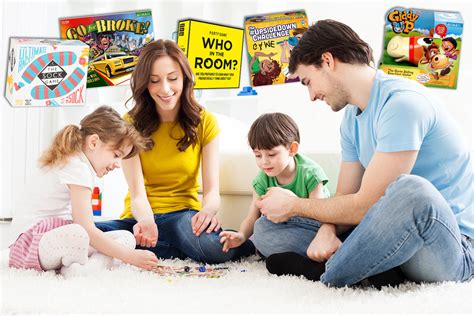
Actionable tips for finding truly cozy, low-stress family games kids and adults love?
The Quest for Unifying Fun: Why Cozy, Low-Stress Games Matter
Family game night is often envisioned as a time of laughter, bonding, and shared joy. Yet, for many, it can quickly devolve into competitive squabbles, confusing rule explanations, and general frustration. The good news? It doesn’t have to be that way. The secret lies in finding games that prioritize warmth, connection, and ease over intense competition or complex strategy. These are the truly cozy and low-stress family games that genuinely bring everyone together.

Defining “Cozy” and “Low-Stress” in Family Gaming
Before diving into specific tips, let’s clarify what we mean by these terms:
- Cozy Games: These games evoke a feeling of comfort, warmth, and togetherness. They often feature charming themes, gentle interaction, and encourage collaboration or shared experiences rather than cutthroat competition. The focus is on the journey and the shared moments.
- Low-Stress Games: These are games that are easy to learn, forgiving of mistakes, and don’t create high-stakes tension. They typically have straightforward rules, shorter playtimes, and minimize direct conflict or elimination. The goal is enjoyment, not anxiety.
When a game successfully blends these two elements, it transforms game night from a potential chore into a cherished family ritual.
Key Strategies for Finding Your Perfect Match
1. Prioritize Cooperative Gameplay
One of the most effective ways to reduce stress and foster coziness is to choose games where everyone works together against the game itself, rather than against each other. Cooperative games ensure that all players are on the same team, celebrating collective victories and learning from shared challenges. Look for titles like Pandemic: Hot Zone, Forbidden Island, or Outfoxed! (for younger kids).
2. Look Beyond Age Recommendations (But Don’t Ignore Them)
While age ranges on game boxes provide a useful starting point, they don’t tell the whole story. A game listed for 8+ might be simple enough for a bright 6-year-old or too complex for a child who struggles with certain concepts. Read reviews and watch playthrough videos to get a sense of the actual complexity. Conversely, some “kid games” have delightful mechanics that adults genuinely enjoy.

3. Read Reviews with a Critical Eye
When sifting through game reviews, pay attention to comments about:
- Family Interaction: Do reviewers mention positive conversations, laughter, or shared problem-solving?
- Stress Levels: Are there mentions of frustration, analysis paralysis, or high-pressure decisions? Avoid games that frequently lead to arguments.
- Re-playability: Does the game offer enough variety to keep it fresh for multiple plays?
- Setup/Teardown: Is it quick and easy, or a lengthy process that can deter spontaneous play?
4. Seek Out Simple Mechanics with Depth
Many fantastic cozy games have incredibly simple rules but offer interesting decisions. Card games, dice-rolling games, or tile-laying games often fit this description. They are easy to teach to various age groups and allow for strategy without being overwhelming. Think games like Sushi Go!, King Domino, or Qwixx.

5. Embrace Storytelling and Imagination
Games that encourage creativity and shared narrative are inherently cozy. Titles like Rory’s Story Cubes or Dixit spark imagination and allow players to connect through their own invented tales, making the experience personal and memorable without any competitive pressure.
6. Test Before You Invest
Board game cafes, local libraries with game lending programs, or friends who own a variety of games are excellent resources. Trying out a game before buying it is the best way to ensure it’s a good fit for your family’s unique dynamics and preferences.

Characteristics to Look For in Your Next Family Game
- Short Playtime: Games that can be completed in 15-45 minutes are ideal for maintaining engagement and fitting into busy schedules.
- Minimal Setup/Teardown: Less time spent organizing means more time playing.
- Inclusive for Various Skill Levels: Games where both experienced gamers and novices can enjoy and contribute.
- Opportunities for Conversation and Laughter: The best games facilitate interaction beyond just taking turns.
- Engaging Theme: A theme that resonates with your family can significantly enhance the game’s appeal.

Shifting the Mindset: It’s About the Experience
Ultimately, finding truly cozy, low-stress games also requires a shift in perspective. The goal isn’t necessarily to win, but to enjoy the shared experience, to laugh, to problem-solve together, and to create lasting memories. When you approach game night with this mindset, even a slightly imperfect game can become a source of joy.
Conclusion
The perfect family game exists, and it’s likely one that values connection over competition, simplicity over complexity, and warmth over intensity. By applying these actionable tips and focusing on the core elements of coziness and low-stress play, you can transform your family game nights into truly cherished moments that strengthen bonds and create happy memories for everyone.