Actionable tips for crafting engaging, easy-to-follow game beginner guides?

A great game might struggle to find its audience if new players are met with an impenetrable wall of mechanics and systems. Crafting an engaging, easy-to-follow beginner guide is crucial for player retention and overall game success. It’s not just about listing controls; it’s about inviting players into your world and empowering them to enjoy it. Here are actionable tips to help you design guides that truly resonate with newcomers.

Understand Your Audience: The Absolute Beginner
Before you write a single word, put yourself in the shoes of someone who knows absolutely nothing about your game, or even the genre. What are their potential frustrations? What basic concepts might they misunderstand? Avoid jargon, acronyms, or references that an experienced player would grasp instantly but a beginner wouldn’t.
- Assume Zero Knowledge: Explain everything from moving your character to opening the inventory.
- Focus on Core Mechanics First: Don’t overwhelm them with advanced strategies or nuanced systems immediately.
- Identify Pain Points: What are common early-game confusions? Address these proactively.
Start with the Absolute Basics, Incrementally
Think of teaching someone to swim: you don’t throw them into the deep end. Begin with fundamental interactions and gradually introduce complexity. This ‘crawl, walk, run’ approach builds confidence.
Guide players through the very first actions they need to take. This usually involves movement, basic interaction (like picking up an item or talking to an NPC), and understanding the primary objective. Each step should feel like a small victory.

Break It Down into Bite-Sized Chunks
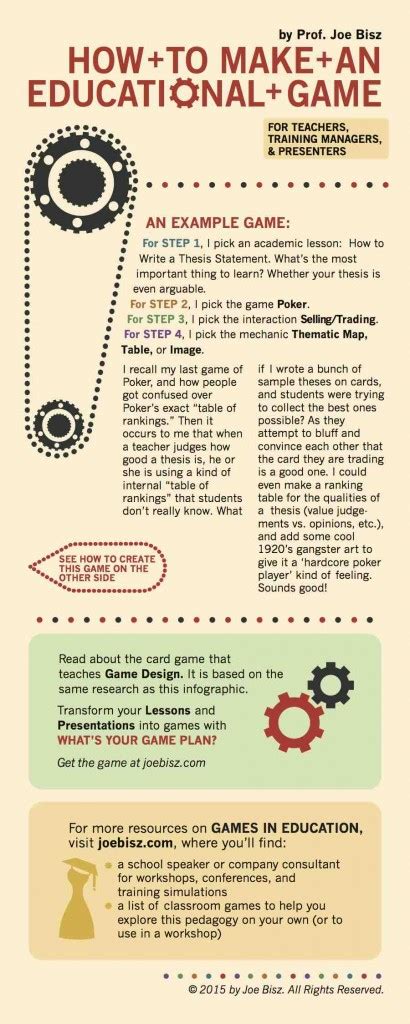
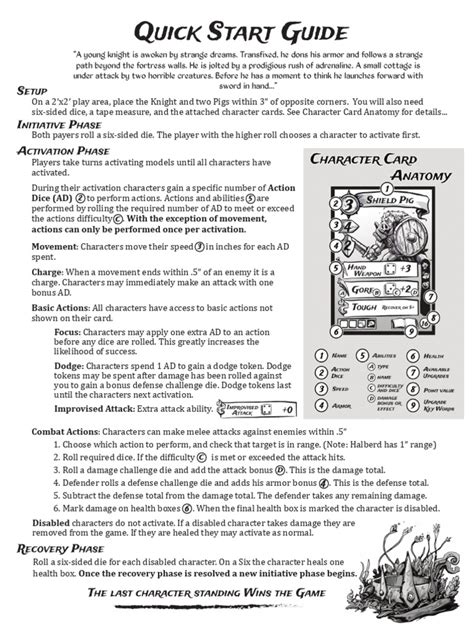
Long blocks of text or an overwhelming list of instructions can quickly disengage a new player. Segment your guide into manageable sections, each with a clear purpose.
- Short Paragraphs: Keep sentences and paragraphs concise.
- Bullet Points & Lists: Use these to highlight key information or steps.
- Clear Headings: Use headings and subheadings to break up content and make it scannable.
- One Concept Per Section: Ideally, each mini-section should teach one core idea or mechanic.
Use Visuals and Examples Effectively
Humans are highly visual creatures. What might take several sentences to explain can often be conveyed in a single image or short video clip. Visual aids are invaluable for game guides.
Screenshots, GIFs, or short video snippets demonstrating actions are far more effective than text alone. When describing a menu, show a picture of the menu with relevant options highlighted. When explaining a combat move, show it in action. Use arrows, circles, and highlights directly on your visuals to draw attention to important elements.

Encourage Practice and Reinforcement
Learning by doing is the most effective method, especially for games. Integrate opportunities for players to immediately apply what they’ve learned. This could be through simple quests, mini-challenges, or guided playtime.
Provide immediate, positive feedback when a player successfully completes a guided action. This reinforces good habits and encourages further exploration. Don’t just tell them; let them experience it and succeed.

Keep It Concise and to the Point
While thoroughness is important, respect the player’s time and attention span. Eliminate any unnecessary fluff or overly technical explanations. If a detail isn’t immediately essential for a beginner to play the game, save it for later, an advanced guide, or an in-game tooltip.
Test and Iterate with Actual Beginners
The guide you write might make perfect sense to you, the developer, but it’s crucial to test it with people who have never played your game. Observe their frustrations, where they get stuck, and what questions they ask. This feedback loop is invaluable for refining your guide.
Consider conducting usability tests with a diverse group of new players. Pay attention to how long it takes them to grasp concepts, whether they skip sections, and if they feel overwhelmed. Use their input to continuously improve clarity and engagement.
Conclusion
Crafting an engaging and easy-to-follow beginner guide is an art form that significantly impacts a game’s reach and longevity. By focusing on your audience, breaking down complexity, leveraging visuals, and encouraging hands-on practice, you can transform potential frustration into joyful discovery. A well-designed guide doesn’t just teach players; it welcomes them into your game’s community and sets them up for a rewarding experience.