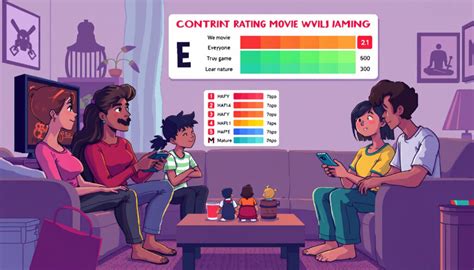





Actionable advice for parents on managing screen time & age-appropriate game choices?

Navigating the Digital Age: Screen Time and Game Choices for Kids
In today’s digitally saturated world, one of the biggest challenges parents face is managing their children’s screen time and ensuring they engage with age-appropriate content. The right balance can foster development, while excessive or unsuitable exposure can lead to negative impacts. This guide provides practical, actionable advice to help you strike that crucial balance.

Understanding Screen Time Guidelines
The first step is to familiarize yourself with general recommendations. While these are guidelines, they offer a good starting point:
- For children under 18 months: Avoid screen media use, except for video-chatting.
- For children 18-24 months: Parents should choose high-quality programming and watch it with their children to help them understand what they’re seeing.
- For children 2-5 years: Limit screen use to 1 hour per day of high-quality programming. Co-viewing is still encouraged.
- For children 6 and older: Place consistent limits on the time spent using media, and the types of media. Ensure screen time does not take the place of adequate sleep, physical activity, and other behaviors essential to health.
Setting Clear Boundaries and Rules
Consistency is key when it comes to managing screen time. Establish a family media plan that everyone understands and agrees upon.
- Create a Family Media Plan: Involve your children in creating rules about when, where, and for how long screens can be used. This fosters a sense of ownership and responsibility.
- Designate Screen-Free Zones and Times: Implement rules like ‘no screens during meals,’ ‘no screens in bedrooms,’ or ‘no screens an hour before bedtime.’ This promotes family interaction and better sleep.
- Use Timers and Parental Controls: Utilize built-in device timers or third-party apps to automatically limit usage. Parental control settings can restrict access to certain apps or content.
- Offer Alternatives: Don’t just take away screens; offer engaging alternatives like board games, outdoor play, reading, or creative arts.

Making Age-Appropriate Game Choices
Choosing the right games is as important as managing screen time. Not all games are created equal, and some can be detrimental to a child’s development.
- Understand Game Ratings: Familiarize yourself with rating systems like ESRB (Entertainment Software Rating Board) in North America or PEGI (Pan European Game Information) in Europe. These ratings provide guidance on age appropriateness and content descriptors (e.g., violence, language).
- Research Before Buying/Downloading: Don’t just rely on the rating. Read reviews, watch gameplay videos, and even try the game yourself if possible. Look for games that are educational, promote problem-solving, creativity, or physical activity (e.g., active video games).
- Prioritize Educational and Interactive Games: Opt for games that challenge thinking, foster creativity, or require strategic planning over purely passive or repetitive ones.
- Be Wary of In-App Purchases and Ads: Many free games come with aggressive in-app purchase prompts or inappropriate ads. Discuss these with your children and disable purchases if necessary.
- Consider Multi-Player Options: For older children, consider games that allow for positive social interaction with friends, but ensure you understand the communication features and potential risks.

Encouraging Balanced Activities
Screen time should be part of a balanced lifestyle, not the sole focus of your child’s free time.
- Promote Outdoor Play: Encourage activities like biking, sports, or simply playing in the park. Physical activity is crucial for physical and mental health.
- Foster Hobbies and Interests: Help your child discover passions beyond screens, such as reading, drawing, music, building models, or cooking.
- Prioritize Face-to-Face Interaction: Schedule family time for conversations, board games, or shared activities that don’t involve screens. These interactions are vital for social and emotional development.
- Ensure Adequate Sleep: Screen use, especially before bedtime, can disrupt sleep patterns. Stick to screen-free evenings.

Lead by Example and Maintain Open Communication
Children often mirror their parents’ behavior. Your own screen habits significantly influence theirs.
- Be a Role Model: Show your children that you can disconnect from your devices. Put your phone away during family meals or playtime.
- Discuss and Explain: Engage in open, ongoing conversations with your children about the importance of managing screen time, the content they consume, and the potential risks of online interactions.
- Co-View and Co-Play: When possible, watch shows or play games with your children. This allows you to monitor content, discuss what they’re seeing, and strengthen your bond.

Conclusion
Managing screen time and choosing appropriate games is an ongoing process that requires flexibility, consistency, and open communication. By setting clear boundaries, making informed choices, and fostering a balanced lifestyle, you can help your children develop healthy digital habits that will serve them well in an increasingly connected world. Remember, the goal isn’t to eliminate screens entirely, but to integrate them mindfully and constructively into your family’s life.