




How do we prevent information overload in game beginner guides for faster player onboarding?

The Silent Killer of New Player Engagement: Information Overload
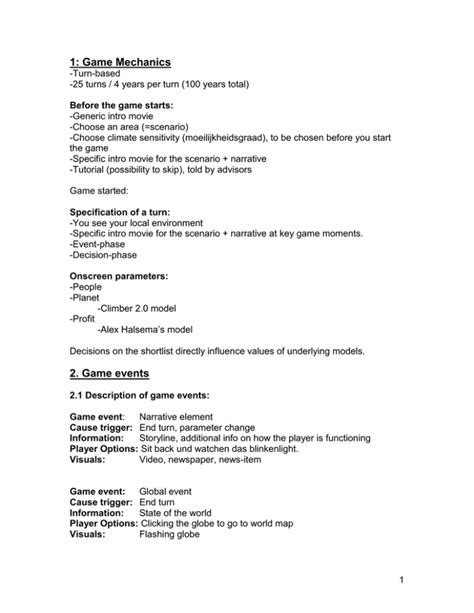
For many game beginners, the initial hours can be a make-or-break experience. While developers pour countless hours into creating rich worlds and complex mechanics, the way this information is presented to a novice can often lead to frustration rather than fascination. Information overload in beginner guides is a significant barrier to effective player onboarding, frequently causing new players to feel overwhelmed, confused, and ultimately, to abandon the game before truly experiencing its depth.

Why Less is More: Understanding the Impact of Overload
When new players are bombarded with a deluge of details—every button, every mechanic, every lore tidbit—their cognitive load rapidly increases. This isn’t just about reading; it’s about processing, understanding, and applying new concepts under pressure. The result is often:
- Cognitive Fatigue: Too much information leads to mental exhaustion, making the game feel like a chore.
- Reduced Retention: Players struggle to remember key concepts if too many are introduced at once.
- Frustration and Abandonment: A sense of being lost or incompetent can quickly lead to players quitting.
- Diluted Core Experience: Critical first-time ‘wow’ moments can be overshadowed by complex explanations.
Core Principles for Streamlined Beginner Guides
To combat information overload, guides need to be designed with clarity, relevance, and progression in mind. Here are some foundational principles:
1. Prioritize Essential Knowledge
Distinguish between “need-to-know” and “nice-to-know” information. The initial guide should only cover what’s absolutely necessary for a player to start playing, understand the immediate objective, and grasp basic controls. Deeper mechanics, advanced strategies, and intricate lore can be introduced later.
2. Progressive Disclosure
Introduce concepts gradually, building complexity over time. Don’t dump everything at once. This means presenting information only when it becomes relevant to the player’s current situation or progression. Think of it as a guided tour, not a textbook.
3. Contextual Learning
Players learn best by doing. Integrate learning directly into gameplay. Instead of a separate, lengthy tutorial section, introduce new mechanics as the player encounters situations where those mechanics are required. This makes the information immediately relevant and practical.
4. Leverage Visual and Interactive Aids
Text-heavy guides can be daunting. Utilize screenshots, short video clips (if external to the game), clear UI highlights, and interactive prompts. Visuals can convey information much faster and more effectively than paragraphs of text.

Practical Strategies for Guide Creation
1. Start with a Minimal Viable Tutorial
Design the absolute shortest path to get a player interacting with the core loop of the game. What’s the minimum they need to know to complete their first mission, kill their first enemy, or build their first structure?
2. Chunk Information Intelligently
Break down complex topics into smaller, digestible chunks. Use headings, bullet points, and short paragraphs. Avoid long blocks of text.

3. Offer “Optional Deep Dives”
For players who want more detail, provide optional resources. This could be in-game encyclopedias, tooltips on demand, or links to external wikis/guides. The key is that these are opt-in, not forced on every player.
4. Test with Actual Beginners
The best way to identify information overload is to observe new players. Watch them. Where do they get stuck? What questions do they ask? Refine your guides based on their actual learning experience, not just what you think they need to know.
Conclusion: The Path to Seamless Onboarding
Preventing information overload in game beginner guides isn’t about dumbing down your game; it’s about smart design that respects a player’s initial learning capacity. By prioritizing essential knowledge, employing progressive disclosure, integrating contextual learning, and leveraging visual aids, developers can create a welcoming and engaging onboarding experience. This not only reduces frustration but significantly increases the likelihood that new players will stick around, explore your game’s full potential, and become loyal members of your community.