




Understanding game ratings: How to choose age-appropriate games?

The Growing World of Gaming and Your Child
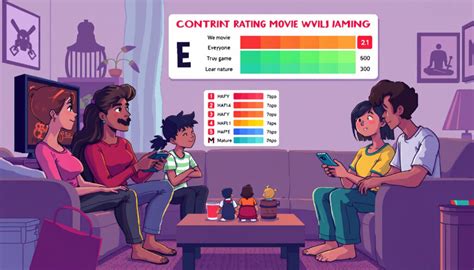
Video games are an integral part of modern childhood, offering entertainment, social connection, and even educational benefits. However, the sheer volume and diversity of games available can make it daunting for parents to ensure their children are engaging with content that is suitable for their age and maturity level. Just as movies have ratings, so too do video games, providing invaluable guidance for families.
Demystifying Game Rating Systems
Game rating systems are designed to help consumers, especially parents, make informed decisions about the games they purchase or allow their children to play. These systems evaluate games based on their content and assign a rating that indicates the appropriate age group, along with descriptors detailing specific elements like violence, language, or suggestive themes. The two most prominent systems globally are the Entertainment Software Rating Board (ESRB) in North America and the Pan European Game Information (PEGI) in Europe.
Understanding ESRB Ratings (North America)
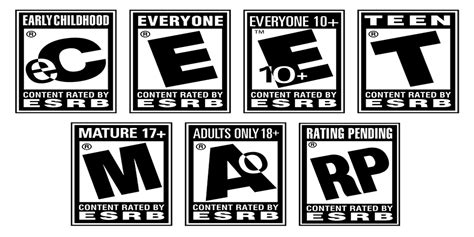
The ESRB system, used in the United States and Canada, provides age ratings and content descriptors:
- EC (Early Childhood): Ages 3+; content may be appropriate for preschoolers.
- E (Everyone): Ages 6+; content generally suitable for all ages.
- E10+ (Everyone 10+): Ages 10+; content generally suitable for ages 10 and up.
- T (Teen): Ages 13+; content generally suitable for ages 13 and up.
- M (Mature): Ages 17+; content generally suitable for ages 17 and up.
- AO (Adults Only): Ages 18+; content only suitable for adults.
Beyond the age rating, ESRB also uses Content Descriptors (e.g., Animated Blood, Crude Humor, Fantasy Violence, Strong Language) to specify particular aspects of a game’s content.
Understanding PEGI Ratings (Europe)
PEGI is widely used across Europe and uses slightly different age categories:
- PEGI 3: Game content is considered suitable for all age groups.
- PEGI 7: Game content that would normally be rated PEGI 3 but contains some scenes or sounds that might be frightening to younger children.
- PEGI 12: Games that show violence of a slightly more graphic nature towards fantasy characters or non-realistic violence towards human-like characters. Sexual innuendo or bad language might also be present.
- PEGI 16: Realistic-looking violence or sexual activity.
- PEGI 18: Adult content. The most common category for games in which violence (or sexual activity) reaches a stage where it becomes a portrayal of gross violence, or includes specific types of violence.
PEGI also uses Content Descriptors (e.g., Violence, Bad Language, Fear, Sex, Drugs, Gambling, Discrimination, In-Game Purchases) to detail the type of content present.

Why Game Ratings Matter for Your Family
Game ratings serve as more than just a suggestion; they are a vital tool for safeguarding children. Exposure to inappropriate content can impact a child’s emotional and cognitive development, potentially leading to anxiety, aggressive behavior, or desensitization. By respecting game ratings, parents can:
- Protect Innocence: Shield younger children from themes they aren’t ready to process.
- Align with Values: Choose games that reflect family values regarding violence, language, and other sensitive topics.
- Foster Healthy Development: Ensure content is developmentally appropriate, supporting positive learning and play experiences.

Beyond the Rating: Practical Steps for Parents
While ratings are an excellent starting point, they are not the only factor to consider. Here are additional steps you can take:
- Read Reviews: Consult reputable gaming review sites that often delve deeper into gameplay, story, and overall themes beyond the rating.
- Watch Gameplay Videos: Search for gameplay videos on platforms like YouTube to get a firsthand look at what the game involves. This can often reveal more about the game’s actual content than a brief descriptor.
- Play Together: When possible, play games with your child. This not only allows you to monitor content but also creates shared experiences and opportunities for discussion.
- Talk About It: Have open conversations with your children about why certain games are rated the way they are and why you make specific choices about what they can play.
- Set Boundaries: Utilize parental controls available on consoles, PCs, and mobile devices to enforce age restrictions, time limits, and spending caps.

Making Informed Choices
Empowering yourself with knowledge about game rating systems is the first step towards creating a safe and enriching gaming environment for your children. Remember that ratings are a guide, not an absolute rule. Every child is different, and what one 10-year-old can handle, another might not. By combining rating information with your understanding of your child’s maturity and interests, you can confidently select games that entertain, challenge, and align with your family’s values.