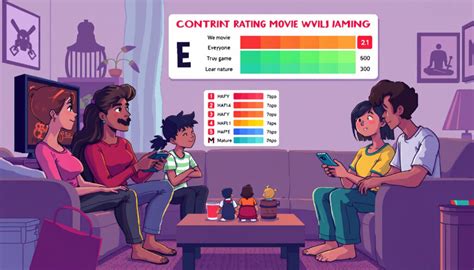



How can I manage screen time without constant battles over gaming?

Navigating the Digital Playground: Strategies for Peaceful Screen Time Management
For many parents, the phrase “screen time” often conjures images of endless arguments, negotiations, and the dreaded gaming battle. In an era where digital entertainment is omnipresent, finding a healthy balance for children can feel like an insurmountable challenge. The goal isn’t necessarily to eliminate gaming, but rather to integrate it into a balanced life without constant friction.

Understanding the Allure of Gaming
Before implementing rules, it’s crucial to understand why gaming is so captivating. Video games offer a unique blend of challenge, social interaction, skill development, and immediate gratification. They can be a source of relaxation, a way to connect with friends, or a platform for creative expression. Acknowledging these positive aspects can help parents approach the topic with empathy rather than immediate judgment.
However, the addictive nature and potential for displacement of other activities necessitate thoughtful management. It’s about finding the sweet spot where gaming enhances, rather than detracts from, a child’s overall well-being.
Shifting from Conflict to Collaboration
The most effective screen time management strategies move away from dictatorial rules and towards collaborative problem-solving. When children feel heard and involved in the decision-making process, they are far more likely to adhere to limits. This approach fosters independence, critical thinking, and a sense of responsibility.

Practical Strategies for a Balanced Digital Life
1. Co-Create Rules and Expectations
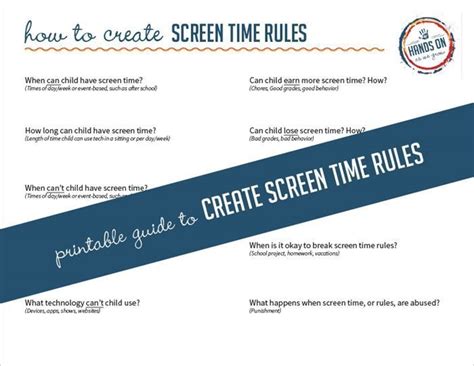
Involve your children in setting screen time limits and guidelines. Discuss what feels fair, what activities need to be completed before gaming (homework, chores), and when gaming needs to stop. Write these rules down and post them in a visible place. This shared ownership significantly reduces resistance.
2. Implement Smart Parental Controls
Leverage technology to your advantage. Most gaming consoles, PCs, and mobile devices offer built-in parental controls that can set time limits, block inappropriate content, and manage purchases. Use these tools not as a punishment, but as a consistent enforcement mechanism that removes you from the role of the constant “bad cop.”
3. Encourage Engaging Alternatives
The best way to reduce screen time isn’t just to restrict it, but to fill the void with appealing alternatives. Encourage outdoor play, reading, creative arts, board games, sports, and family activities. Make sure these alternatives are genuinely engaging and readily accessible. Sometimes, boredom is the primary driver towards screens.
4. Model Healthy Screen Habits
Children learn by observation. If parents are constantly glued to their phones or laptops, children will mirror that behavior. Be mindful of your own screen use, especially during family meals or dedicated family time. Show them that there’s a rich life beyond the digital world.

5. Focus on Quality Over Quantity
Not all screen time is equal. Distinguish between passive consumption (mindless scrolling) and active engagement (educational games, creative coding, connecting with friends on a moderated platform). While time limits are important, also consider the nature of the content your child is interacting with.
6. Establish Clear Consequences
Despite best intentions, rules will be broken. It’s important to have pre-discussed, consistent, and logical consequences. These should be framed not as punishment, but as natural outcomes of not adhering to agreed-upon boundaries. For example, exceeding time limits might mean less screen time the next day.
The Power of Open Communication
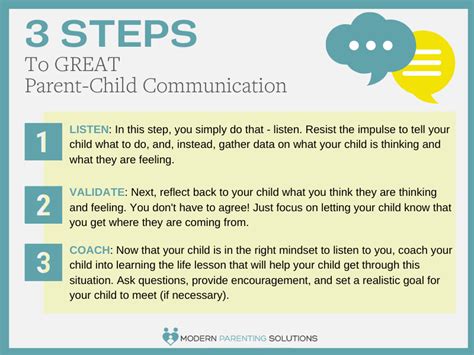
Regularly check in with your children about their gaming experiences. Ask them what they enjoy, what challenges they face, and how they feel about the rules. Be open to adjusting rules as they mature and as their needs change. A strong, trusting relationship is the foundation for navigating all parenting challenges, including screen time.
Cultivating a Balanced Lifestyle
Managing screen time and gaming doesn’t have to be a never-ending power struggle. By understanding your child’s motivations, involving them in setting boundaries, utilizing technology, promoting diverse activities, and maintaining open communication, parents can foster a balanced digital life. The goal is to equip children with the skills to self-regulate and make healthy choices, ensuring technology remains a tool for enrichment, not a source of conflict.