




How-to: Structure game guides to help both novices and veteran players?
Creating a comprehensive game guide that serves both a wide-eyed novice and a seasoned veteran is a delicate balancing act. While beginners need clear, step-by-step instructions and definitions, veterans seek advanced strategies, data, and efficiency tips. A poorly structured guide can overwhelm new players or bore experienced ones. The key lies in thoughtful organization, progressive disclosure, and intuitive navigation.
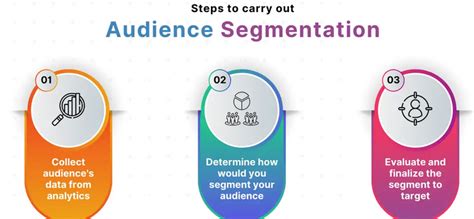
Understanding Your Audience: Novices vs. Veterans
Before you even type your first word, consider the distinct needs of your target audiences. Novices require a gentle introduction, covering core mechanics, controls, user interface elements, and basic objectives. They benefit from hand-holding, clear explanations of jargon, and reassurance. Their primary goal is to learn the ‘how’ and ‘what’ of playing the game.
Veterans, on the other hand, already grasp the fundamentals. They are looking for optimization, advanced tactics, hidden mechanics, deep dives into statistics, and efficient pathways to achieve specific goals. They want the ‘why’ and ‘best way’ – optimal builds, speedrunning routes, meta strategies, and ways to push their performance to the limit.
Core Principles for Dual-Audience Guides
The most effective guides employ principles that allow players to access information relevant to their skill level without getting lost or frustrated.
Modularity and Progressive Disclosure
Structure your guide like a curriculum. Start with the absolute basics, then gradually introduce more complex concepts. This means breaking your guide into distinct, self-contained sections. A novice can read linearly from start to finish, while a veteran can jump directly to specific advanced sections.
Clear Navigation
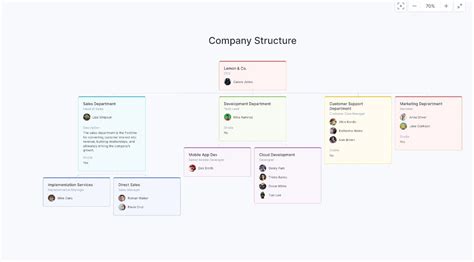
An intuitive navigation system is paramount. Implement a detailed Table of Contents (TOC) with anchor links to major sections and sub-sections. Use clear, descriptive headings (H2, H3, H4) that accurately reflect the content below. Internal linking within the guide can also help connect related topics, allowing players to deep-dive or skip ahead as needed.
Strategies for Novice-Friendly Sections
For your beginner-focused content, prioritize clarity and simplicity:
- Fundamentals First: Dedicate initial sections to controls, basic movement, combat mechanics, and understanding the UI. Assume the reader knows nothing.
- Glossaries & Definitions: Introduce a glossary for game-specific jargon, acronyms, and technical terms. Explain them simply when first mentioned in the main text, then link to the glossary for more detail.
- Step-by-Step Walkthroughs: For early game objectives or specific mechanics, provide clear, numbered, step-by-step instructions. Use screenshots to illustrate actions.

Catering to the Veteran Player
Once the basics are covered, you can shift gears to appeal to your more experienced audience:
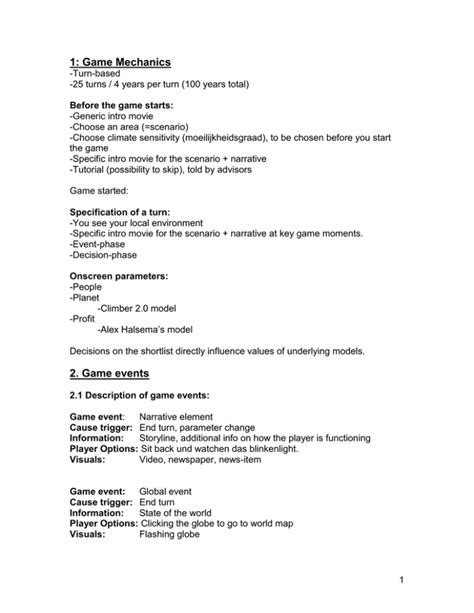
- Advanced Mechanics & Optimization: Create dedicated sections for deep dives into game systems like stat scaling, damage calculations, resource management, specific character builds, or advanced combat techniques.
- Data & Statistics: Veterans often crave raw data. Include tables for item stats, enemy resistances, quest rewards, or ability cooldowns. Explain the math behind optimal strategies.
- Time-Saving Features: Include quick reference charts, FAQs for common advanced dilemmas, or ‘TL;DR’ (Too Long; Didn’t Read) summaries for complex sections.
Visuals and Accessibility
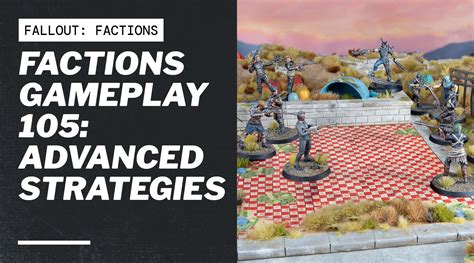
Both player types benefit immensely from well-placed visuals. Screenshots, diagrams, flowcharts, and even embedded video clips can clarify complex concepts faster than text alone. Use consistent formatting, clear fonts, and sufficient white space to improve readability. Highlight key information with bold text or bullet points. Consider accessibility by using descriptive alt text for images and ensuring color contrasts are sufficient.
Structuring a game guide for both novices and veterans is not about writing two separate guides, but rather designing a single, adaptable resource. By understanding the unique needs of each audience and employing principles like modularity, clear navigation, and targeted content, you can create a comprehensive guide that becomes an invaluable resource for the entire player community, fostering both new engagement and continued mastery.