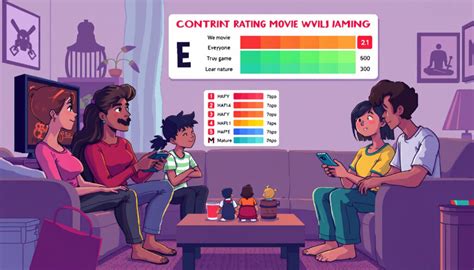





Practical tips for managing kids’ game screen time & promoting digital well-being?

Navigating the Digital Playground: A Parent’s Guide
In today’s hyper-connected world, digital games are an undeniable part of childhood. While they offer entertainment and can even foster certain skills, managing children’s game screen time is a common challenge for many parents. The goal isn’t necessarily to eliminate screens, but rather to cultivate a healthy, balanced relationship with technology that promotes overall digital well-being. Here are practical tips to help you strike that balance.

Establish Clear Rules and Expectations
The first step towards effective screen time management is setting clear, consistent boundaries. Involve your children in this process, where appropriate for their age, to foster a sense of ownership. Define specific time limits for gaming, both daily and weekly, and stick to them. Discuss acceptable types of games and content, ensuring they are age-appropriate. Designate ‘screen-free’ zones and times, such as during meals, family gatherings, or at least an hour before bedtime, to encourage face-to-face interaction and better sleep hygiene.
Leverage Technology Tools Wisely
Fortunately, technology also offers solutions for managing itself. Explore and utilize parental control features available on gaming consoles, mobile devices, routers, and operating systems. Many apps and devices offer built-in screen time tracking and limiting functions. These tools can help enforce your established rules automatically, providing timers, content filters, and even scheduled device shutdowns. Remember to periodically review and adjust these settings as your children grow and their needs change.

Prioritize and Promote Offline Activities
A crucial part of digital well-being is ensuring there’s a rich and appealing world beyond screens. Actively encourage and schedule time for alternative activities like outdoor play, sports, creative arts, reading, board games, and simply imaginative free play. Provide engaging alternatives that spark their interests. The more appealing and accessible these offline options are, the less children will feel the pull of their screens. Family outings and shared hobbies are excellent ways to bond and reduce screen reliance.
Model Responsible Digital Behavior
Children are keen observers, and they often mirror their parents’ habits. Be mindful of your own screen use. Do you frequently check your phone during family time? Are you glued to a device during meals? Demonstrating responsible digital habits yourself—such as putting your phone away during conversations, taking regular digital breaks, and showing how technology can be used productively—sends a powerful message. This also opens up opportunities to discuss the positive uses of technology, such as learning, connecting with distant relatives, or creative expression.

Foster Open Communication and Understanding
Rather than simply imposing rules, foster an environment of open dialogue. Talk to your children about their online experiences, what games they enjoy, and any challenges or concerns they might encounter. Explain why certain rules are in place (e.g., “too much screen time hurts your eyes and brain,” or “we need to talk and connect as a family”). Listen to their perspectives without judgment and be willing to compromise where appropriate. This builds trust and helps them develop critical thinking skills about their digital choices.
Ensure Sufficient Sleep and Physical Activity
Two non-negotiable pillars of a child’s health are adequate sleep and regular physical activity. Excessive screen time can easily encroach upon both. Establish a consistent bedtime routine that excludes screens at least an hour before sleep to avoid stimulating blue light exposure. Encourage daily physical activity, whether it’s playing in the park, riding bikes, or joining a sports team. These activities are vital for physical development, mental health, and reducing sedentary screen-based habits.

Review and Adapt Your Approach
Managing screen time isn’t a one-time fix; it’s an ongoing process. As children grow, their interests evolve, and technology advances, your family’s approach will need to adapt. Regularly check in with your children and evaluate whether the current rules are still effective and fair. Be flexible and willing to adjust limits or introduce new guidelines as needed. What works for a five-year-old will likely not work for a teenager, so continuous assessment and open discussion are key.

Conclusion
Promoting digital well-being in children is about teaching balance, self-regulation, and critical engagement, not just restriction. By setting clear boundaries, leveraging available tools, encouraging rich offline experiences, modeling responsible behavior, and fostering open communication, parents can guide their children towards a healthy and productive relationship with the digital world. Remember, it’s about preparing them to thrive in a digital age, armed with the wisdom to use technology as a tool, not a master.