



How can beginner game guides effectively simplify complex rules for new players?

The Challenge of Complexity for New Players
Many modern video games, especially those in genres like strategy, RPGs, or simulations, are rich with intricate mechanics, deep lore, and numerous systems that can be incredibly daunting for new players. The initial learning curve often acts as a significant barrier, leading to frustration and potential abandonment of a game before its true potential can be experienced. This is where well-crafted beginner game guides become indispensable, transforming an intimidating experience into an engaging one.
Strategies for Effective Rule Simplification
To effectively simplify complex rules, beginner guides must go beyond merely listing mechanics. They need to adopt pedagogical approaches that cater to how new players learn and absorb information.
1. Prioritize Core Mechanics First
Instead of overwhelming players with every single rule upfront, guides should focus on the absolute core mechanics necessary to play the game initially. What are the essential actions, objectives, and systems a player needs to understand to complete the first few levels or achieve basic goals? Introduce these foundational elements thoroughly before layering on more advanced concepts like optimal strategies, intricate crafting systems, or niche character builds.
2. Employ Clear, Jargon-Free Language
Game guides should avoid technical jargon or, if unavoidable, clearly define terms the first time they appear. Use simple, direct language that anyone can understand, steering clear of developer-speak or community slang. Analogies to real-world concepts or more widely understood game mechanics can also be powerful tools for making abstract rules tangible.
3. Leverage Visual Aids Extensively
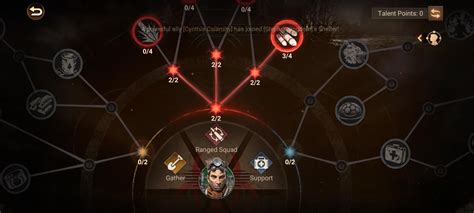
A picture is truly worth a thousand words when explaining game rules. Diagrams, flowcharts, annotated screenshots, and short video clips (if the guide format allows) can break down complex processes into easily digestible visual steps. Showing how an inventory system works, illustrating a combat flow, or mapping out a skill tree visually is far more effective than text-heavy explanations alone.
4. Provide Step-by-Step Examples and Scenarios
Abstract rules are often difficult to internalize. Guides should offer concrete, step-by-step examples of how rules apply in actual gameplay scenarios. For instance, instead of just defining ‘aggro,’ provide a walkthrough of a tank gaining aggro on an enemy mob, showing the UI elements and actions involved. Practical application solidifies theoretical understanding.
5. Implement Progressive Disclosure and Layered Information
Effective guides understand that learning is a process. They don’t dump all information at once but rather introduce concepts gradually, building upon previously learned material. This ‘progressive disclosure’ can involve having basic guides that link to more advanced guides, or sections within a single guide that are clearly marked for beginner, intermediate, and expert players.
6. Structure for Skimmability and Easy Reference
Players often refer back to guides while playing. Therefore, guides should be well-structured with clear headings, subheadings, bullet points, and bolded keywords. A table of contents, an index, or a robust search function can significantly enhance a guide’s utility, allowing players to quickly find answers to specific questions without having to reread entire sections.

The Benefits of Well-Crafted Guides
When game guides effectively simplify complex rules, the benefits are far-reaching. New players experience less frustration, leading to higher retention rates and a greater likelihood of them becoming long-term fans. It democratizes access to games that might otherwise be exclusive to a hardcore audience, fostering a more inclusive and vibrant player community. Ultimately, good guides empower players, allowing them to overcome initial hurdles and fully immerse themselves in the rich worlds and mechanics developers create.

Conclusion
Simplifying complex game rules for new players isn’t just about breaking down information; it’s about crafting an empathetic learning journey. By prioritizing core mechanics, employing clear language and visual aids, providing practical examples, and structuring for easy access, beginner game guides can transform potential frustration into genuine enjoyment, ensuring more players discover the depth and joy awaiting them in complex games.