
How to manage kids’ gaming screen time and pick age-appropriate games?

In today’s digital age, video games are an undeniable part of many children’s lives. While they can offer entertainment, foster problem-solving skills, and connect kids with friends, managing gaming screen time and ensuring the games are suitable can be a significant challenge for parents. Striking the right balance is crucial for a child’s development and well-being.
Setting Healthy Screen Time Boundaries
Establishing clear, consistent rules is the cornerstone of managing screen time. Instead of outright bans, consider setting daily or weekly limits that are realistic and discussed with your children. Use timers, and enforce breaks to prevent excessive gaming. Involve your child in creating these rules, which can increase their buy-in and sense of responsibility.

Parental control apps and console features can be invaluable tools. These allow you to set time limits, restrict access during certain hours, and even filter content. However, remember that technology is a tool, not a replacement for open communication. Regularly check in with your child about their gaming habits and experiences.
Encouraging a variety of alternative activities is equally important. Make sure there are plenty of opportunities for outdoor play, reading, creative arts, and social interaction away from screens. A well-rounded schedule naturally limits the time available for gaming. Leading by example also plays a huge role; if children see parents constantly on devices, it sends a mixed message.

Choosing Age-Appropriate Games
Selecting games that align with your child’s age and maturity level is vital for their mental and emotional health. The gaming industry provides rating systems specifically designed to help parents make informed choices.
Understanding Game Rating Systems
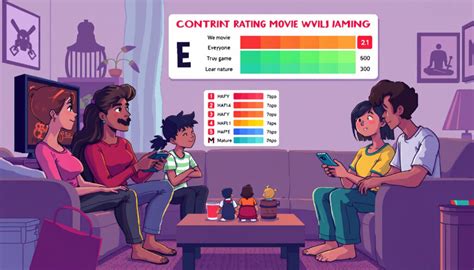
Familiarize yourself with systems like the ESRB (Entertainment Software Rating Board) in North America or PEGI (Pan European Game Information) in Europe. These ratings categorize games based on content (e.g., violence, language, suggestive themes) and suggest an appropriate age range. Always check the rating summaries for specific content descriptors, which offer more detail than the age recommendation alone.

Beyond ratings, do your research. Watch gameplay videos on platforms like YouTube, read reviews from reputable gaming sites, and even try playing the game yourself if possible. This hands-on approach gives you a better understanding of the actual content and gameplay experience.
Consider the potential educational or developmental benefits. Many games can enhance problem-solving, strategic thinking, creativity, and hand-eye coordination. Look for games that offer more than just passive entertainment. Involve your child in the selection process, discussing why certain games are suitable and others are not. This helps them develop critical thinking about media consumption.

Ultimately, managing kids’ gaming screen time and choosing appropriate games is about fostering a healthy relationship with technology. It requires a proactive approach, open communication, and a willingness to adapt as your child grows and their interests evolve. By setting boundaries, utilizing resources, and staying involved, parents can ensure gaming remains a positive and enriching experience.