



How to spot truly F2P-friendly Gacha games & avoid manipulative monetization?

Navigating the Gacha Game Landscape Safely
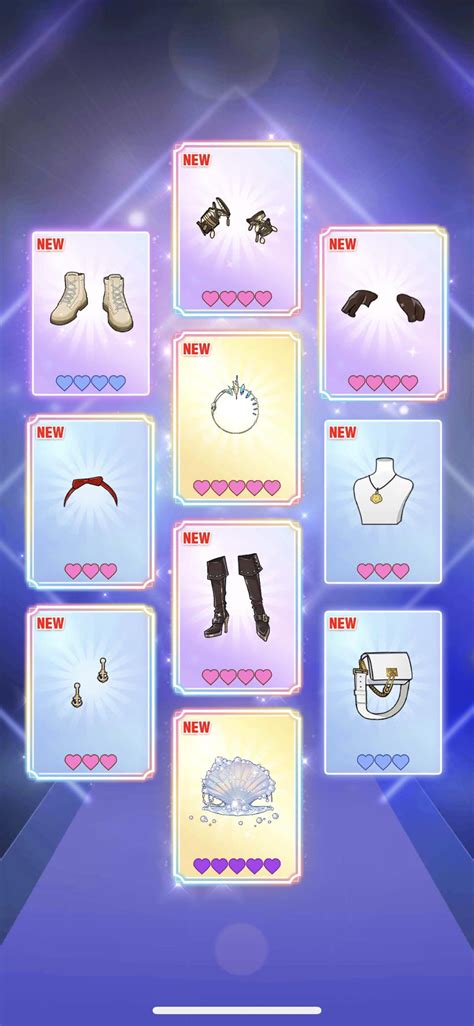
Gacha games, with their compelling character rosters, engaging storylines, and frequent content updates, have carved out a significant niche in the mobile gaming world. Inspired by Japanese gashapon capsule toys, these games entice players with the thrill of randomized pulls for rare characters, items, or equipment. While the core mechanic can be exciting, the industry is also rife with manipulative monetization tactics designed to convert free players into paying customers, often at significant cost. For players looking to enjoy the experience without breaking the bank, identifying truly F2P-friendly titles is crucial.
Red Flags of Manipulative Gacha Monetization
Before diving deep into a new gacha title, it’s vital to recognize the signs of a game that prioritizes profit over player well-being. These red flags often indicate a game designed to extract maximum spending, making a truly F2P experience challenging or impossible.
Aggressive FOMO and Scarcity Tactics
- Limited-Time Banners: Constantly cycling limited-time banners with powerful or desirable units creates a sense of urgency and fear of missing out (FOMO). This pressure can push players to spend, even if they hadn’t planned to.
- Artificial Scarcity: Making essential progression items or key characters extremely rare or time-gated, forcing players to either wait indefinitely or pay to accelerate.
Predatory Pricing and Obscure Rates
- High Pity Counts & Low Drop Rates: Games with extremely low chances for rare units combined with high “pity” thresholds (guaranteed rare after many pulls) can be frustrating. If the premium currency required for pulls is also scarce for F2P players, it’s a bad sign.
- Unclear Gacha Mechanics: If drop rates aren’t transparently displayed or if the exact mechanics of how pity works (e.g., transfers between banners) are vague, it’s a major red flag.
Power Creep and Paywalls
- Constant Power Creep: A rapid introduction of new units that significantly outclass previous ones, rendering older investments obsolete. This compels players to continually spend to keep up with the meta.
- Essential Progression Behind Paywalls: If core game modes, essential resources, or significant power increases are primarily accessible through real-money purchases, it’s not F2P-friendly.
Hallmarks of Truly F2P-Friendly Gacha Games
Conversely, many gacha games genuinely aim to provide a robust experience for all players, regardless of spending habits. These titles implement features that foster generosity, transparency, and accessible gameplay.
Generous Premium Currency and Rewards
- Abundant Free Currency: F2P-friendly games provide a steady and significant stream of premium currency (e.g., gems, crystals) through daily quests, events, story progression, and achievements. This allows F2P players to consistently pull on banners.
- Rewarding Events and Login Bonuses: Regular events that offer substantial rewards, including premium currency, rare materials, or even free high-tier characters, are a great sign. Consistent login bonuses also contribute.
Accessible Systems and Viable F2P Options
- Clear & Achievable Pity: Pity systems that are reasonably low and transfer between banners (or have dedicated F2P currency options) make rare units attainable without excessive spending.
- Strong F2P Units: The game offers a roster of free or easily acquired characters that are powerful and viable in endgame content, often requiring skill and strategic team building rather than just raw power.
- Skill Over Spending: While whales might have an advantage, skilled F2P players can still clear challenging content through smart gameplay, team synergy, and understanding game mechanics.
Cosmetic Focus and Developer Communication
- Cosmetic-Focused Monetization: The primary monetization is centered around optional character skins, emotes, or aesthetic changes, rather than essential power upgrades.
- Transparent Communication: Developers who openly communicate about upcoming changes, drop rates, and address player feedback demonstrate a commitment to a healthy game environment.

Strategies for a Healthy Gacha Experience
Even in F2P-friendly games, mindful playing habits are essential to avoid falling into manipulative traps. Here are some tips:
- Set a Budget (Time & Money): Decide beforehand how much time and, if applicable, money you are willing to invest. Stick to it.
- Research Before You Commit: Look up reviews, F2P guides, and community discussions before heavily investing time into a new gacha game. Understand its monetization model.
- Don’t Chase Every Meta Unit: It’s impossible for F2P players to get every top-tier unit. Prioritize units that truly enhance your gameplay or fill a specific role you need.
- Enjoy the Core Gameplay: Focus on the story, events, and strategic battles rather than just the thrill of pulls. A good gacha game should be fun even without new units.

Conclusion
While the gacha model inherently involves randomness and incentives for spending, not all games are created equal. By understanding the common red flags of manipulative monetization and recognizing the hallmarks of genuinely F2P-friendly titles, players can make informed choices. Opting for games that respect your time and money not only leads to a more enjoyable personal gaming experience but also supports developers committed to ethical practices within the competitive free-to-play market. Play smart, play well, and avoid the traps.