




How to find quality, non-P2W mobile games among the glut of free-to-play titles?

Navigating the Free-to-Play Minefield
The mobile gaming landscape is dominated by free-to-play (F2P) titles, offering instant access to countless digital worlds. While this model has made gaming more accessible than ever, it also hides a common frustration: the “pay-to-win” (P2W) mechanic. Many F2P games are designed to extract maximum revenue, often at the expense of fair gameplay, forcing players to spend real money to progress meaningfully or compete effectively. For discerning players, the challenge isn’t just finding a new game, but finding a quality game that respects their time and wallet.
Understanding Pay-to-Win (P2W) Mechanics
Before you can avoid P2W games, it’s crucial to understand what they entail. P2W typically refers to games where spending real money grants a significant, often unfair, advantage over players who don’t. This can manifest in several ways:
- Direct Power Buys: Purchasing powerful items, characters, or upgrades that are otherwise extremely difficult or time-consuming to obtain for free.
- Accelerated Progression: Systems that allow players to bypass long grind times, energy gates, or cooldowns by spending money, giving them a significant lead.
- Gambling Mechanics (Gacha/Loot Boxes): While not always P2W, these systems often tie essential progression or competitive advantages to random chance, pushing players to spend continuously.
- Resource Scarcity: Deliberately limiting in-game resources or energy to a point where progression becomes painfully slow without spending.

Red Flags to Watch Out For
When evaluating a new F2P title, keep an eye out for these tell-tale signs of a potentially P2W experience:
- Aggressive Pop-ups and Offers: Constant, intrusive ads for bundles, discounts, or special offers immediately upon logging in or completing a task.
- Energy Systems: A system that limits how much you can play at once, often requiring a wait or a payment to replenish.
- Unfair PvP Matchmaking: If early PvP encounters consistently pit you against players with significantly stronger gear or characters, it’s a sign that spending might be necessary to compete.
- “Daily Deals” for Essential Items: If critical progression items are frequently offered in limited-time cash shops, it suggests they’re designed to be scarce for free players.
- Overwhelming Currencies: Games with 5+ different in-game currencies, especially if some are only obtainable through real money or extremely rare drops.

Strategies for Discovering Quality, Non-P2W Games
Finding the gems among the rough requires a proactive approach and a bit of research:
- Consult Reputable Review Sites: Look for reviews from established gaming journalists and websites that specifically critique monetization models. They often highlight whether a game is fair to F2P players.
- Read User Reviews (Critically): Check recent user reviews on app stores. Filter out the overly emotional ones and look for recurring complaints about monetization, paywalls, or unfair advantages. Pay attention to reviews from players who have played for a significant amount of time.
- Watch Gameplay Videos: Head to YouTube or Twitch. Watch streamers or content creators who play the game. Pay attention to how they progress, what they spend money on (if anything), and if they voice concerns about monetization.
- Join Community Forums/Subreddits: Active communities (like r/AndroidGaming or r/iosgaming on Reddit) are excellent resources. Players there are often vocal about P2W practices and can recommend truly F2P-friendly titles.

Focus on Specific Game Types and Developers
Some categories of mobile games and certain developers are less likely to fall into the P2W trap:
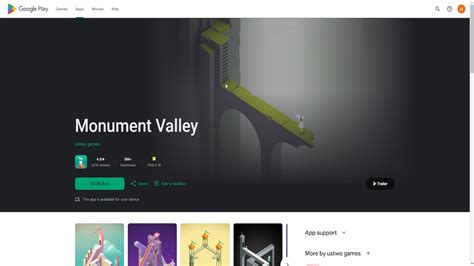
- Premium Titles: These are paid upfront and typically offer a complete experience without further monetization. While not F2P, they guarantee no P2W. Many F2P games have premium counterparts or ports.
- Indie Developers: Smaller studios often prioritize unique gameplay and player experience over aggressive monetization. They might offer optional cosmetic purchases or a single premium unlock.
- Offline/Single-Player Games: Games that don’t rely on competitive multiplayer are less likely to implement P2W mechanics, as there’s no “winning” against other players.
- Games with Transparent Monetization: Look for games where the developers clearly state what you get for your money (e.g., cosmetic skins, ad removal, full game unlock) rather than vague “gem packs” or “energy refills.”

Trial and Error: Your Best Defense
Ultimately, the best way to determine if a game is for you is to play it. Most F2P games offer enough initial content to get a feel for their core loop and monetization strategy. Play for a few hours, reach a mid-game point, and then assess:
- Do you feel pressured to spend money to progress?
- Are you hitting frustrating paywalls or severe grind requirements?
- Can you compete or enjoy the game’s core loop without spending?
If the answer to the first two is yes, it’s likely time to move on. There are countless other titles that respect your time and provide genuine enjoyment without constantly reaching for your wallet.

Conclusion
Finding quality, non-P2W mobile games in today’s crowded market requires vigilance and informed decision-making. By understanding P2W mechanics, recognizing red flags, actively researching titles, and focusing on developer reputation, you can significantly improve your chances of discovering truly enjoyable mobile gaming experiences that respect both your time and your budget. Happy gaming!