



What F2P mobile games offer fair monetization & engaging gameplay?

Navigating the F2P Landscape: A Quest for Balance
The free-to-play (F2P) model dominates the mobile gaming market, offering accessibility to millions worldwide. However, this model often walks a tightrope between generating revenue and providing a genuinely fair and enjoyable experience for players. Many F2P games fall into the trap of aggressive, predatory monetization that detracts from the fun, leading to a common misconception that all F2P games are inherently “pay-to-win.” But this isn’t always the case. A growing number of developers are proving that it’s possible to create immensely popular and profitable F2P titles that respect their players through fair monetization and deliver deeply engaging gameplay.

What Defines Fair Monetization?
Fair monetization in F2P games is characterized by several key principles. Firstly, it means that core gameplay progression is achievable without spending money. Spending should accelerate progress or offer cosmetic enhancements, not lock essential content or grant an insurmountable competitive advantage. Battle Passes are a prime example when implemented correctly, offering a clear path of rewards for active play, with premium tiers offering more, but never mandatory, items.
Secondly, transparent pricing and value are crucial. Players should feel that what they’re paying for is clearly defined and offers reasonable value. Optional cosmetic items, character skins, emotes, and unique housing decorations are excellent examples of non-game-altering purchases. Gacha mechanics, while often controversial, can also be fair if drop rates are transparent, premium currency is obtainable through gameplay, and “pity” systems ensure players eventually get desired items.
The Pillars of Engaging Gameplay
Beyond fair monetization, a truly great F2P mobile game must offer engaging gameplay. This isn’t just about flashy graphics; it’s about robust game design that keeps players coming back. Key elements include:
- Depth and Replayability: Sufficient content, varied modes, and evolving challenges that prevent the game from feeling stale.
- Skill-Based Progression: A clear path for players to improve their abilities through practice and strategy, rather than just grinding or spending.
- Social and Community Features: Guilds, co-op modes, competitive ladders, and in-game communication foster a sense of belonging and extend game life.
- Regular Updates and Events: Fresh content, balance changes, and seasonal events keep the game vibrant and give players new goals.

Leading Examples of Ethical F2P Gaming
Genshin Impact & Honkai: Star Rail
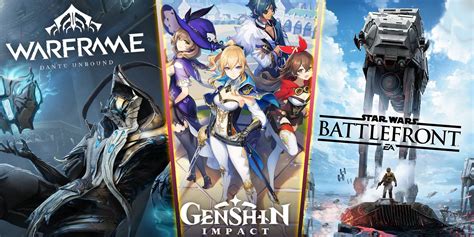
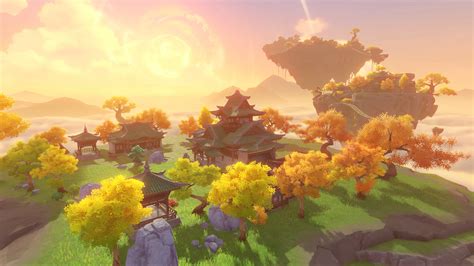
HoYoverse’s titles, Genshin Impact and Honkai: Star Rail, stand out in the gacha genre. Despite their monetization model revolving around acquiring new characters and weapons, both games offer vast, beautifully crafted worlds, deep combat systems, and compelling narratives that are entirely accessible for free. Generous in-game currency handouts, robust “pity” systems, and the ability to clear all content with free characters ensure that spending is largely optional for those who desire specific units or cosmetic flair.
Call of Duty Mobile & League of Legends: Wild Rift
For competitive players, these titles exemplify fair F2P in their respective genres. Call of Duty Mobile delivers fast-paced FPS action with a wealth of maps and modes, monetizing primarily through cosmetic weapon skins and character outfits via battle passes and loot boxes (with transparent odds). All core gameplay elements, including weapons and attachments, are earned through play. Similarly, League of Legends: Wild Rift offers the full MOBA experience on mobile, with all champions earnable through gameplay and monetization focused solely on character skins and emotes, ensuring a level playing field.

Brawl Stars
Supercell has consistently delivered F2P games with a strong focus on player experience, and Brawl Stars is no exception. This fast-paced arena brawler provides a satisfying progression loop where new Brawlers, gadgets, and star powers are earned primarily through playing and opening free boxes. Its monetization is largely focused on cosmetic skins and battle passes that offer good value and don’t create a power gap between paying and non-paying players. The game’s quick matches and diverse cast of characters make it incredibly engaging.
The Future of F2P: A Player-Centric Approach
These examples demonstrate that successful F2P mobile games don’t need to resort to exploitative practices. By prioritizing player enjoyment, offering meaningful content, and adopting ethical monetization strategies, developers can build sustainable, profitable titles that foster loyal communities. As the mobile gaming landscape continues to evolve, the demand for fair and engaging F2P experiences will only grow, pushing more developers towards player-centric models.