




How do we prevent overwhelming new players in game how-to guides’ first sections?

The Initial Overwhelm: A Universal Challenge
New players embarking on a journey into a complex game often face a daunting first hurdle: the how-to guide. While these guides are essential, their initial sections can inadvertently dump a torrent of information, leading to confusion, frustration, and even abandonment. The goal is not to withhold information but to present it in a digestible, non-overwhelming manner.
Prioritize the Absolute Essentials
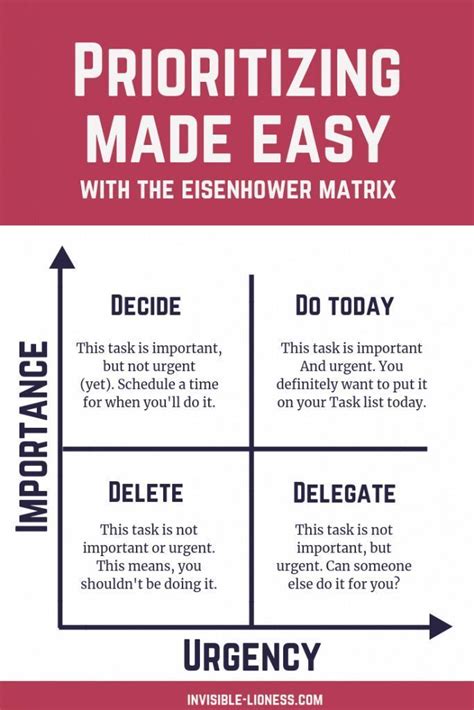
The cardinal rule for any beginner’s guide is ruthless prioritization. What does a player absolutely *need* to know to take their first meaningful action and understand the core loop? Focus solely on these elements. Mechanics that are crucial later, or advanced strategies, should be deferred. Think about the “minimum viable knowledge” required to get started and feel a sense of accomplishment.
This means identifying the very first interaction, the basic movement controls, the primary objective, and perhaps one core game system. Everything else, no matter how important it eventually becomes, is a distraction at this stage. Creating an effective information hierarchy from the outset is key to guiding players without drowning them.
Embrace Progressive Disclosure and Layered Learning
Rather than presenting a wall of text or a long list of features, introduce concepts gradually. Progressive disclosure is a powerful technique where information is revealed only as the player needs it or demonstrates readiness for it. This can be implemented through in-game prompts, tooltip pop-ups, or by structuring the guide itself into “Basic,” “Intermediate,” and “Advanced” sections, clearly signposted.

The first section of your guide should act as a gentle ramp, not a cliff edge. It should set the foundation, providing just enough context and instruction for the player to perform their first few tasks successfully. Subsequent sections, linked or accessible only after certain progress, can then delve into deeper mechanics, lore, and strategy.
Simplify Language and Leverage Visuals
Jargon is a new player’s worst enemy. While it might be second nature to veteran players or guide writers, terms like “DPS,” “aggro,” “buffs,” or specific acronyms can be alienating. Opt for clear, concise, and simple language. If technical terms are unavoidable, provide immediate, simple explanations.
Visual aids are incredibly powerful in reducing cognitive load. Screenshots with highlighted areas, short GIFs demonstrating a mechanic, or simple diagrams can convey information far more effectively than paragraphs of text. A picture showing “click here to attack” is often superior to a textual instruction.

Consider using consistent iconography and UI markers. If your game has a specific button for “interact,” make sure the guide consistently refers to it visually and textually. This consistency builds familiarity and reduces the mental effort required to process new information.
Offer Clear, Actionable Steps
Every piece of information presented in the initial sections should ideally be accompanied by a clear, actionable step or an immediate opportunity to apply that knowledge. Don’t just explain “how to move”; tell them “use WASD to move to the glowing objective.” This immediate feedback loop helps solidify understanding and gives the player a sense of agency and progress.

Break down complex actions into their simplest components. If a player needs to equip an item, don’t just say “equip your sword.” Instead, guide them: “Open your inventory (press I), drag the sword to the weapon slot, then close your inventory.” Each mini-step is a victory, building confidence.
Test and Iterate with New Players
The most effective way to identify overwhelming sections is to observe actual new players interacting with your guides. Recruit individuals who have never played your game (or even similar genres) and watch them. Pay attention to where they pause, where they get confused, or where they skip information entirely. Their feedback is invaluable.
Don’t be afraid to iterate. Initial guides are rarely perfect. Continually refine and simplify based on user testing. A/B test different guide structures or phrasing. The goal is to create a seamless, enjoyable onboarding experience that gently introduces the player to the game’s world without drowning them in data.

Conclusion: The Art of Gentle Introduction
Preventing new player overwhelm in how-to guides is an art form that balances comprehensive information with digestible presentation. By prioritizing core mechanics, employing progressive disclosure, simplifying language, utilizing strong visuals, and relentlessly testing, guide creators can craft initial sections that invite players in rather than push them away. A well-designed first impression can be the difference between a player falling in love with a game and abandoning it before truly beginning.