




What specific steps find true hidden indie gems on digital storefronts?

In the vast, ever-expanding universe of digital game storefronts, finding truly exceptional independent games – those hidden gems that offer unique experiences – can feel like searching for a needle in a haystack. With thousands of titles released annually, the signal-to-noise ratio can be daunting. Yet, the rewards of unearthing a masterpiece often outweigh the effort. This guide provides specific, actionable steps to navigate the digital deluge and bring those overlooked indie treasures to light.
Leveraging Storefront Features Effectively
Digital platforms like Steam, GOG, Epic Games Store, and Itch.io offer a wealth of filtering options, but many users only scratch the surface. Start by diving deep into their search tools. Utilize genre tags beyond the obvious, looking for niche categories or combinations that align with your interests (e.g., “narrative-driven puzzle platformer” instead of just “platformer”). Experiment with release date filters to explore titles that might have been overshadowed upon launch but have since gained critical acclaim or updates.
Don’t just stick to the bestsellers. Explore sections like “New & Trending,” “Upcoming,” and “Early Access” with a critical eye. While these can be hit-or-miss, they often house innovative concepts before they gain widespread attention. Pay close attention to user reviews, but also consider those with fewer reviews – a passionate positive review from a small sample can sometimes be more indicative of a hidden gem than a sea of ambivalent ratings for a mainstream title.

Beyond the Storefront: Community and Curation
True indie game discovery often extends beyond the confines of a single platform. Seek out specialized indie game websites and blogs (e.g., Rock Paper Shotgun’s Unknown Pleasures, Indie Game Website, PC Gamer’s ‘Best Indie Games’). These outlets often have dedicated writers with a keen eye for innovative and experimental titles that mainstream sites might overlook. Follow their curated lists and weekly recommendations.
YouTube channels and Twitch streamers who specifically focus on indie games are invaluable resources. They often play demos, highlight obscure releases, and offer genuine, unfiltered opinions. Look for creators who align with your taste and have a history of showcasing unique or underrated titles, rather than just the latest buzzworthy releases.

Engaging with Gaming Communities
Online communities are vibrant hubs for discovery. Subreddits like r/IndieGames, r/PatientGamers, and genre-specific subreddits (e.g., r/metroidvania, r/roguelikes) are fantastic places to ask for recommendations, see discussions about lesser-known titles, and learn about upcoming projects directly from developers. Discord servers dedicated to indie games or specific game types can also provide real-time recommendations and insights.
Following indie game developers on social media platforms (Twitter, Mastodon) or supporting them on platforms like Kickstarter or Patreon can give you early access to information, demos, and even development builds. This direct connection often reveals games that are still under the radar but show immense promise.

Developing Personal Filters and Patience
To avoid “indie fatigue,” refine your personal taste profile. What specific mechanics, art styles, narrative themes, or emotional impacts do you seek? Once you know what you love, it becomes easier to spot potential candidates. Make good use of wishlists on storefronts to track games that pique your interest. Don’t underestimate the power of playing demos; many indie games offer free demos that provide a perfect taste of the full experience.
Patience can be a virtue. Sometimes, a “hidden gem” is simply a good game that needed time to mature, either through post-launch updates or by waiting for a sale price. Read comprehensive reviews (not just the initial launch hype) a few months after release to get a more balanced perspective. Waiting can also allow you to see if a game’s community grows, signaling its lasting appeal.
The Itch.io Advantage for Deeper Dives
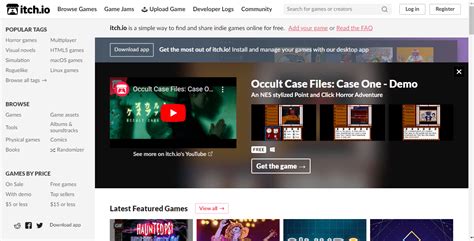
While Steam is dominant, Itch.io stands out as a unique ecosystem for indie games. It offers a more open platform for developers, often hosting experimental titles, game jam entries, and games that might not fit the mold of other storefronts. Its robust tag system, curated bundles, and direct developer-to-player communication make it a goldmine for truly obscure yet brilliant experiences. Spend time browsing its diverse categories, and don’t shy away from projects with unique art styles or unconventional concepts – Itch.io is where many of these shine.
Unearthing hidden indie gems is an ongoing journey of exploration, critical thinking, and community engagement. By moving beyond algorithmic recommendations and actively seeking out new voices and experiences, you’ll not only discover games that resonate deeply but also support the vibrant, innovative spirit of independent game development. The next truly unforgettable game might just be a few deliberate clicks away.