


What cooperative family games promote teamwork, not arguments, for mixed ages?

Transforming Family Game Night into a Team Effort
Family game nights are cherished traditions, but they can sometimes devolve into squabbles, especially with a wide range of ages and competitive personalities at the table. The good news? Cooperative board games offer a fantastic solution. Instead of pitting players against each other, these games unite everyone against a common challenge, fostering genuine teamwork, communication, and shared victories (or defeats!). This creates an inclusive environment where every family member, from the youngest to the oldest, can contribute meaningfully.
Cooperative games are designed with a unique premise: all players work together to achieve a shared objective. There are no individual winners or losers; the entire team succeeds or fails as one. This fundamental shift eliminates many common sources of conflict, encouraging players to collaborate, strategize, and support one another. For mixed-age groups, this is particularly beneficial as younger children can learn from older siblings or adults, while adults can enjoy the simpler mechanics and focus on guiding the team.

Top Cooperative Games for Diverse Family Groups
1. Forbidden Island / Forbidden Desert
Both Forbidden Island and its more challenging sequel, Forbidden Desert, are excellent entry points into cooperative gaming. In Forbidden Island, players work together to collect treasures from a sinking island before it’s completely submerged. Each player has a unique ability, and success hinges on clever use of these skills and strategic movement. Forbidden Desert ups the ante, stranding players in a harsh desert where they must find parts to rebuild an airship before running out of water or being buried by sandstorms.
- Why they work: Simple rules, quick setup, high replayability, and clear objectives make these games accessible for ages 8 and up. Younger players can easily grasp their role, while older family members will enjoy optimizing strategies.

2. Pandemic
A classic of the cooperative genre, Pandemic challenges 2-4 players to work as an elite disease-fighting team, traveling the globe to treat infections and discover cures for four deadly diseases before they wipe out humanity. Each player takes on a unique role, such as a Medic, Scientist, or Dispatcher, each with special abilities crucial to the team’s success.
- Why it works: Pandemic encourages intense discussion and planning. Different roles mean different contributions, allowing various age groups to take ownership of their character. It’s best for ages 10+, offering a deeper strategic challenge that still feels achievable through teamwork.

3. Mysterium
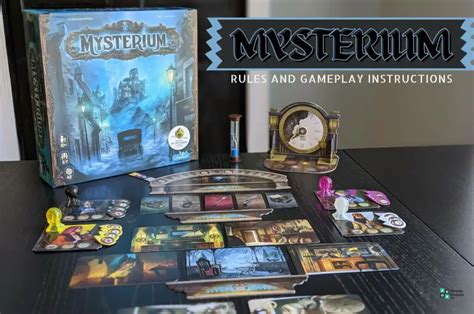
For families who enjoy creative thinking and communication, Mysterium is a unique gem. One player acts as a ghost, communicating clues through abstract, beautifully illustrated dream cards to the other players, who are psychics. The psychics must interpret these visual clues to correctly identify the culprit, location, and weapon used in the ghost’s murder. All players must correctly interpret the ghost’s messages to solve the mystery.
- Why it works: This game is fantastic for mixed ages (10+) because it relies on intuition and creative interpretation rather than complex strategy. Younger players often have surprisingly keen insights, and the collaborative deduction process is highly engaging and fun for everyone.
4. Hoot Owl Hoot!
Specifically designed for younger children (ages 4+) but enjoyable for the whole family, Hoot Owl Hoot! is part of the Peaceable Kingdom line of cooperative games. Players work together to help a group of owls fly home before the sun comes up. It’s a simple game of color matching and pathfinding, teaching basic strategy and decision-making without competition.
- Why it works: This game ensures that even the youngest family members can actively participate and feel like they’re contributing to the team’s success. It’s a perfect stress-free introduction to cooperative gaming for preschoolers and early elementary children.
5. Castle Panic
In Castle Panic, players are knights, warriors, and archers defending their castle from an onslaught of monsters emerging from the forest. It’s a tower-defense style game where everyone works together to strategically play cards and defeat monsters before they destroy the castle walls and towers. The monsters advance each turn, creating a sense of urgency and shared threat.
- Why it works: This game is excellent for ages 8 and up, blending tactical decision-making with the excitement of fending off an invasion. Players must communicate about which monsters to target and how best to use their cards, fostering collaborative problem-solving.
Tips for a Harmonious Cooperative Game Night
- Set the Stage: Remind everyone that the goal is to work together, not to outshine others. Emphasize that success is shared.
- Encourage Discussion: Promote open dialogue about strategies and decisions. Everyone’s input is valuable.
- Delegate Roles: If a game has distinct roles, let players choose or assign them to maximize engagement. For younger players, explicitly state how their unique ability helps the team.
- Celebrate Efforts, Not Just Wins: Acknowledge good ideas and teamwork, even if the game isn’t won. The fun is in the journey.
- Don’t “Quarterback”: While it’s tempting for experienced players to dictate moves, resist the urge. Guide gently, offer suggestions, and let others make decisions, even if they aren’t optimal. Learning through play is key.

Build Bridges, Not Walls, with Cooperative Play
Cooperative games are more than just entertainment; they’re powerful tools for family bonding, fostering essential communication skills, problem-solving abilities, and empathy. By shifting the focus from individual victory to collective triumph, these games ensure that every family game night is filled with encouragement, shared laughter, and meaningful connections, creating lasting memories without the friction of competition.