



What psychological tricks do F2P Gacha use to push spending, and how to counter?

The Allure of the “Free” Game: Understanding Gacha Mechanics
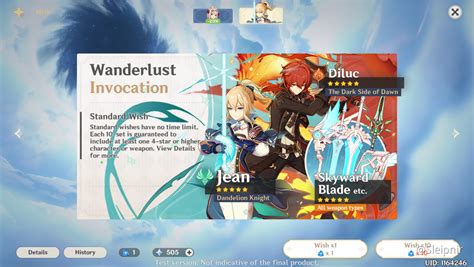
Free-to-Play (F2P) Gacha games have become a dominant force in the mobile gaming landscape, offering players seemingly endless content without an upfront cost. However, beneath the veneer of generosity lies a sophisticated monetization model designed to subtly, yet powerfully, encourage spending. Derived from the Japanese vending machine concept of gashapon, gacha mechanics involve players spending virtual currency (often purchased with real money) for a chance to receive random in-game items, characters, or resources. This gambling-like system is meticulously engineered to tap into deep-seated psychological principles, transforming casual players into significant spenders.
Understanding these psychological triggers is the first step towards reclaiming control. By dissecting the methods these games employ, players can develop counter-strategies to enjoy the games responsibly without falling prey to their persuasive tactics.
Psychological Traps: How Gacha Games Hook Players
1. Variable Ratio Reinforcement (The Slot Machine Effect)
One of the most potent psychological tricks is variable ratio reinforcement. Like slot machines, gacha games provide rewards on an unpredictable schedule. Players don’t know when the next big win will come, but the occasional satisfying pull of a rare item keeps them engaged and pulling more. This creates a powerful dopamine loop, making the act of pulling itself addictive, regardless of the outcome.
Counter: Recognize that this is a gambling mechanic. Set hard limits on your pulls and spending before you even start. Understand that every pull is a loss unless it’s a guaranteed win, and even then, its value is often inflated. Detach your self-worth or gaming enjoyment from the rarity of your in-game collection.
2. Scarcity and Fear of Missing Out (FOMO)
Gacha games constantly introduce limited-time banners, characters, or events. These temporary offerings create a sense of urgency and scarcity, triggering the Fear Of Missing Out (FOMO). Players feel compelled to pull now, fearing they might never get another chance at a highly desirable item. This pressure is amplified by countdown timers and community discussions about powerful or meta-defining units.
Counter: Practice acceptance. It’s impossible to get everything in a gacha game. Prioritize your real-life needs and responsibilities over fleeting in-game opportunities. Remember that new, equally desirable content will always come, and missing one banner won’t ruin your overall game experience.
3. Sunk Cost Fallacy
The more time and money a player invests in a gacha game, the harder it becomes to walk away. This is the sunk cost fallacy in action. Players rationalize continued spending by thinking, “I’ve already put so much into this, I can’t stop now,” or “If I just spend a little more, I’ll get what I need, and my previous investments won’t be wasted.”
Counter: Mentally separate past investments from future decisions. The money and time you’ve already spent are gone; they shouldn’t dictate future choices. Evaluate each spending decision based on its current value and your current budget, not on what you’ve already committed. If a game is no longer fun or is causing financial strain, cutting your losses is the smart move.

4. Virtual Currency and Price Anchoring
Gacha games almost always use a proprietary virtual currency (e.g., gems, crystals, primogems) that players buy with real money. This currency decouples the actual monetary value from the in-game purchase, making it harder for players to track their real-world spending. Furthermore, games often use price anchoring, offering large, expensive bundles that make smaller, still overpriced, bundles seem like a “good deal.”
Counter: Always convert virtual currency back to its real-world value. Before buying a pack of gems, ask yourself, “Is this worth $X?” Avoid bundles designed to trick you into overspending; focus only on what you truly need, if anything at all. Don’t save your credit card information in the game to add an extra step to purchases, giving you more time to reconsider.

5. Social Pressure and Competition
Many gacha games foster communities where players openly discuss their pulls, showcase rare characters, and compete on leaderboards. This can create social pressure to keep up with friends or guildmates, leading to increased spending to acquire meta units or display status symbols. The desire to be competitive or simply not feel left out is a strong motivator.
Counter: Play for yourself, not for others. Mute in-game chats or take a break from community forums if they fuel compulsive spending. Focus on enjoying the game at your own pace and with the characters you genuinely like, rather than chasing the meta or flexing for others.
Empowering Yourself: Strategies to Counter Gacha’s Influence
Set Strict Budgets and Limits
The most crucial step is to define and adhere to a strict budget for gacha games. This could be a monthly limit, a total lifetime limit, or even a decision to be entirely F2P. Many app stores and payment platforms allow you to set spending limits or self-exclude from purchases. Use these tools. Avoid saving credit card details for in-app purchases.
Educate Yourself on Probabilities
Always check the gacha rates (drop rates) for desired items. Understand that even a 1% chance is still 99% chance of not getting it on a single pull. Don’t fall for wishful thinking; recognize the true odds. Knowing the abysmal probabilities can often deter impulsive spending.
Focus on Enjoyment, Not Collection or Power
Shift your mindset from needing every new character or the most powerful team to genuinely enjoying the gameplay, story, or art. Many gacha games can be played and enjoyed without spending a dime, or with minimal spending on battle passes or guaranteed value packs. Find satisfaction in optimizing what you have, rather than constantly chasing what you don’t.
Take Breaks and Reflect
If you find yourself spending more than intended or feeling frustrated, take a break from the game. Even a few days away can help clear your head, break the habit loop, and allow you to reassess your relationship with the game. Use this time to reflect on your motivations for playing and spending.
Seek Alternatives or Support
If gacha games are significantly impacting your finances, time, or mental well-being, consider exploring other hobbies or single-purchase games that offer a complete experience without manipulative monetization. If you struggle to control your spending or playtime, don’t hesitate to seek support from friends, family, or professional addiction resources.
Conclusion
F2P Gacha games are masterfully designed to exploit human psychology to drive spending. From variable reinforcement and FOMO to sunk cost fallacies and virtual currency obfuscation, their tactics are numerous and potent. However, armed with awareness and proactive strategies, players can navigate these digital minefields responsibly. By setting clear budgets, understanding the odds, prioritizing enjoyment over collection, and knowing when to step back, you can reclaim control over your gaming experience and protect your wallet from the enticing, yet often costly, world of gacha.