



How to effectively filter for genuinely great indie hidden gems on digital storefronts?

In an age where thousands of games flood digital storefronts annually, finding those truly exceptional indie hidden gems can feel like searching for a needle in a haystack. While major releases often dominate the spotlight, a treasure trove of innovative, heartfelt, and unique experiences lies just beneath the surface. The key is knowing how to effectively cut through the noise.
Leveraging Storefront Features Effectively

Most digital platforms like Steam, GOG, or Epic Games Store offer robust filtering and tagging systems – yet many users only scratch the surface. Start by going beyond the “Popular New Releases.” Dive into specific genres you enjoy, then combine them with tags like “pixel graphics,” “story-rich,” “roguelike,” or “metroidvania.” Don’t shy away from less common tags; these often point to niche games with dedicated fanbases. Furthermore, pay attention to the “User Defined Tags” section, as this often reflects how the community truly perceives a game, rather than just the developer’s chosen labels.
Sort by user reviews, but with a critical eye. A game with a “Very Positive” rating from 50 reviews might be a more genuine gem than one with “Mostly Positive” from 5,000, as it indicates a strong, albeit smaller, core following. Look for recent reviews to gauge ongoing developer support and community sentiment.
Diving Deeper: Community & Curation

Beyond aggregate scores, individual user reviews are invaluable. Look for reviews that explain why they liked or disliked a game, rather than just giving a score. Identify reviewers with similar tastes to your own and check out their other recommendations. Many storefronts also feature “Curator” pages. These are individuals or groups who specialize in recommending games, often focusing on specific genres or indie titles. Following a few trusted curators whose tastes align with yours can be an extremely efficient way to discover new games you might otherwise miss.
Engage with community forums, both on the storefront and on platforms like Reddit (e.g., r/indiegames, r/patientgamers). These communities often discuss lesser-known titles, provide in-depth analysis, and share personal experiences that you won’t find in official descriptions. Developers also often interact directly with fans in these spaces, offering insights into their creative process and future plans.
Expanding Your Search with External Resources
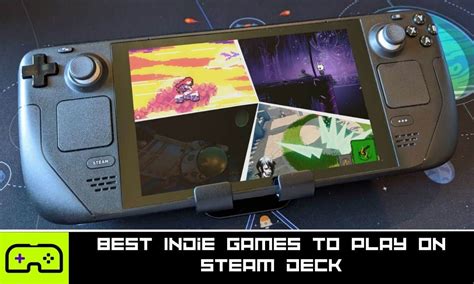
Don’t limit your search to the storefronts themselves. Numerous independent websites, YouTube channels, and podcasts are dedicated solely to covering indie games. Websites like Indie Game Website, Rock Paper Shotgun (which often covers indies extensively), or even smaller personal blogs can be goldmines. YouTube channels such as SplattercatGaming, ManlyBadassHero, or specific indie-focused channels often spotlight promising games before they hit mainstream radar. Podcasts like the ‘Indie Game Focus’ or ‘The Indie Game Report’ provide an audio format for discovery.
Keep an eye on game jams and indie game showcases (e.g., GDC Play, Wholesome Games Direct, Day of the Devs). Many hidden gems originate from these events, starting as prototypes or demos that eventually evolve into full releases. Following indie game news sites can keep you abreast of these developments.
The Power of Demos and Wishlists

Before committing to a purchase, always check if a demo is available. A demo is the ultimate filter, allowing you to experience a game’s core mechanics, art style, and overall feel firsthand. Even a short demo can tell you more than a dozen reviews. If a demo isn’t available, watch extended gameplay videos on YouTube, rather than just trailers, to get a better sense of the actual gameplay loop.
Utilize the wishlist feature extensively. When you find an interesting game that isn’t quite ready for purchase, or one that’s a bit pricey, add it to your wishlist. This not only keeps it on your radar but also notifies you of sales and updates. Many indie developers also monitor wishlist numbers as an indicator of interest, which can encourage them to continue development or port to other platforms.
Recognizing Red Flags and Green Lights

As you become more adept at filtering, you’ll start to identify patterns. Green Lights include unique art styles (even if simple), clear and concise descriptions of gameplay mechanics, active developer communication, frequent updates, and genuine community engagement. Look for games that clearly define their niche and excel within it. Red Flags might include generic asset flip visuals, vague or overly ambitious descriptions that promise too much, a lack of recent updates, or a complete absence of developer interaction. Be wary of games with overwhelmingly positive reviews but very few hours played by reviewers; these can sometimes indicate review manipulation.
Finding truly great indie hidden gems requires a blend of savvy filtering, community engagement, and a willingness to explore beyond the obvious. It’s a rewarding pursuit that not only broadens your gaming horizons but also supports the creative, independent developers who pour their passion into unique experiences. Happy hunting!