

What criteria help identify truly great, non-P2W mobile games?

In the vast ocean of mobile games, finding true gems that prioritize player enjoyment over aggressive monetization can feel like a daunting task. Many titles are designed with “pay-to-win” (P2W) mechanics, where progress and success are heavily skewed towards those willing to spend real money. However, there are genuinely great mobile games out there that respect your time and skill. The trick is knowing what to look for.
Fair and Ethical Monetization
The most defining characteristic of a non-P2W game is its approach to monetization. Truly great games understand that revenue should come from providing value, not exploiting player impulses. This means that while they might offer in-app purchases (IAPs), these purchases should never be essential for core progression or competitive parity.
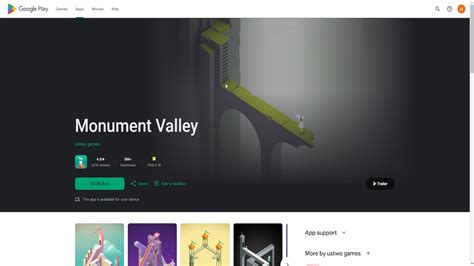
Instead, ethical monetization focuses on cosmetics (skins, emotes), optional conveniences (ad removal, extra inventory slots), or one-time premium purchases that unlock the full game experience without further pressure. If you can enjoy the entire game, reach the highest ranks, and achieve all milestones purely through skill and dedication, it’s a good sign.

Engaging Gameplay and Depth
Beyond fair monetization, a truly great mobile game needs solid gameplay. This means more than just simple tap-and-wait mechanics. Look for titles that offer strategic depth, require skill development, or present interesting puzzles and challenges. Whether it’s a deep RPG, a tactical strategy game, or a skill-based action title, the core loop should be inherently fun and rewarding.
Such games often feature well-designed systems, meaningful character progression (that isn’t bottlenecked by paywalls), and emergent gameplay opportunities. They encourage thoughtful play, experimentation, and mastery, rather than mindless grinding or repetitive tasks designed to make you impatient enough to spend money.
Respect for Player Time and Progression
A crucial indicator of a non-P2W game is how it values your time. Great mobile games allow players to progress at a reasonable pace through consistent play, without imposing excessive timers, energy systems that quickly deplete, or progress walls that virtually demand spending. While some games may have optional ways to speed things up, they should never make free progression feel like a punishment.
The best games ensure that every play session, big or small, feels productive and moves you forward. They offer generous rewards for effort, clear paths to achieving goals, and systems that scale well with both free and paying players, ensuring everyone can reach the endgame on their own terms.

High Quality User Experience (UX)
Polish and presentation matter. A truly great mobile game will boast an intuitive user interface, stable performance, appealing graphics (even if minimalist), and smooth controls. A game riddled with bugs, crashes, or clunky menus, regardless of its monetization model, detracts significantly from the experience. Developers who care about their players invest in these details.
This also extends to customer support and regular updates. A well-maintained game demonstrates a developer’s commitment to its player base, fixing issues promptly, and continually refining the experience. A polished UX suggests a development team focused on long-term quality rather than a quick cash grab.
Community and Developer Engagement
A healthy and active community, coupled with transparent and responsive developers, is a hallmark of a great game. Non-P2W games often foster environments where players can discuss strategies, share tips, and provide feedback directly to the creators. Developers who listen to their community, communicate roadmaps, and implement player-suggested features show a genuine dedication to their product and its audience.
This engagement creates a vibrant ecosystem where players feel heard and valued, contributing to the game’s longevity and positive reputation. Conversely, developers who ignore feedback or communicate poorly often indicate a lack of long-term vision or a disinterest in their player base beyond their wallets.

Replayability and Longevity
Finally, a truly great mobile game offers significant replayability and a long shelf-life. This can come from diverse game modes, a robust competitive scene, endless content generation, or simply a core gameplay loop that remains fun for hundreds of hours. It means the game doesn’t just offer an initial burst of enjoyment but provides sustained value over weeks, months, or even years.
Developers achieve this through consistent content updates, seasonal events, new challenges, and a commitment to evolving the game world. Such games prove that they are not just passing fads but carefully crafted experiences designed to entertain and challenge players for the long haul.
Identifying truly great, non-P2W mobile games requires a critical eye and an understanding of what constitutes fair game design. By focusing on ethical monetization, deep gameplay, respect for player time, a quality user experience, strong community engagement, and long-term replayability, you can navigate the mobile gaming landscape and discover titles that genuinely deserve your attention and loyalty. Happy gaming!