


Which microSD card size is optimal for a growing Nintendo Switch game library?
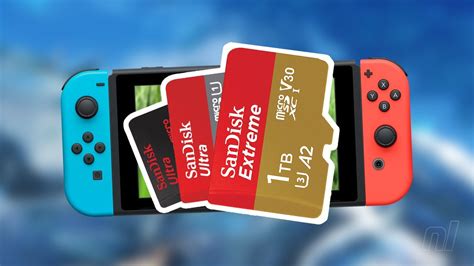
The Ever-Growing Digital Frontier: Why Storage Matters on Your Switch
The Nintendo Switch, an incredible hybrid console, offers the freedom to play your favorite games on the go or docked at home. While its portability is a major draw, one aspect many players quickly encounter is its limited internal storage. With only 32GB (or 64GB for the OLED model) built-in, a significant portion of which is reserved for the system, it doesn’t take long for digital game downloads, updates, and DLC to fill up that space. This is where a microSD card becomes not just an accessory, but an essential component for any serious Switch owner, especially those with an eye on expanding their game collection.
Understanding Your Game Sizes: It’s More Than Just the Download
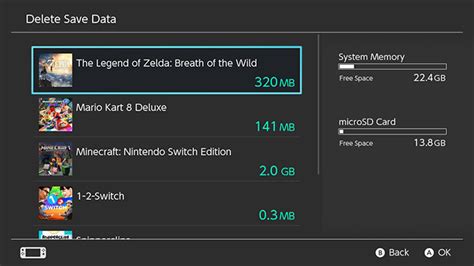
Unlike physical game cartridges, which largely store game data on the cart itself, digital downloads require space directly on your console or microSD card. Game sizes vary wildly. Indie titles might be a few hundred megabytes, while blockbuster first-party games like The Legend of Zelda: Tears of the Kingdom or Pokémon Scarlet and Violet can easily exceed 15GB or even 20GB. Factor in regular game updates, patches, and downloadable content (DLC) that can add several gigabytes per game, and that seemingly small 32GB internal storage quickly evaporates.
Even if you prefer physical game cartridges, many modern titles still require substantial data to be downloaded for updates, bug fixes, or even core game components not included on the cartridge. This data will still occupy your Switch’s internal memory or, ideally, your chosen microSD card.
Popular MicroSD Card Sizes and Their Sweet Spots
When you start browsing for microSD cards, you’ll encounter a range of capacities. Here’s a breakdown of what each typically offers for Switch users:
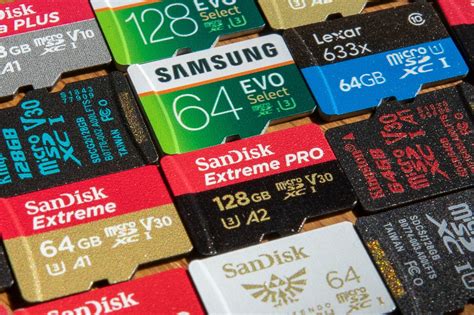
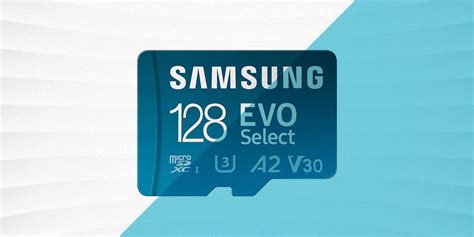
- 64GB/128GB: These are entry-level options. While affordable, they fill up very quickly with even a modest library of digital games, especially if you play AAA titles. Suitable only for very casual players who buy mostly physical games and download very few digital ones.
- 256GB: A decent starting point for many. It offers enough room for a good number of indie games or a handful of larger titles. It’s a good balance of cost and capacity for moderate digital game buyers.
- 400GB/512GB: This range is often considered the optimal “sweet spot” for most Switch owners. A 512GB card provides substantial breathing room for a growing library, accommodating numerous AAA titles, indies, and plenty of updates/DLC without constant worry about space. It strikes an excellent balance between capacity and cost-effectiveness.
- 1TB/1.5TB/2TB: For the hardcore digital collector, or those who truly want to future-proof their console, these larger capacities are available. They come at a higher price point but essentially eliminate storage concerns for years to come, allowing you to download virtually anything you desire without needing to archive games.
Key Factors to Consider Before Buying
To determine the best size for you, ask yourself these questions:
- Your Current Library & Play Style: How many digital games do you currently own? Do you tend to buy large, graphically intensive titles or smaller, indie experiences? Are you a “one-and-done” player, or do you keep many games installed to revisit?
- Future Game Purchases: How aggressively do you plan to expand your digital library? Will you be buying most new releases digitally, or mainly physical cartridges? Remember, even physical games often need update space.
- Budget: Larger capacity cards are more expensive. While prices have come down, there’s still a significant jump between a 512GB and a 1TB card.
- Download vs. Physical Preference: If you buy almost exclusively physical cartridges, you might get away with a smaller card, but remember updates and DLC still take up space. Digital-first players will definitely need more.
Our Recommendation for Optimal Storage
For the vast majority of Nintendo Switch owners looking to accommodate a growing game library, a 512GB microSD card represents the optimal balance of capacity, performance, and cost. It provides ample space for dozens of major titles, hundreds of indies, and all the updates and DLC you could wish for, offering significant peace of mind without breaking the bank.
If you’re a truly avid digital collector, planning to own hundreds of games or simply want to never think about storage again, investing in a 1TB microSD card is an excellent, albeit more expensive, long-term solution. It’s the ultimate future-proofing choice.
Ultimately, the “optimal” size depends on your personal gaming habits. But by carefully considering your current and future needs against the capacities available, you can make an informed decision that ensures your Nintendo Switch always has room for new adventures.