



How to find quality free-to-play (F2P) mobile games without pay-to-win mechanics?

The Allure and the Trap of F2P Mobile Gaming
Mobile gaming has revolutionized the way we play, offering instant entertainment at our fingertips. Free-to-play (F2P) games, in particular, have soared in popularity, promising endless fun without an upfront cost. However, this enticing model often hides a darker side: pay-to-win (P2W) mechanics. These systems subtly, or sometimes overtly, pressure players into spending real money to progress, gain a competitive edge, or simply bypass frustrating wait times, effectively ruining the ‘free’ experience.
Navigating the vast ocean of mobile games to find those genuinely free-to-play and enjoyable, without succumbing to P2W tactics, can feel like a daunting quest. But fear not, with the right knowledge and a few strategic approaches, you can unearth mobile gems that respect your time and wallet.
Understanding the Pay-to-Win Mechanic
Before you can avoid P2W, you need to recognize it. Pay-to-win refers to games where players can gain a significant, often insurmountable, advantage over non-paying players by spending real money. This might involve purchasing powerful items, characters, resources, or upgrades that are either impossible to obtain otherwise, or take an inordinate amount of time and effort for F2P players. The core issue is that skill and dedication become secondary to financial investment, leading to an unfair and unrewarding experience for those who choose not to pay.
Key Strategies to Uncover Truly Free-to-Play Experiences
1. Dive Deep into User Reviews and Ratings
The collective wisdom of the gaming community is your most powerful tool. Before downloading, meticulously check the app store reviews and overall rating. Look beyond the star rating; read recent reviews, especially those with 3-star ratings, as they often provide a balanced perspective. Pay close attention to keywords like “P2W,” “greedy,” “money-grab,” “paywall,” “grind,” or complaints about lack of content for F2P players. Conversely, positive reviews that praise balanced progression or cosmetic-only purchases are good signs.
2. Research Developer Reputation
Some developers have a history of fair monetization practices, while others are notorious for aggressive P2W schemes. A quick online search for the developer’s name alongside terms like “P2W” or “monetization” can reveal their track record. Developers who actively communicate with their community and prioritize player experience often have a better reputation for fair F2P models.
3. Analyze the Monetization Model
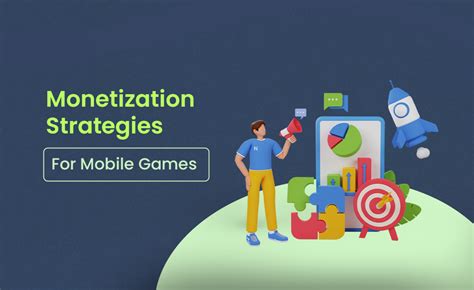
Even if a game has in-app purchases (IAPs), it doesn’t automatically make it P2W. The crucial distinction lies in what those IAPs offer. Games that primarily sell cosmetic items (skins, emotes, visual effects) or convenience features (ad removal, extra inventory space) that don’t affect gameplay balance are generally F2P-friendly. Be wary of games selling direct power-ups, unique characters, premium currency required for essential progression, or anything that speeds up timers excessively for a competitive advantage.
4. Watch Gameplay Videos and Streams
YouTube and Twitch are invaluable resources. Watching extended gameplay from independent reviewers or streamers can provide a genuine feel for the game’s mechanics and monetization. Pay attention to how often the player encounters paywalls, how difficult progression seems without spending, and whether premium items seem essential for success. Many content creators specifically highlight P2W aspects in their reviews.
5. Look for Specific Game Genres
Certain genres are inherently less prone to P2W. Puzzle games, single-player story-driven RPGs, many casual simulation games, and offline games often rely on one-time purchases for content packs or cosmetics rather than constant pressure to spend. Competitive multiplayer games, especially those in the MOBA or battle royale genre, can be more susceptible, but even here, some titles excel at cosmetic-only monetization.
6. Test the Waters Yourself (and be prepared to uninstall)
Ultimately, the best way to know if a game is truly F2P-friendly is to play it yourself. Install the game and dedicate a few hours over several days. Observe the early game experience: Are you immediately bombarded with IAP offers? Do you hit a progression wall quickly? Can you compete or progress effectively without spending? If you feel pressured or limited early on, it’s a strong indicator of P2W mechanics. Don’t hesitate to uninstall if it doesn’t meet your F2P expectations.

Conclusion: Empowering Your Mobile Gaming Choices
Finding quality F2P mobile games without pay-to-win mechanics requires a blend of research, critical thinking, and a willingness to walk away from predatory titles. By leveraging community insights, scrutinizing monetization models, and being an informed player, you can bypass the frustration of P2W and unlock a world of genuinely free and enjoyable mobile gaming experiences. Your time and entertainment are valuable; choose games that respect them.