




How to balance kids’ screen time with family life & school without major meltdowns?

In today’s hyper-connected world, managing children’s screen time has become one of the most pressing challenges for parents. The pervasive presence of screens—from tablets and smartphones to computers and TVs—offers both educational opportunities and potential pitfalls. Striking a harmonious balance between digital engagement, academic responsibilities, and meaningful family interactions without triggering those dreaded meltdowns is a delicate art. This article provides practical strategies to help parents navigate this complex terrain with greater ease and foster healthier digital habits.
Understanding the Digital Landscape and Its Impact
Before implementing rules, it’s crucial to understand why screen time is such a magnetic force for children and why limiting it can be met with resistance. Digital media is designed to be engaging, often providing instant gratification and interactive experiences that traditional activities might lack. For kids, screens can be portals to learning, entertainment, and social connection. However, excessive or unsupervised screen time can interfere with sleep, physical activity, academic performance, and social development. The goal isn’t necessarily to eliminate screens, but to integrate them thoughtfully into a well-rounded life.
Setting Clear Boundaries and Expectations
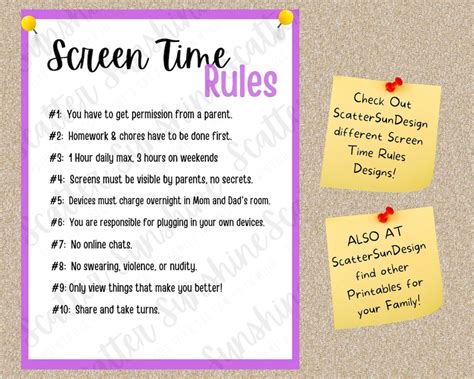
The foundation of effective screen time management lies in establishing clear, consistent, and age-appropriate boundaries. Involve your children in the conversation (when age-appropriate) to foster a sense of ownership over the rules. Define specific times for screen use, such as after homework is done, or during designated “free play” slots. Create “tech-free zones” in the home, like bedrooms and the dining table, to protect spaces for sleep, conversation, and other activities. Utilizing parental control settings on devices and routers can also be a valuable tool for enforcing limits.

Implementing a Screen Time Schedule
- Daily Limits: Decide on a reasonable daily or weekly screen time allowance.
- Time Blocks: Designate specific hours for screens (e.g., 4 PM – 5 PM).
- “First/Then” Rules: “First, finish your homework, then you can have screen time.”
- Screen Time Contracts: For older children, a written agreement can be effective.
Promoting Engaging Alternatives to Screens
Reducing screen time is only half the battle; the other half is filling the void with equally engaging and enriching activities. Encourage outdoor play, which is vital for physical health, creativity, and social skills. Introduce board games, puzzles, reading, drawing, building with blocks, or engaging in craft projects. Family activities such as cooking together, going for walks, or having dedicated “family game nights” can strengthen bonds and provide appealing alternatives. The key is to make these alternatives readily available and appealing.

Cultivating Hobbies and Interests
Help your children discover passions beyond the digital realm. Enroll them in sports, music lessons, art classes, or scout groups. These activities not only provide constructive ways to spend time but also build valuable skills, friendships, and a sense of accomplishment. When children have intrinsic motivations and interests, they are less likely to default to screens out of boredom.
Integrating Screen Time Purposefully and Mindfully
Not all screen time is created equal. Instead of viewing all digital engagement as negative, consider how it can be used constructively. Educational apps, documentaries, virtual museum tours, and creative coding platforms can be powerful learning tools. Encourage “co-viewing” or “co-playing,” where you engage with your child during their screen time. This allows you to monitor content, discuss what they’re seeing, and turn a passive activity into an interactive learning experience. Consider using screens for connecting with distant family members or collaborating on school projects.

Fostering Open Communication and Leading by Example
Open and honest communication is paramount. Talk to your children about why these rules are in place – focusing on their well-being, health, and development, rather than punishment. Listen to their perspectives and be open to negotiating within reason. Furthermore, parents must model healthy screen habits themselves. If you’re constantly glued to your phone, it’s difficult to expect your children to do otherwise. Designate family “unplugged” times and demonstrate how to engage with the real world.

Monitoring, Flexibility, and Damage Control
Be prepared to monitor screen use and enforce the rules consistently. While consistency is key, also be prepared to be flexible. There might be days when schedules change, or a special family movie night is in order. The occasional deviation is fine, as long as it doesn’t undermine the overall structure. When meltdowns do occur, acknowledge your child’s feelings, empathize, and gently reiterate the rules. Avoid giving in, as this reinforces the idea that tantrums are effective.
Conclusion
Balancing screen time with family life and school doesn’t have to be a constant battle. By setting clear boundaries, offering compelling alternatives, integrating purposeful digital engagement, fostering open communication, and leading by example, parents can guide their children towards a healthy and balanced relationship with technology. The ultimate goal is to raise digitally literate children who can enjoy the benefits of screens without letting them overshadow the richness of real-world experiences, learning, and family connection.