




How to avoid predatory mobile game monetization & find truly free-to-play options?
The mobile gaming landscape has exploded, offering countless titles at your fingertips. While the “free-to-play” (F2P) model has made gaming accessible to millions, it often comes with a hidden cost: aggressive and sometimes predatory monetization strategies designed to compel players into spending money. Understanding these tactics is the first step toward reclaiming your gaming experience and discovering truly F2P options that respect your wallet and time.
Understanding Predatory Monetization Tactics
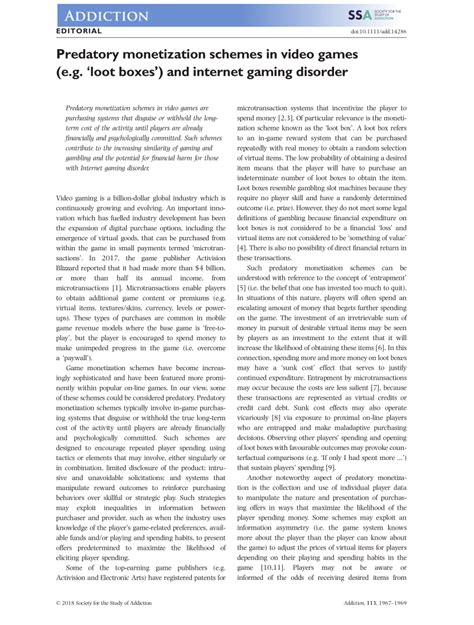
Many F2P games rely on in-app purchases (IAPs) for revenue. While IAPs aren’t inherently bad, some tactics cross the line from optional enhancements to manipulative necessities.
Pay-to-Win (P2W) Mechanics
- Definition: Players can gain a significant competitive advantage or progress much faster by spending real money. Those who don’t pay are at a severe disadvantage.
- Examples: Buying stronger gear, exclusive characters, or critical resources that are difficult or impossible to obtain freely.
Aggressive Gacha Systems & Loot Boxes
- Definition: These are essentially digital slot machines where players spend money to receive random in-game items, characters, or resources. Odds are often low for desirable items.
- Concerns: They often tap into gambling-like psychological triggers, leading to excessive spending.
Energy Systems & Time Gates
- Definition: Games limit how much you can play at once by using an “energy” or “stamina” system that replenishes slowly over time. Players can pay to instantly refill energy or skip wait times for building upgrades, crafting, or character training.
- Impact: Frustrates players into paying to continue playing or progress.
Scarcity, FOMO, and Dark Patterns
- Scarcity & FOMO (Fear Of Missing Out): Limited-time offers, battle passes, and exclusive events that create pressure to spend now or miss out on unique content.
- Dark Patterns: Deceptive user interface designs or psychological nudges that trick players into spending money, signing up for subscriptions, or watching ads. This can include misleading pop-ups, intentionally confusing price comparisons, or making free options harder to find.
How to Identify and Avoid These Traps
Being an informed player is your best defense against predatory monetization.
Research Before You Play (or Spend)
- Read Reviews: Check app store reviews, but also look for independent game reviews and forums (Reddit, gaming websites). Players are usually quick to call out P2W or aggressive IAPs.
- Check IAP Disclosure: Most app stores list the range of in-app purchase prices. A wide range (e.g., $0.99 to $99.99) doesn’t inherently mean it’s predatory, but it warrants closer inspection.
- Watch Gameplay Videos: See how the game plays without spending. Do players seem to hit paywalls quickly? Are powerful items only available through expensive purchases?
Understand Game Mechanics
Play for a short while without spending to get a feel for the progression. Can you progress at a reasonable pace without opening your wallet? If the difficulty suddenly spikes or progress grinds to a halt without spending, it’s a red flag.
Set Personal Spending Limits
Decide beforehand how much (if anything) you’re willing to spend on a mobile game. Treat any purchases as entertainment expenses, not necessities. If you find yourself spending more than intended, it’s time to re-evaluate.

Finding Truly Free-to-Play Options
Despite the prevalence of aggressive monetization, genuinely free-to-play games do exist. These games often respect your time and provide a complete experience without requiring financial investment for progression.
Look for Cosmetic-Only Monetization
The best F2P models sell purely aesthetic items like character skins, emotes, or visual effects. These allow players to customize their experience without impacting gameplay balance or progression.
Games Funded by Optional Premium Upgrades
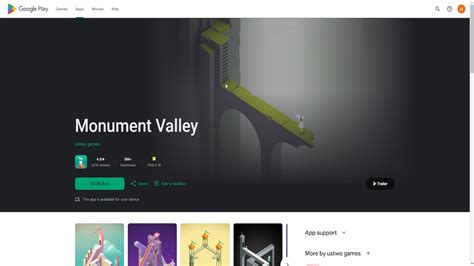
Some games offer a premium version that removes ads or unlocks convenience features, but the core game remains fully accessible and enjoyable without it. This is a fair trade-off: you can support the developers if you wish, but aren’t forced to.
Community Recommendations and Curated Lists
Seek out communities or websites that specifically recommend F2P games known for fair monetization. Often, these are games where skill and strategy, not wallet size, dictate success.
Consider Older or Niche Titles
Sometimes, older mobile games developed before the current hyper-aggressive monetization trends, or titles from smaller indie developers, offer more straightforward and fair F2P models, or are simply premium games with a free demo.
Examples of Fair Monetization Principles (General)
- Full Content Access: All core game content, levels, and story are available for free.
- Optional Cosmetics: Monetization is limited to purely cosmetic items that don’t affect gameplay.
- Ad-Supported (with Paid Removal Option): Ads are present but can be removed with a one-time purchase, offering a choice.
- Skill-Based Progression: Progress is primarily determined by player skill and time invested, not money.
![How To Improve Mobile Game Performance In 7 Steps [2025]](/images/aHR0cHM6Ly90czEubW0uYmluZy5uZXQvdGg/aWQ9T0lQLl9wYVpOWFdpQXVRMnRwZFlXakNuRndIYUVLJnBpZD0xNS4x.webp)
Conclusion: Empowering the Player
Navigating the mobile game market requires a discerning eye, but by understanding common predatory tactics and knowing what to look for, you can protect your wallet and enhance your gaming experience. Support developers who prioritize player enjoyment over aggressive revenue generation, and advocate for more ethical monetization practices. Your choices as a player have the power to shape the future of mobile gaming.