



How do you structure a game beginner guide to avoid overwhelming new players with info?
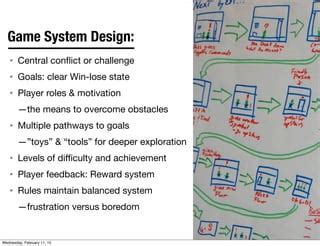
Diving into a new game can be exhilarating, but for many new players, it quickly turns into an overwhelming barrage of mechanics, lore, and objectives. The goal of a beginner guide isn’t just to inform, but to gently initiate, nurturing understanding without causing frustration. The key lies in strategic structuring, ensuring information is delivered in digestible, context-sensitive chunks.
The Core Philosophy: Gradual Immersion
Think of teaching someone to swim: you don’t throw them into the deep end and list all the stroke techniques. Instead, you start with floating, then kicking, then arm movements, gradually building confidence and skill. A game guide should adopt this “crawl, walk, run” approach. Introduce fundamental concepts first, let players practice them, and only then layer on more complex systems.
The aim is to empower players to experience the game’s core loop as quickly as possible, feeling competent rather than confused. This means prioritizing “need-to-know” over “nice-to-know” information, especially in the initial stages.
Break It Down: Modular and Prioritized Content
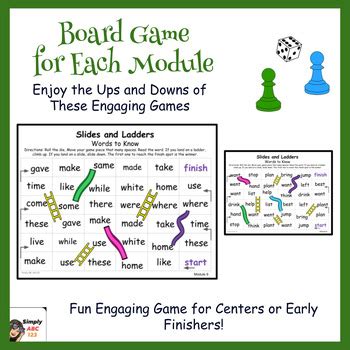
Avoid monolithic blocks of text that cover everything at once. Instead, segment your guide into small, focused modules. Each module should address a single concept or a tightly related set of concepts. For instance, instead of a chapter titled “Combat,” break it into “Basic Attacks,” “Defensive Maneuvers,” “Using Abilities,” and “Targeting.”
Prioritize information based on immediate utility. What does a player absolutely need to know to take their very first steps in the game? Usually, this involves movement, basic interaction with the environment, and perhaps a simple objective. More advanced mechanics, like crafting trees or complex skill rotations, should be introduced later, or placed in easily accessible reference sections.
The “Need-to-Know” Principle in Action
Deliver information contextually. If a game introduces a new mechanic after the first few missions, that’s when your guide should explain it – not in the introductory chapter. This mirrors good game design, where tutorials often appear as new elements are introduced. Use clear headers and concise paragraphs for each point. Bullet points and numbered lists are excellent for breaking down steps or key takeaways.
Furthermore, consider a “progressive unlocking” of guide sections. While a full table of contents is helpful, you might highlight or suggest “Next Steps” within each section, guiding the player through a recommended learning path.
Leverage Visuals and Clear Language
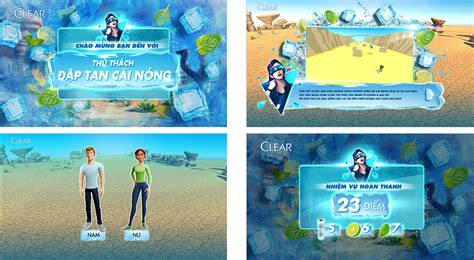
A picture is worth a thousand words, especially in game guides. Screenshots, diagrams, and short animated GIFs (if the platform allows) can clarify complex interfaces, map locations, or intricate button sequences far better than text alone. Ensure your visuals are well-labeled and directly support the accompanying text.
Language should be straightforward and avoid jargon where possible. If game-specific terminology must be used, define it clearly the first time it appears. Imagine you are explaining the game to someone who has never played a video game before. Simplicity and clarity are paramount.
Actionable Steps and Practice
A guide shouldn’t just be an encyclopedia; it should be a training manual. Incorporate “Try This Now” sections or mini-challenges that encourage players to immediately apply what they’ve learned in the game. For example, after explaining movement, suggest they try navigating a simple obstacle course within the game world.
Provide practical examples. Instead of just stating “use cover,” show a screenshot of a player character behind cover in a specific game scenario and explain the benefits. This bridges the gap between theoretical knowledge and practical application.
Navigation and Accessibility are Key
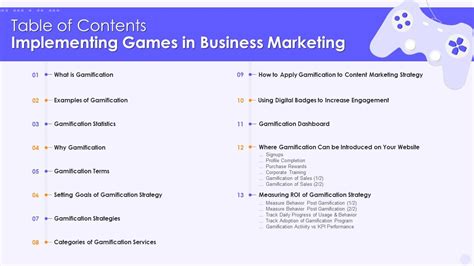
Even with a well-structured guide, players will inevitably want to revisit specific pieces of information. A robust Table of Contents, ideally with anchor links, is crucial. Implement a search function if your guide is hosted online. Categorize sections logically, making it easy for players to jump directly to “Crafting,” “Quest Log,” or “Character Builds” without wading through irrelevant content.
Consider a glossary for game-specific terms and a FAQ section for common problems or questions. This empowers players to find answers quickly, reducing frustration and keeping them engaged with the game.
Common Pitfalls to Sidestep
To truly avoid overwhelming new players, be mindful of these common mistakes:
- Information Dump: Unloading every single detail upfront.
- Assuming Prior Knowledge: Using acronyms or advanced concepts without explanation.
- Lack of Visuals: Relying solely on text for complex ideas.
- Disorganized Flow: Jumping between topics without clear transitions.
- Overly Long Sections: Paragraphs that go on for pages without breaks.
By consciously avoiding these traps and embracing a player-centric, progressive approach, your game beginner guide can transform a potentially intimidating experience into an enjoyable journey of discovery and mastery. A well-structured guide doesn’t just teach; it empowers, encouraging new players to delve deeper and truly appreciate the game you’re helping them explore.