



How do we balance detail & brevity in game how-tos for new players?

Navigating the New Player Experience: The Art of Concise Clarity
Creating effective how-to guides for new players in video games is a delicate dance. On one hand, newcomers need clear, comprehensive explanations to grasp mechanics, controls, and objectives. On the other, overwhelming them with too much information too quickly can lead to frustration, disengagement, and ultimately, them dropping the game. The core challenge lies in finding the sweet spot between providing sufficient detail for understanding and maintaining brevity to keep them engaged and learning.
The Double-Edged Sword: Detail vs. Brevity
The Imperative for Detail
New players are essentially tourists in an unfamiliar world. They lack context, vocabulary, and muscle memory. Detailed guides are crucial for:
- Foundation Building: Explaining core mechanics (e.g., movement, combat, inventory) thoroughly ensures they build a solid understanding.
- Preventing Frustration: Ambiguity can quickly lead to players getting stuck or making repeated mistakes, which sours the initial experience.
- Complex Systems: Games with intricate crafting, skill trees, or strategic layers demand careful, step-by-step explanations.
- Accessibility: Some players benefit more from verbose instructions, especially if they struggle with visual cues or learn at a slower pace.
The Power of Brevity
While detail is necessary, an excessive amount can be detrimental. Brevity is vital for:
- Maintaining Engagement: Long, dense text blocks are intimidating. Concise information is easier to digest and less likely to cause players to skip sections.
- Cognitive Load: Too much new information at once overloads the brain. Short, punchy instructions reduce cognitive load, making learning more efficient.
- Immediate Application: Players often want to learn just enough to perform the next action. Brief guides allow them to quickly get back into the game and apply what they’ve learned.
- Respecting Player Time: Modern gamers often have limited time. Efficient learning paths are highly valued.
Strategies for Achieving the Balance
So, how do we master this equilibrium? It’s not about choosing one over the other, but rather employing smart strategies to integrate both.
1. Layered Information & Progressive Disclosure
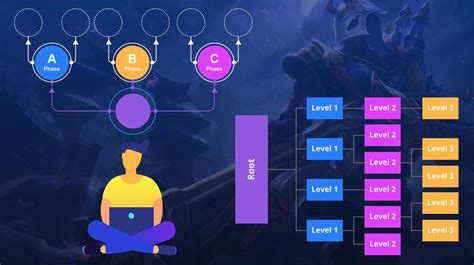
Introduce concepts incrementally. Start with the absolute basics, then layer on more advanced details as the player progresses or demonstrates mastery. Think of it as a tutorial that unlocks more information as needed, rather than dumping everything upfront. Provide a “quick start” guide, with optional links or deeper dives for those who want more.
2. Prioritize & Condense
Identify the absolute essential information a player needs to succeed immediately. Cut jargon and unnecessary fluff. Use active voice and direct instructions. If a concept can be explained in five words, don’t use twenty.
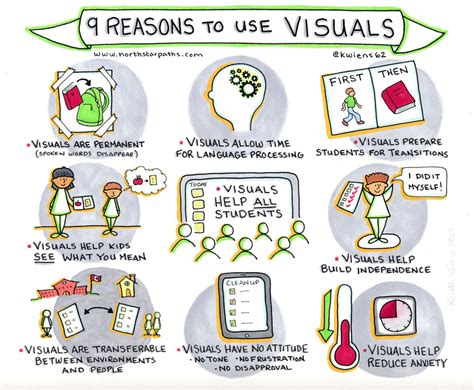
3. Leverage Visual Aids & Interactive Elements
A picture, diagram, or short video clip is often worth a thousand words. Show, don’t just tell. Use screenshots, GIFs, annotated images, and clear UI highlights. Interactive tutorials where players perform actions rather than just read about them are incredibly effective for muscle memory and understanding.
- Screenshots with Callouts: Point directly to the relevant UI element.
- Short Video Clips: Demonstrate complex actions or sequences.
- Animated GIFs: Show continuous loops of actions (e.g., a specific combat combo).
4. Clear Structure and Navigation
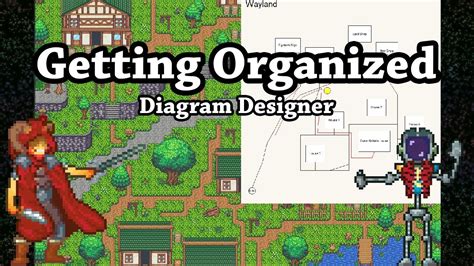
Well-organized guides with clear headings, subheadings, bullet points, and an accessible table of contents allow players to quickly find the information they need without sifting through unrelated text. This empowers them to seek detail when they want it, and ignore it when they don’t.

5. Contextual Learning & In-Game Prompts
Deliver information precisely when the player needs it. Instead of a long introductory manual, use in-game tooltips, pop-ups, or quest logs that explain mechanics just as they become relevant. This makes learning feel organic and less like a chore.
6. User Testing and Iteration
The only way to truly know if your balance is right is to observe new players interacting with your guides. Pay attention to where they get stuck, where they skip text, and what questions they ask. Use this feedback to refine and iterate your content, trimming where it’s too verbose and expanding where it’s too vague.

Conclusion: Guiding, Not Dictating
Ultimately, the goal of a game how-to for new players isn’t to dictate every single step, but to guide them effectively towards self-sufficiency and enjoyment. By thoughtfully balancing detail and brevity through strategic layering, visual communication, clear structure, and continuous iteration, we can create guides that empower new players to confidently dive into new gaming experiences, fostering both understanding and lasting engagement.