



How to spot truly F2P mobile games vs. aggressive monetization traps?

Mobile gaming offers a vast universe of entertainment, much of it advertised as “free-to-play” (F2P). However, this label often hides sophisticated monetization strategies that can quickly turn a fun experience into a frustrating, wallet-draining trap. Understanding the difference between a genuinely F2P game and one designed to aggressively push microtransactions is crucial for any player looking to enjoy their games without constant pressure to spend.
The F2P Promise vs. Reality
At its core, the free-to-play model promises access to an entire game without an upfront cost. In its purest form, this means you can experience the core gameplay loop, story, and competitive elements without ever opening your wallet. Developers generate revenue through optional purchases, which might include cosmetic items, convenience features, or expansions that don’t directly impact core progression or competitive balance.
The reality, however, is often more complex. Many games use the F2P label as a gateway, only to then employ aggressive tactics that make genuine progress agonizingly slow or impossible without spending money. This creates a “pay-to-progress” or “pay-to-win” environment that undermines the spirit of free gaming.

Defining a Truly Free-to-Play Experience
A truly F2P game allows players to enjoy the full scope of the game through skill and time, not just money. Here are some hallmarks:
- Cosmetic-Only Purchases: The majority, if not all, in-app purchases (IAPs) are for purely aesthetic items like character skins, emotes, or visual effects. These purchases enhance personalization but offer no gameplay advantage.
- Optional Convenience: IAPs might offer minor time-savers, such as speeding up crafting or resource generation, but these are never essential for progression and can be easily overcome by playing more.
- Fair Progression: The game’s progression system is designed so that non-paying players can reach the endgame or competitive tiers at a reasonable pace, without hitting artificial roadblocks that demand payment.
- Respectful Monetization: The game doesn’t constantly bombard you with pop-ups, limited-time offers, or deceptive sales tactics. Purchases feel like an optional addition, not a mandatory requirement.

Warning Signs of Aggressive Monetization Traps
Recognizing these red flags can save you frustration and money:
Pay-to-Win (P2W) Mechanics
This is the most egregious trap. P2W games offer direct gameplay advantages for money, such as powerful characters, stronger gear, exclusive abilities, or resources that significantly outperform anything earnable through gameplay alone. If a player who spends money can consistently beat a equally skilled player who doesn’t, it’s P2W.
Energy Systems and Timers
Many games limit how much you can play by implementing energy systems that deplete with each action and recharge over time, or by placing long timers on upgrades, builds, or item collection. While some light use of these can be acceptable, aggressive timers that can only be skipped with premium currency are a strong indicator of a monetization trap designed to force spending.
Loot Boxes and Gacha
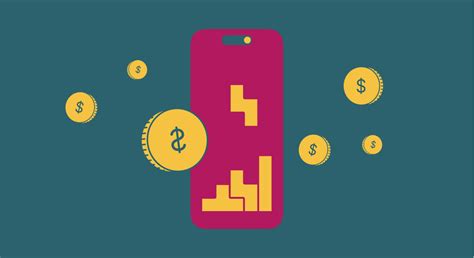
Randomized reward systems where you pay real money for a chance to win desired items are highly predatory. If essential characters, gear, or progression materials are locked behind low-probability gacha pulls, the game is designed to exploit addictive tendencies and encourage endless spending.
Aggressive Ads and Pop-ups
While some F2P games include ads, constant, intrusive video ads that interrupt gameplay, or pop-ups aggressively pushing IAPs, indicate a game prioritizing revenue over player experience. If you’re frequently offered “limited time deals” or “starter packs” that disappear quickly, it’s a tactic to create urgency and impulse buys.
Another common tactic is artificial difficulty spikes. Games might start easy, then suddenly introduce levels or challenges that are extremely difficult without specific premium items or significant grinding, subtly pushing players towards the cash shop.
Smart Player Strategies: Research Before You Dive In
Before investing your time (or money) into a new mobile game, do your homework:
- Read App Store Reviews: Pay attention to reviews mentioning “P2W,” “greedy,” “ad spam,” or “can’t progress without spending.” Look for recent reviews, as monetization strategies can change over time.
- Watch Gameplay Videos: Search for actual gameplay on platforms like YouTube. This can reveal how frequently ads appear, the progression pace, and whether premium items seem necessary for success.
- Check Developer Reputation: Research the developer’s other games. Do they have a history of fair F2P models or are they known for aggressive monetization?
- Initial Impression: Play the game for a few hours. How quickly do you feel pressured to spend? Is progress enjoyable, or does it feel like a chore designed to break your resolve?

Conclusion: Empowering Your Gaming Choices
Navigating the mobile F2P landscape requires a discerning eye. By understanding the common pitfalls of aggressive monetization and taking a few moments to research, you can empower yourself to choose games that respect your time and money. Seek out genuinely F2P experiences that offer deep engagement without manipulative tactics, ensuring that your mobile gaming remains a source of enjoyment, not financial pressure.