

How to create quick-start game guides for absolute beginners without overwhelming them?
Game developers and enthusiasts often face the challenge of introducing complex game mechanics to absolute beginners without overwhelming them. A well-crafted quick-start guide can be the bridge between confusion and engagement, transforming a potential quitter into a long-term player. The key lies in simplicity, focus, and a clear understanding of a beginner’s perspective.
Understanding Your Audience: The Absolute Beginner
Before writing a single word, step into the shoes of someone who knows absolutely nothing about your game, or even the genre. What are their core questions? How do they move? How do they interact? What’s the immediate goal? Your guide should answer these fundamental questions first, ignoring advanced tactics or lore initially.
Think about the common pitfalls: too much jargon, too many options, or an expectation of prior knowledge. A truly beginner-friendly guide anticipates these hurdles and smooths the path.
The Art of Condensing Information
The primary goal of a quick-start guide is to get players playing quickly. This means ruthlessly cutting anything that isn’t essential for the first 15-30 minutes of gameplay. Focus on the absolute minimum required to achieve the very first objective or understand the core loop.
Prioritize “Need-to-Know” over “Nice-to-Know”: Distinguish between information that is critical for basic functionality (e.g., “Press W to move forward”) and information that can wait (e.g., “Optimal gear setups for end-game raiding”). If a concept can be introduced later without hindering the beginner’s progress, defer it.
Use Simple, Direct Language: Avoid developer jargon, acronyms, or game-specific terms without immediate explanation. If a term is necessary, define it clearly and concisely the first time it appears. Imagine explaining it to a child.

Structuring Your Quick-Start Guide
A logical flow is paramount. Start with the absolute basics and progressively introduce complexity. Here’s a suggested structure:
- Installation & First Launch (if applicable): Briefly cover any setup steps.
- Character Creation/Initial Choices: Guide them through their very first decisions.
- Basic Movement & Camera Controls: The most fundamental interaction.
- Core Interaction (Attack, Use, Pick Up): How do they affect the game world?
- First Objective/Quest: Give them an immediate, achievable goal.
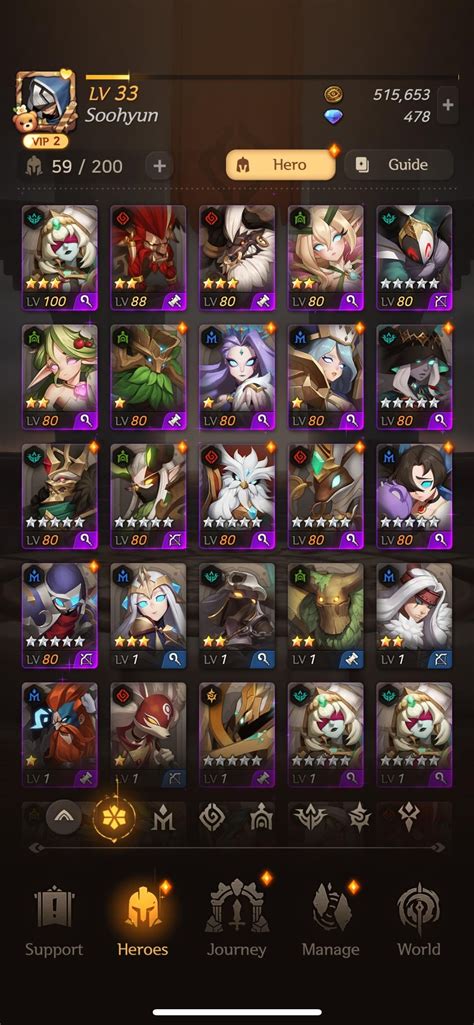
- Basic UI Explanation: What are the crucial elements on screen (health bar, mini-map)?
- “What Next?” / Encouragement: Point them towards the next logical step or encourage exploration.
Each point should be a brief paragraph or a bulleted list item, often accompanied by a visual (even if just a screenshot of the relevant UI element).
Leveraging Visuals and Examples
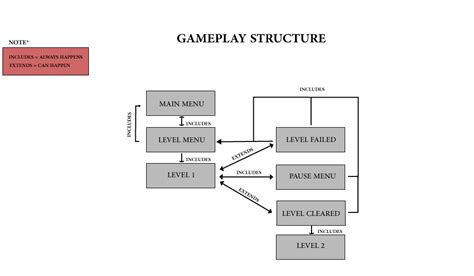
While this article is text-based, remember that your guide benefits immensely from visuals. Screenshots with highlighted areas, short GIFs, or even simple diagrams can convey information far more effectively than text alone. When describing a mechanic, use relatable examples or analogies.
For instance, instead of just saying “Agility increases dodge chance,” you could say “Agility helps your character move faster and avoid enemy attacks, like a nimble boxer.” Visuals reinforce instructions and make them less daunting.

Testing and Iteration
Once you have a draft, have absolute beginners (who have never played your game or even similar genres) test it. Observe where they get stuck, what questions they ask, and what they skip. Their feedback is invaluable for identifying areas where your guide is still too complex or unclear. Don’t be afraid to cut, simplify, or rephrase based on their struggles. A truly effective quick-start guide is a living document that improves with feedback.

Conclusion
Creating quick-start game guides for absolute beginners is less about what you include and more about what you strategically omit. By focusing on essential information, using clear and concise language, structuring your guide logically, and leveraging visuals, you can empower new players to confidently take their first steps into your game world. Remember, a positive initial experience is the foundation for lasting engagement.